The ideas below run from a stack of personalized napkins to a live painter who costs about as much as a photographer and needs booking well ahead.
Your venue’s smoking policy, your crowd’s willingness to dance, and whether you have 3 sessions to rehearse groomsmen in secret are what filter the list down to yours.
[link-whisper-related-posts]1. Signature Cocktails
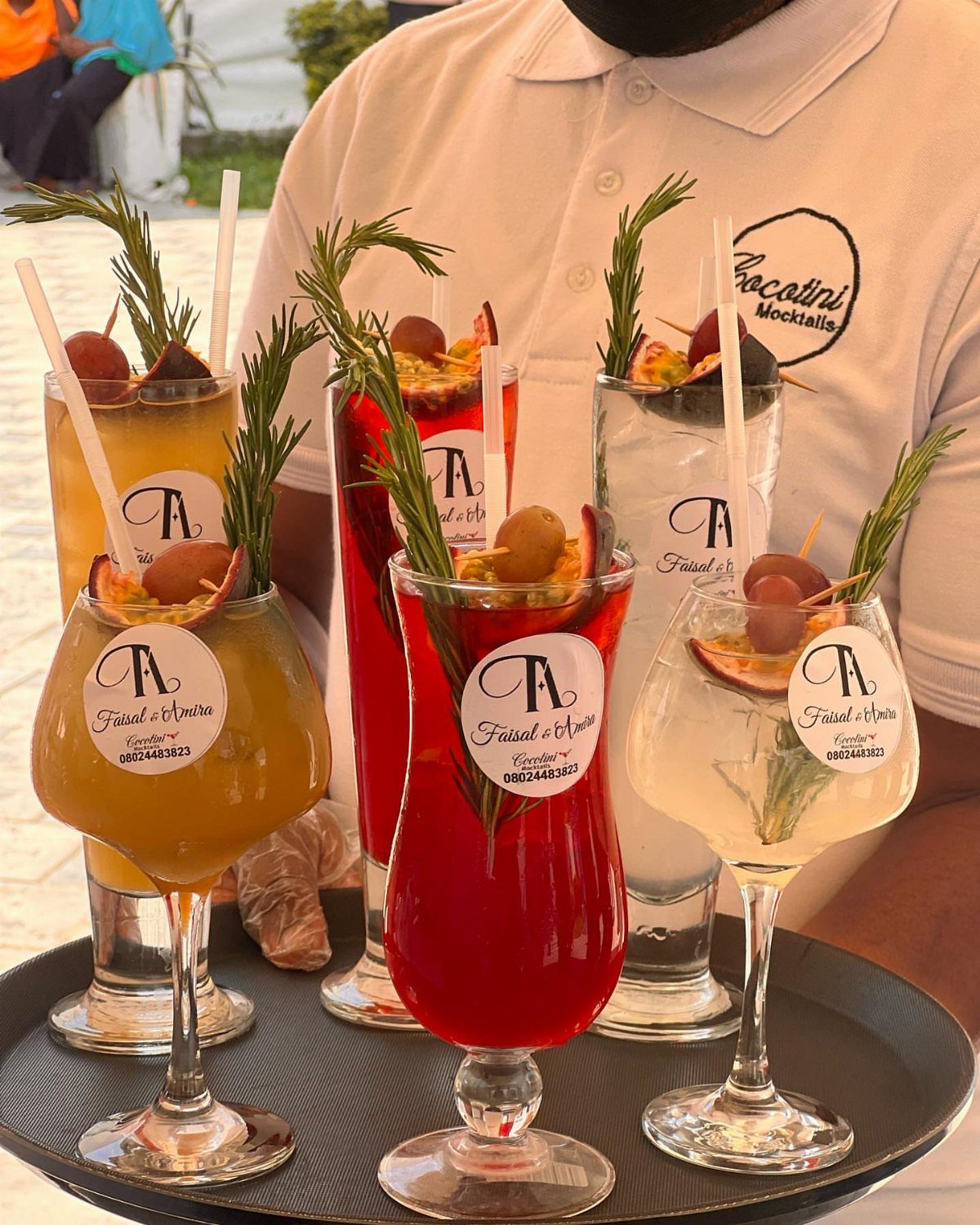
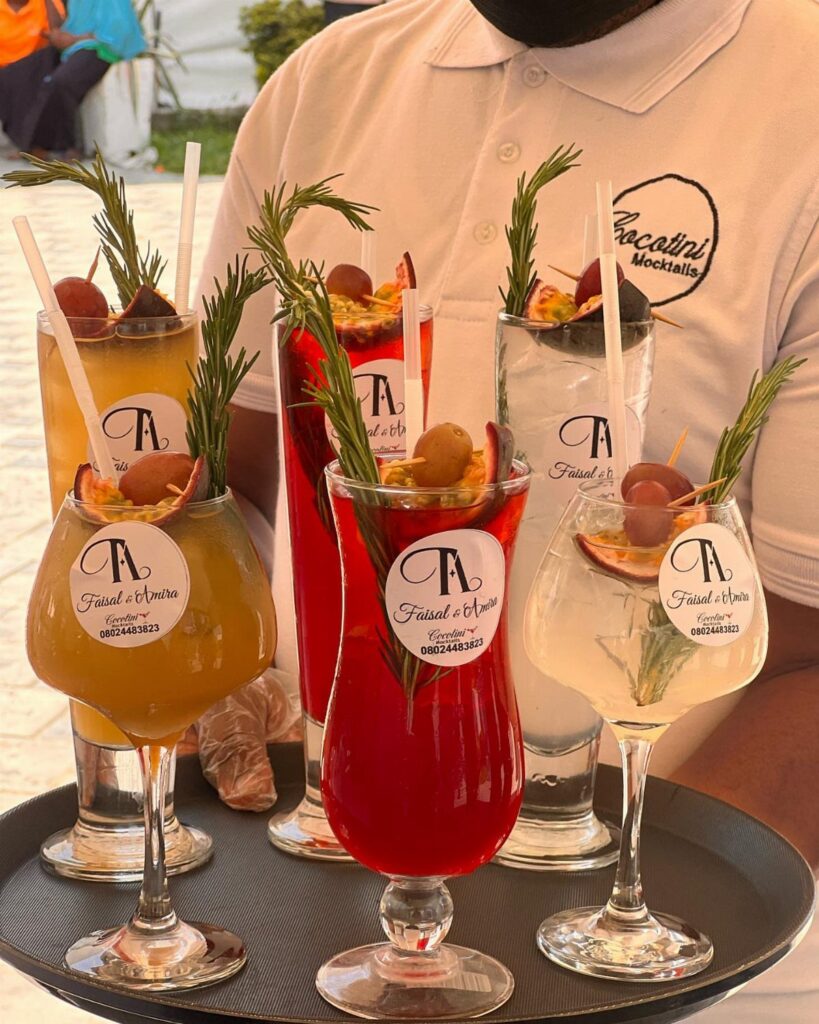
A server circulates with cocktails wearing a shirt that reads "Cocotini Mocktails," each drink tagged with the couple’s names.
That sticker is the small move that makes this feel done: one named drink, one named non-alcoholic option, both with a story attached.
I would build each around something real: the bar where you met, a trip you took, an inside joke that still works.
The name should get a laugh when the bartender calls it out. A mocktail with the same care as the cocktail matters more than couples think; guests who do not drink still want to raise a glass during the toast.
This works best when the drinks are pre-batched in pitchers so service keeps moving. Budget for a bartender who can explain the names, not just pour.
2. Taco Building Station
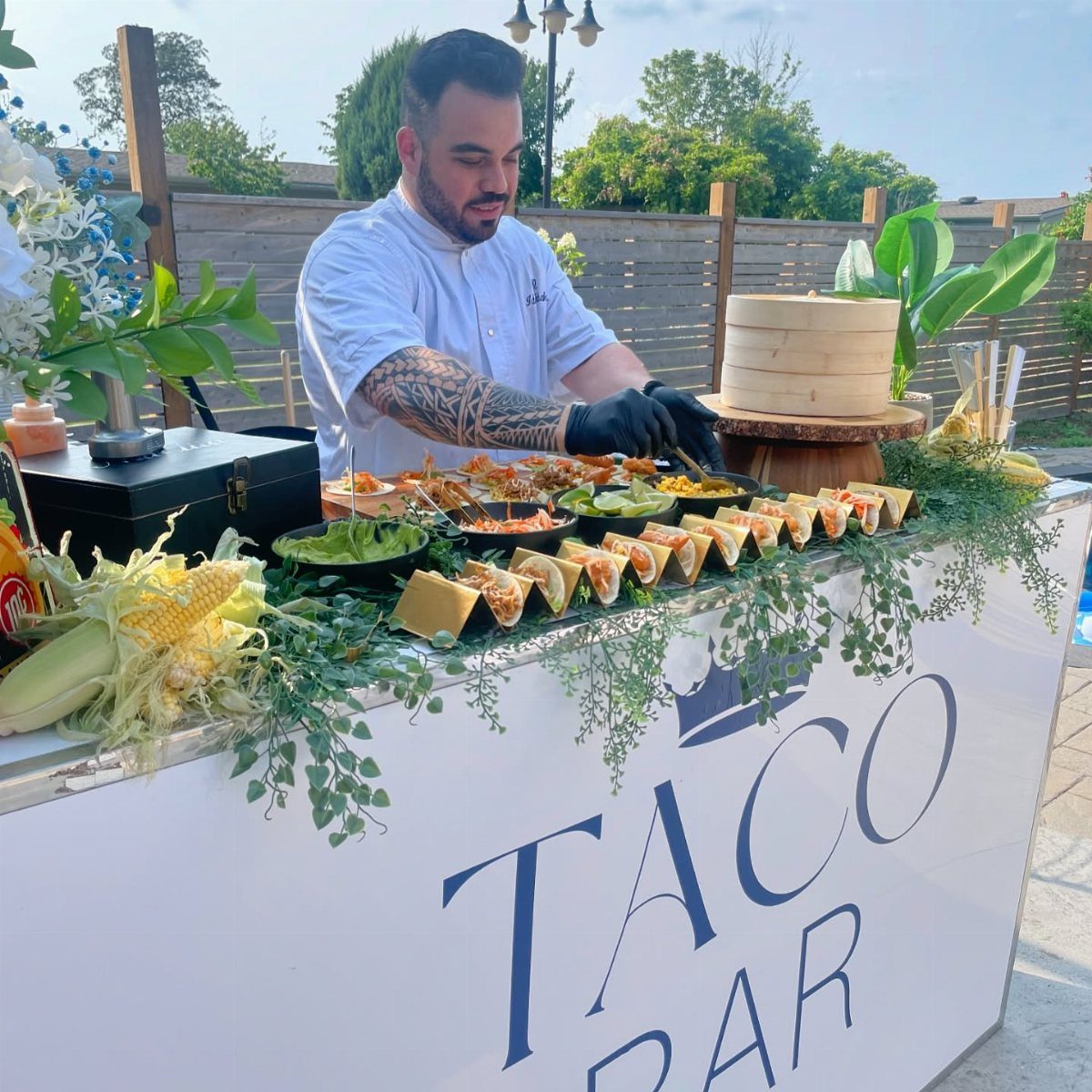
A taco bar works best when the station itself is the visual draw; skip the tablecloth and let the ingredients and signage carry the look.
A chef builds each plate to order, which means the line moves only as fast as one person working through requests for extra cilantro or no sour cream.
I would set out 2 identical stations for a larger guest count, and label the heat levels large enough to read from a short distance back.
Corn tortillas go stiff fast; a warmer or a fresh stack brought out regularly saves complaints.
This trades the seated dinner’s formality for movement and choice. It suits a couple who would rather guests mingle than stay put.
3. Photo Booth
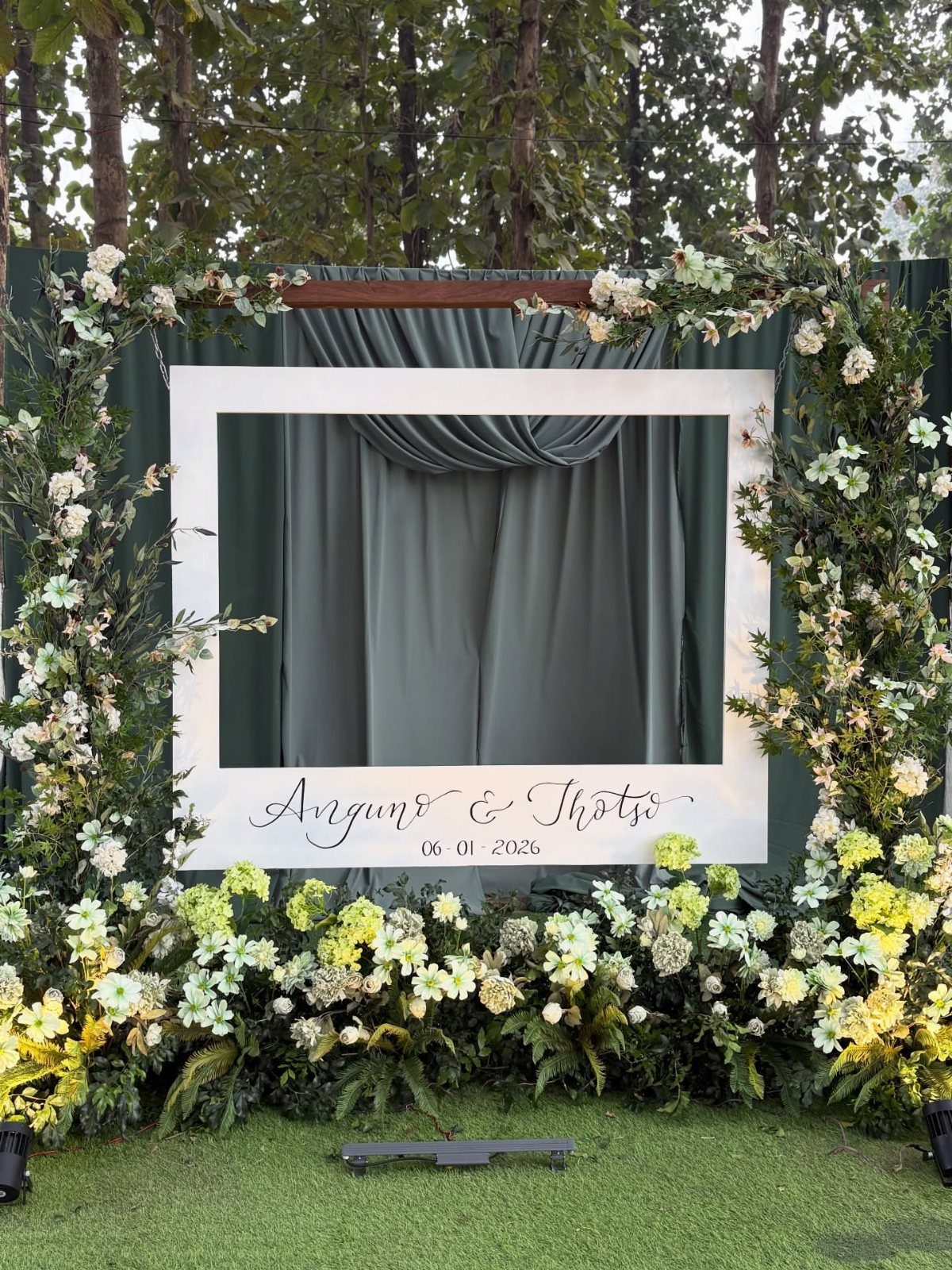
A green curtain, floral arrangements, and an oversized Polaroid frame with names and a date: this booth is built for the photo, not hidden inside a machine. Guests hold the frame up, step in, and become the composition.
Props matter more than the backdrop. I would gather hats that actually fit, sunglasses that do not pinch, and one sign with a current joke that will date badly and be funnier for it.
Instant cameras on a table work if you trust guests not to walk off with them; a rental booth with a attendant costs more but prints come out even and nobody loses the last camera.
The strip guests take home outlasts most favors. I have seen them stuck on refrigerators years later, still holding up.
4. Live Wedding Painter
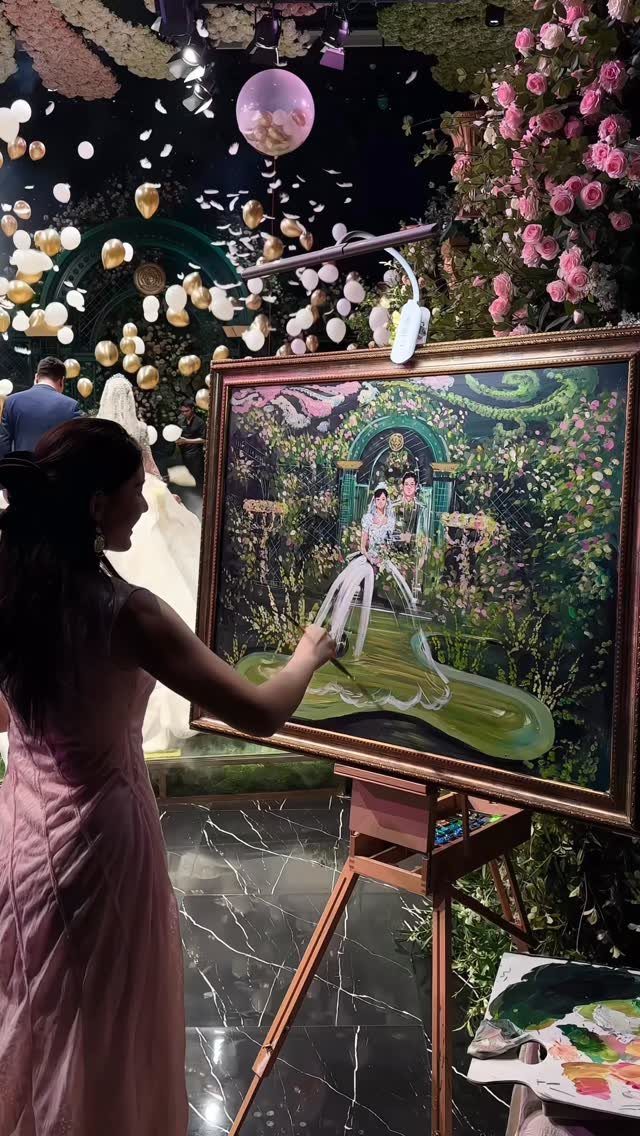
A live painter turns the act of painting into part of the evening’s atmosphere; guests drift over to watch, and the finished piece becomes a keepsake that no guest could duplicate.
Guests watch the canvas fill in, which is half the point: the making is the entertainment.
I would ask to see speed samples before booking.
Ask how long the painter needs to finish; someone who works too slowly leaves you with a half-finished portrait when the lights come up, while someone who works too fast risks a result that looks it.
Styles range from loose impressionist to tight realism, and the choice should match your walls at home, not just the mood of the night.
The finished piece hangs where a photograph would not. That is the cost you are really paying for.
5. Audio Guestbook
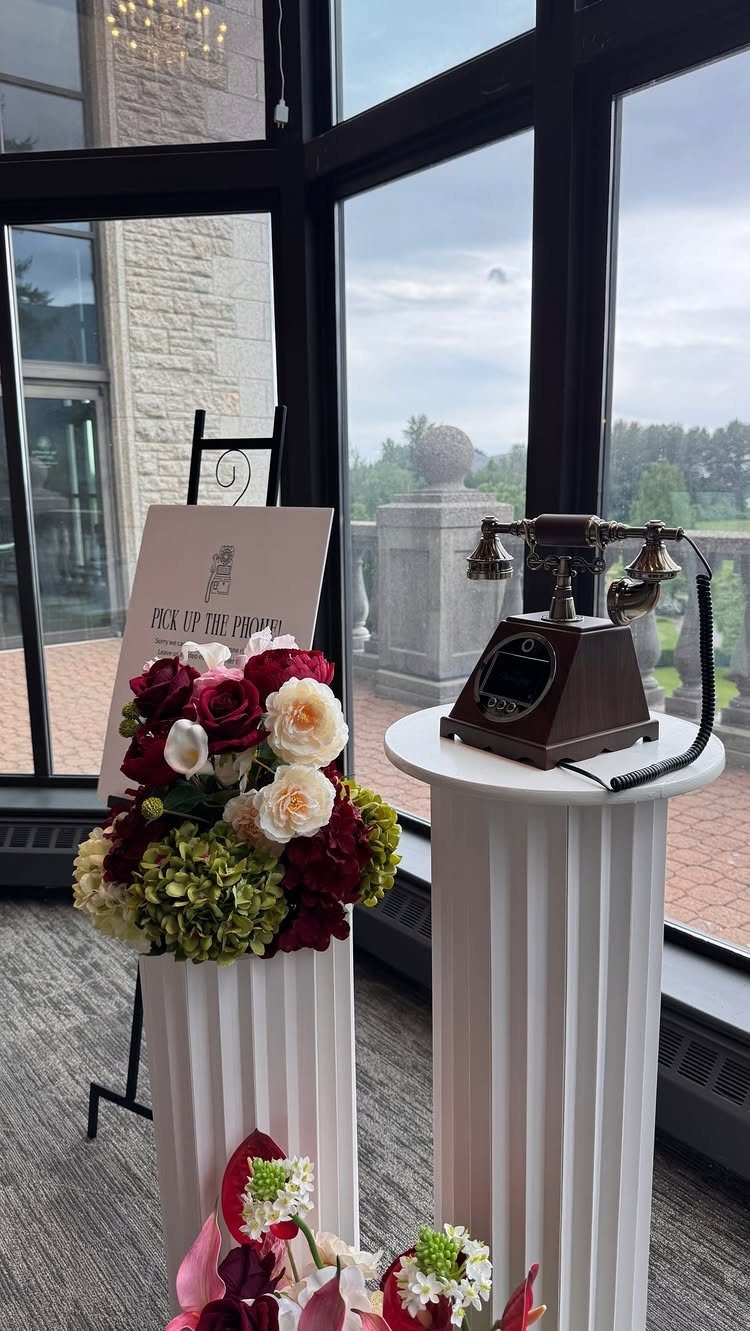
A vintage rotary phone on a white pedestal, a small sign reading "PICK UP THE PHONE!": the object itself does the inviting. Guests lift the handset, hear a beep, and speak.
I would keep prompts loose. A printed card nearby suggesting "Tell us your best wish, or your worst joke, or the moment you knew one of us was in trouble" gets better material than "Leave a message for the couple."
The recording lives as audio files, not tape, so back up everything before the rental company wipes the machine.
This suits couples who will actually listen later. A voice ages differently than handwriting; in 10 years it will be the sound of people you may not have anymore.
6. Dueling Pianos
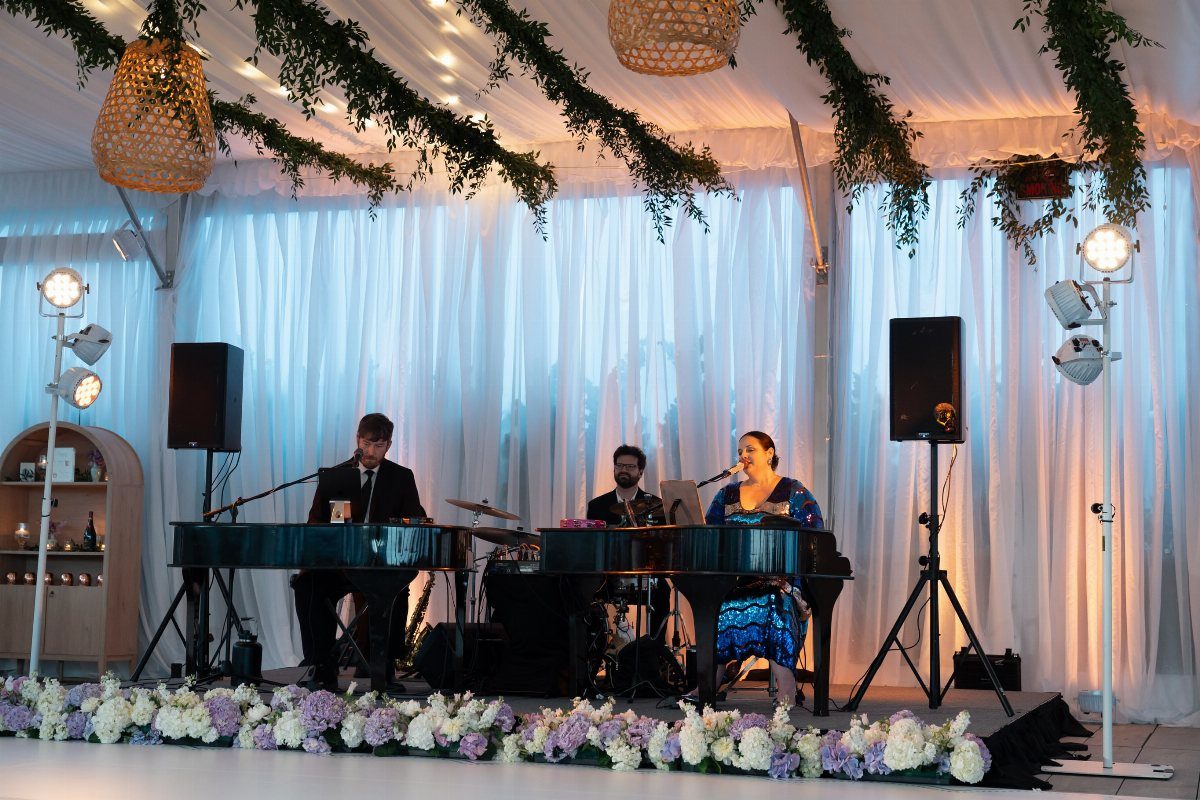
Guests request songs, which means the pianists need a combined repertoire deep enough to handle your uncle’s Sinatra phase and your college roommate’s hip-hop phase in the same hour.
I would confirm they take requests live, not from a pre-approved list, and that they can handle a slow dinner set before the sing-alongs start.
This is louder than a string quartet and more participatory than a DJ.
It trades some conversation for energy, which is the right trade if your crowd sings along and the wrong one if they came to catch up over the seating chart.
7. Dollar Dance
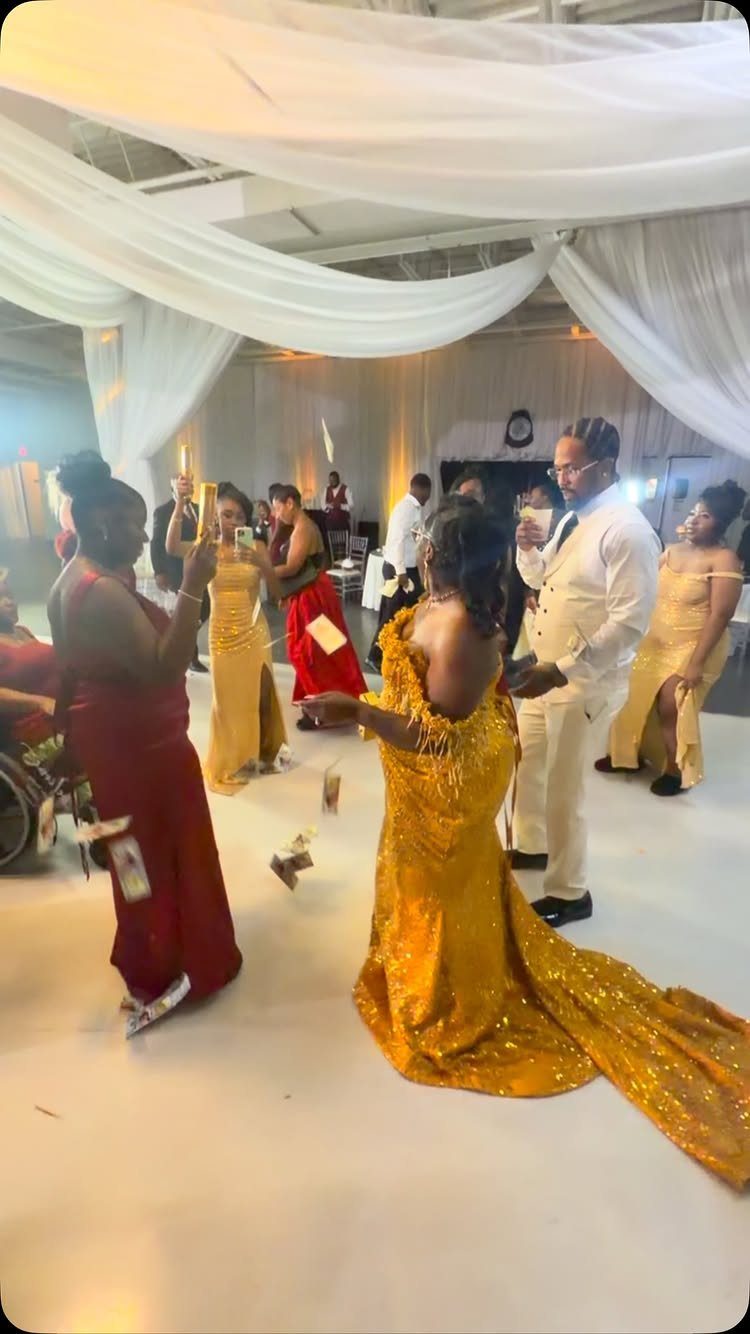
The dollar dance puts guests in motion with you, not around you.
They pay a dollar for a brief dance, a Polish and Greek tradition that has spread to any couple who wants a few minutes of face time with people they might otherwise miss in the crowd.
I would station someone trusted to collect the cash and keep the line moving; even a short turn per guest adds up fast once the line forms.
The money traditionally funds the honeymoon, though some couples donate it. This works best when your crowd already knows the custom; explaining it from scratch kills the momentum.
8. Bouquet Bar
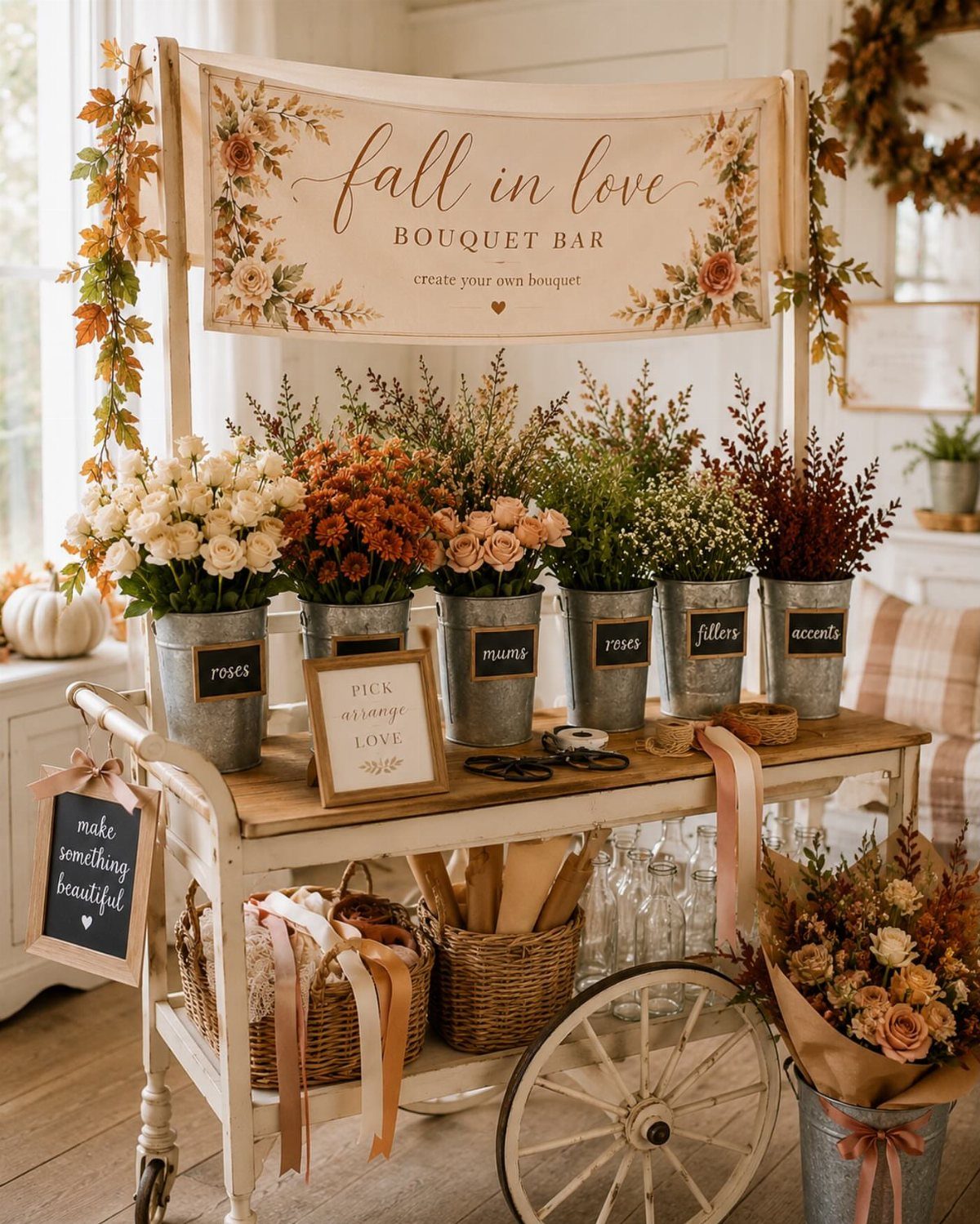
A bouquet bar gives guests who would rather not dance something to do with their hands. They pick from buckets of fresh or dried flowers, wrap their own arrangement, and leave with something that outlasts most favors.
Label the buckets by type, not just color; guests need to know what they are choosing between.
Ribbon, paper, and a small sign with a loose instruction card are enough. I would add a pressed flower option for guests who want flat art instead of a bundle.
9. Cigar Roller
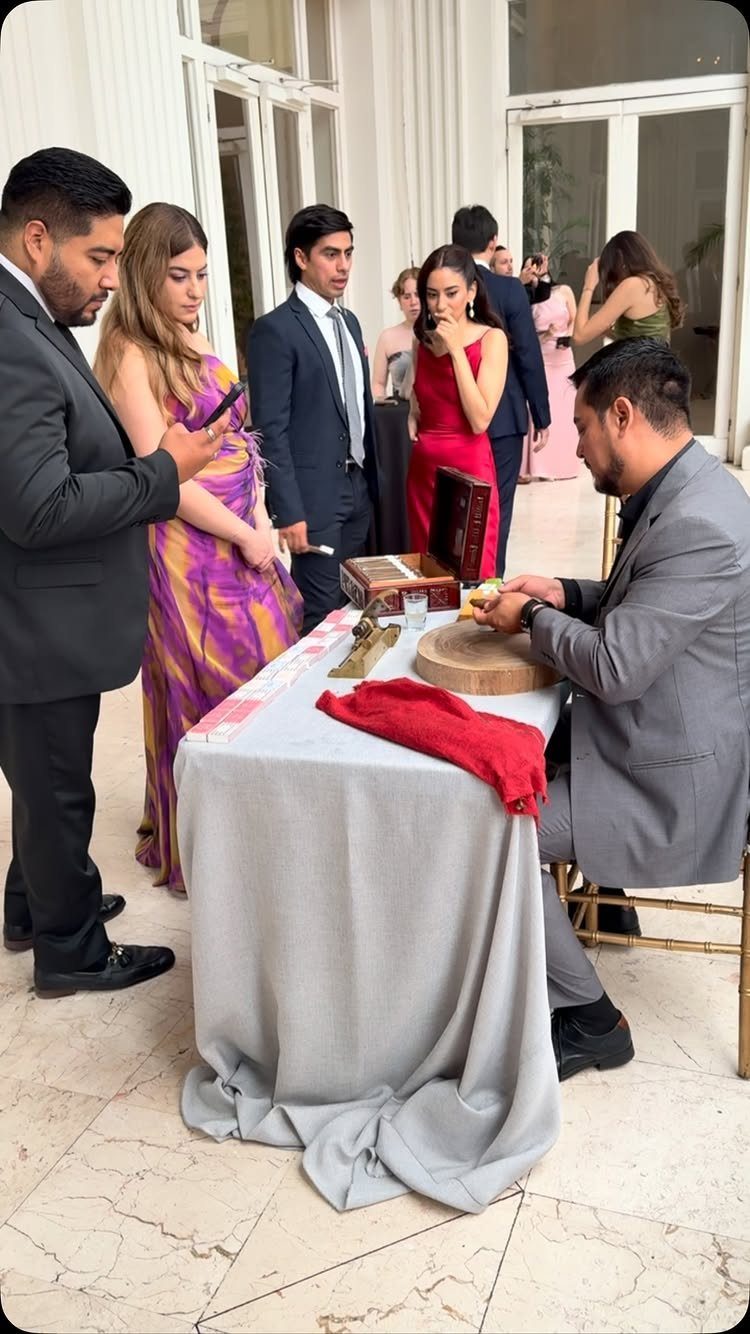
A cigar roller brings the workshop into the reception: guests watch tobacco become something smokeable, then take it outside.
The man at the table, the tools, the humidor; the whole setup signals that this is a slowed-down moment in a fast evening.
I would check the venue’s smoking policy before booking; an outdoor terrace or a designated garden area saves the dance floor from the cloud.
The roller works long enough to cover the peak of the reception, and the count of cigars matters; too few and guests compete, too many and you are storing cigars nobody wanted.
This suits couples who already smoke, not couples hoping to start a trend.
10. DIY Beer Bar
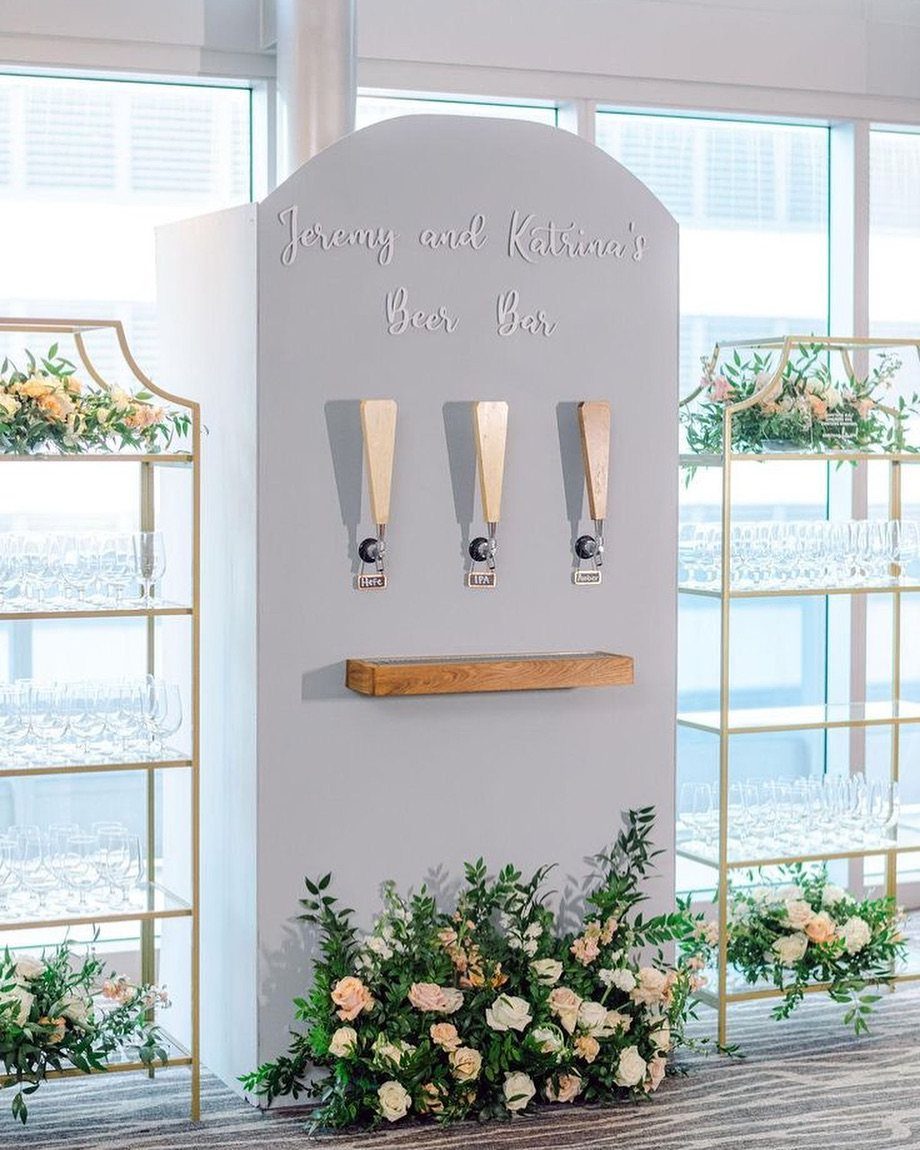
A self-serve beer bar moves the bottleneck from the bartender’s queue to the tap itself. An arch, taps, and a named sign turn a drink station into something that announces the couple rather than hiding behind generic catering.
I would limit it to two varieties, three at most, and label them by style so guests know what they are pouring.
Mason jars work as glassware and as a visual theme; they also break less often than stemware on a dance floor.
Check local laws: some states require a licensed server for anything on tap, and the DIY setup only saves money where it is legal.
11. Flash Mob Dance
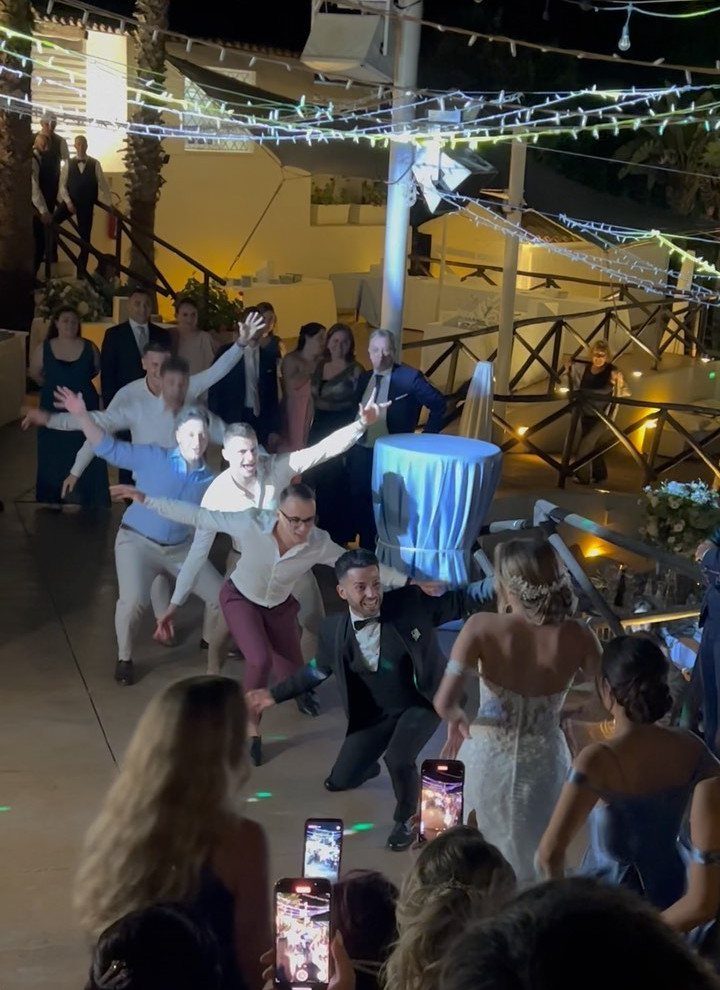
A flash mob looks spontaneous because every second of it is rehearsed. The groom and groomsmen drop into synchronized moves, the bride reacts, the crowd pulls out phones; the surprise is the product of secret practice.
I would keep the choreography simple enough that non-dancers in the wedding party can learn it in 3 sessions. The flash works best as an interruption of something expected: a slow first dance, a speech, a supposed technical difficulty.
Recorded music is easier to time than a live band, and groomsmen in dress shirts without jackets have the right look for movement.
12. Cozy Lounge Seating
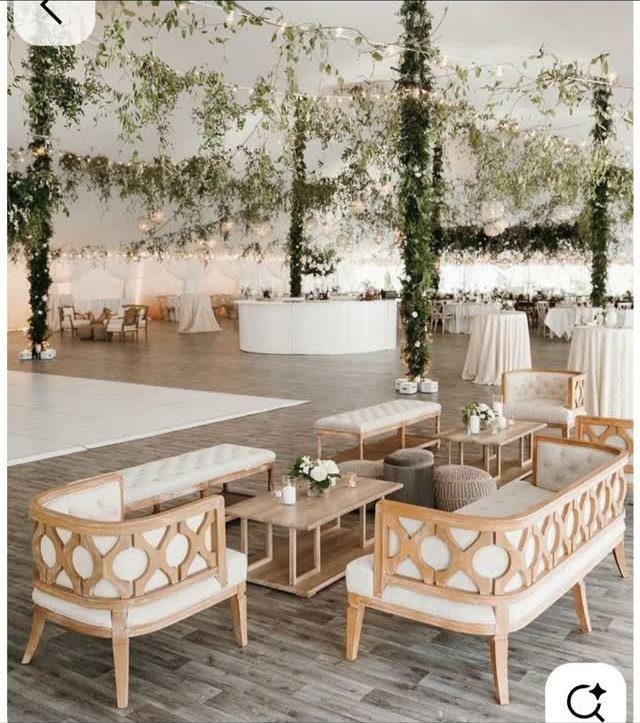
Lounge seating carves out pockets of quiet in a loud room. Upholstered settees, low tables, and ottomans let guests sit at eye level with each other instead of shouting across standard rounds.
I would cluster the furniture in threes and fours, tight enough for conversation, loose enough that the couple can move between groups. Velvet and satin read formal; cotton and linen suit a backyard tent.
The risk is guests who camp there all night and miss the dancing; placing the lounge between the bar and the dance floor keeps it in the flow rather than outside it.
13. Personalized Napkins
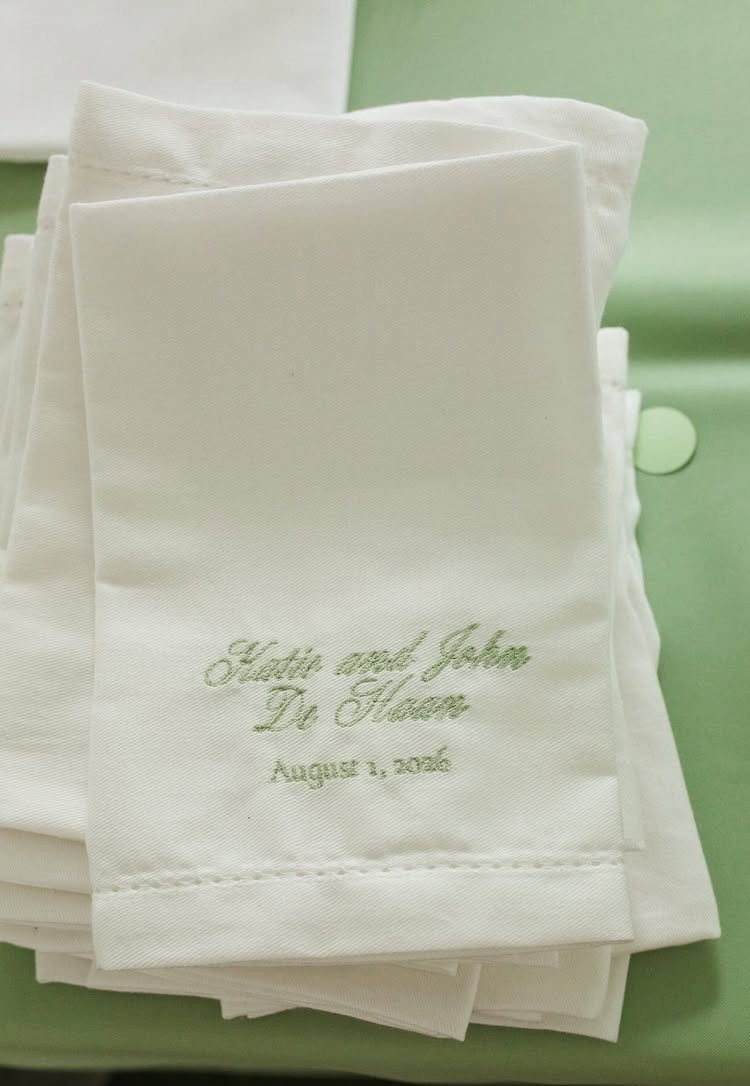
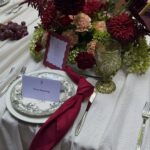
A napkin with your names and the date embroidered in thread is a small surface to make permanent. Guests notice it when they lift it to their lap; it costs less than most centerpieces and lasts longer than the cake.
I would order cloth over paper if the budget allows; cotton or linen folds cleanly and survives the wash, which matters if you plan to use them again at anniversary dinners.
Thread color should read against the napkin, not just match it. Green on white works for monogrammed napkins, though navy on cream or burgundy on ivory hold up better against red wine and coffee rings.
Monogrammed napkins suit a reception where the tables themselves carry the decoration, not one already crowded with flowers and candles. They also work as the single personal touch in a rented hall where little else can change.
Personalization in Receptions
Personalization works best when guests can interact with it, not just look at it.
A wine tasting lets you teach guests about bottles you actually favor; a karaoke duet puts your hobby on display in a way that pulls people in rather than keeping them at tables.
The cigar roller from the list fits here too, though only if you already smoke; starting the habit for a wedding looks forced.
Photos of guests with you, hung where they will walk past them, turn cocktail hour into a conversation.
I would cluster them by era or by which of you the guest knows, so people find their own faces and stop to look.
A memory lane between ceremony and reception needs room to breathe; cram too many photos into too small a space and guests feel rushed rather than drawn in.
Engaging Guests
Games at tables need someone to start them, or they stay in the box.
I would ask one extroverted guest per table to open the Jenga tower or deal the trivia cards during the salad course; once a tower wobbles, the rest of the table watches.
A mixologist who designs drinks for guests, not just for the couple, gives people something to talk about with strangers.
The dollar dance already appears in the list; the note about keeping the line moving matters more than most couples think, since a stalled line turns a moment into a wait.
Lawn games suit the gap between ceremony and reception when the weather holds.
Cornhole and giant Jenga need level ground; bocce needs more space than a standard tent allows. I would set them where guests can play in dress clothes without grass stains, or skip them if the field is damp.
“Another alternative to reception dancing is a guided tour of the city you are in. Load all your guests onto a bus after dinner and let the hired guide do a half-an-hour sightseeing tour of the place most of your guests have never seen.”
Creative Food Options
Late snacks hit at hour four, when the seated dinner is a memory and the bar has been open long enough that judgment loosens.
Late-night snacks get talked about because they catch people off guard in the best way; nobody expects a second round of food, and that surprise is what makes it stick.
Hot cocoa and s’mores suit a fall or winter reception with outdoor space. The toppings bar needs a heat source that stays hot; lukewarm cocoa gets poured out.
Sushi rolling lessons require a chef who can teach safely; raw fish left on a station too long is not a risk worth taking for the novelty.
Entertainment Alternatives
Dueling pianos cover more ground than a band with one setlist. I would confirm the repertoire in writing; "wide variety" means different things to different companies.
A dance instructor teaching group steps works only if your crowd is willing to be bad at something in public.
The flash mob from the list is the safer bet for a mixed group, since the practiced performers carry the moment and guests watch rather than participate.
Live painters and audio guestbooks already appear in the list; the painter’s speed samples and the guestbook’s backup plan are the details that separate a smooth night from a scramble.
Frequently Asked Questions
What is a traditional wedding reception?
A traditional wedding reception centers on a seated meal followed by dancing and speeches. Classic versions lean on formal details: live instrumental music from harpists or string quartets, floral arrangements, calligraphed place cards, and white tiered cakes.
The decor often draws from historic styles, with garden themes or architecture that transports guests to another era.
What are some good ideas for a wedding?
The strongest ideas let guests do something rather than only watch. A taco building station, a live painter guests can observe as the canvas fills, or an audio guestbook where people record voices rather than sign names all create interaction.
Personal touches like signature cocktails named after real moments in your relationship give guests a story to carry home.
How to decorate for a wedding reception?
Think about how you want guests to feel when they walk in, then build the decor around that mood.
A formal room with velvet settees and monogrammed napkins suits a seated dinner; mason jars and a self-serve beer bar fit a tent or barn.
Two or three strong details, like a cluster of low sofas or napkins printed with your names, do more than a dozen half-finished touches. Check venue rules before committing to sparklers, open flames, or anything that attaches to walls.