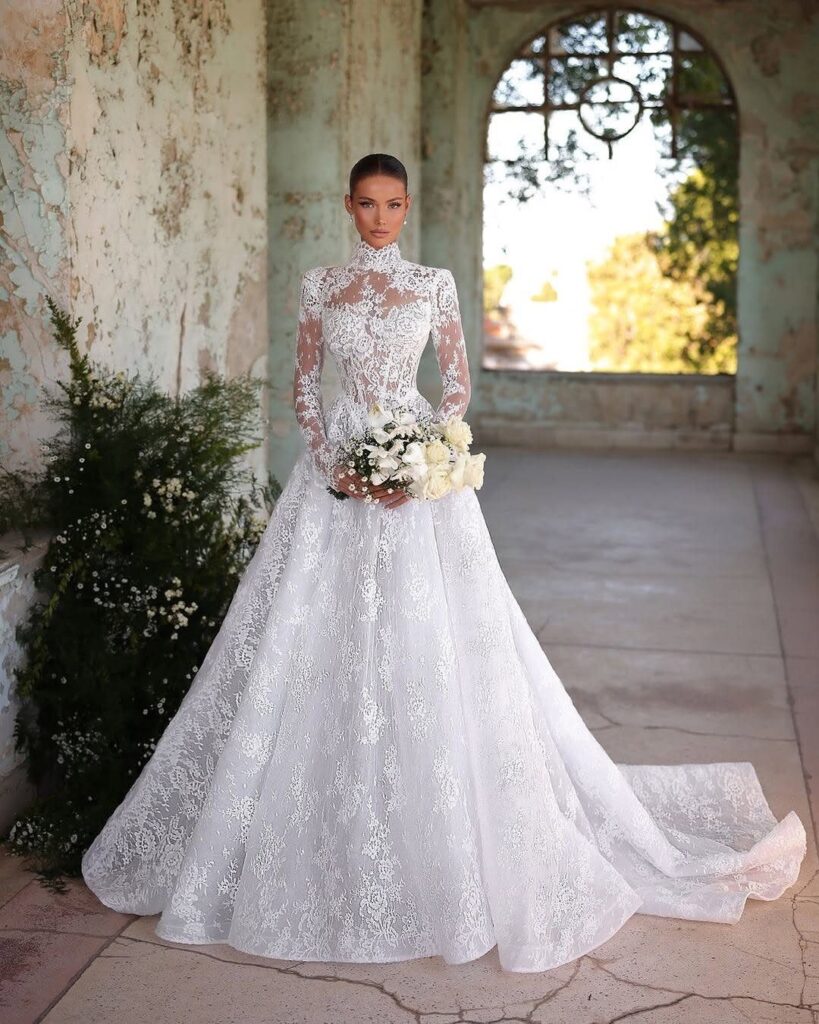
These 10 ideas move from sleeve length and neckline to skirt shape and era, with notes on what vintage actually means and what the price tags look like.
A corset bodice builds support right into the dress, and an A-line skirt falls from the waist in a quieter line than a ballgown would.
[link-whisper-related-posts]1. Long-sleeved Lace Gown
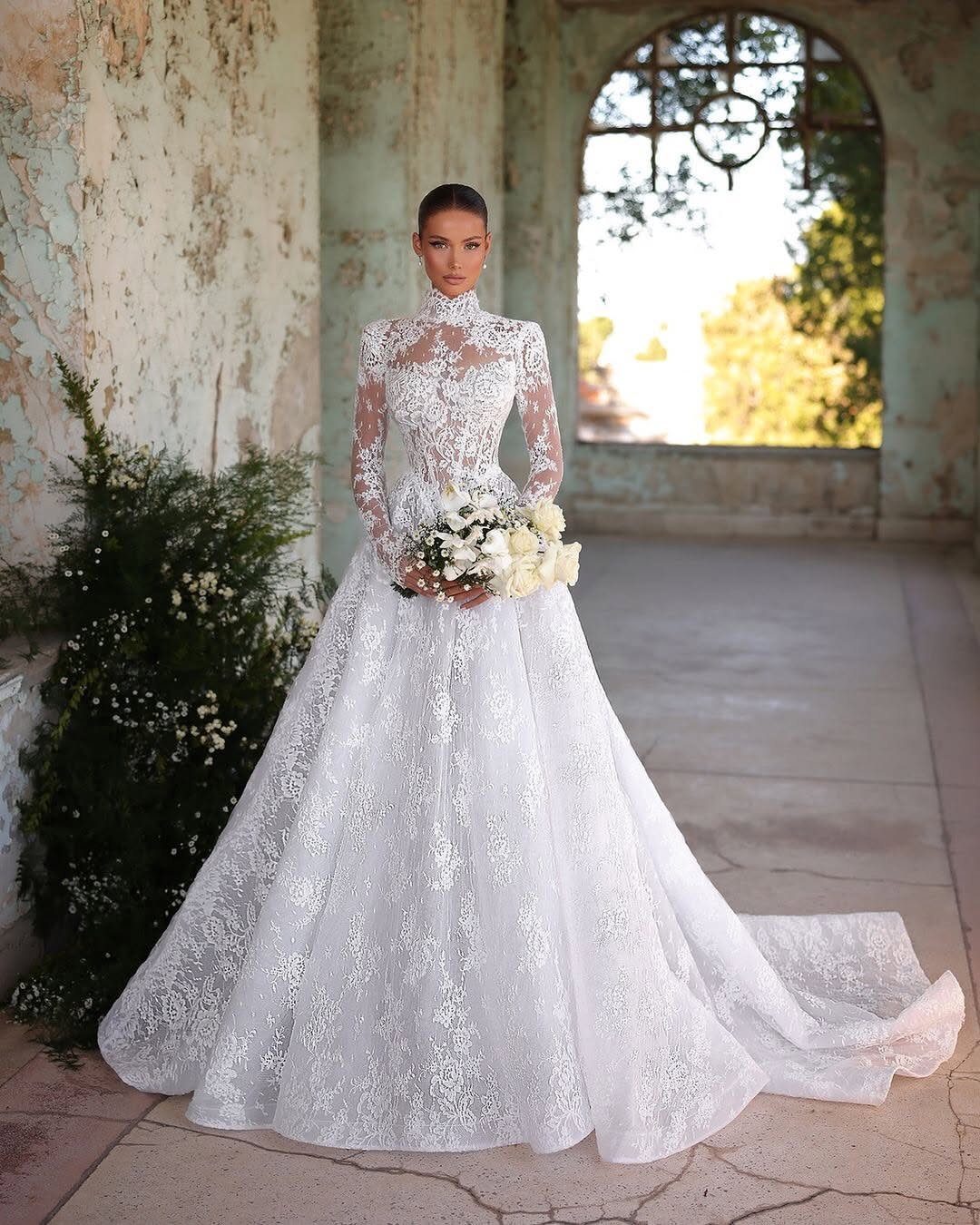
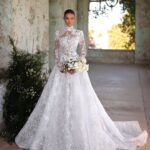
Long sleeves in lace read vintage faster than almost any other detail. The sheer fabric keeps the look from feeling heavy, especially when the bodice mixes opaque and transparent panels so your skin shows through the embroidery.
I would look for floral lace that runs from shoulder to wrist without a break; a separate sleeve ending at the wrist bone looks like an add-on.
A high neck works for a church ceremony, but a deep V gives the same period feel with more room to move.
2. Ivory Lace Gown
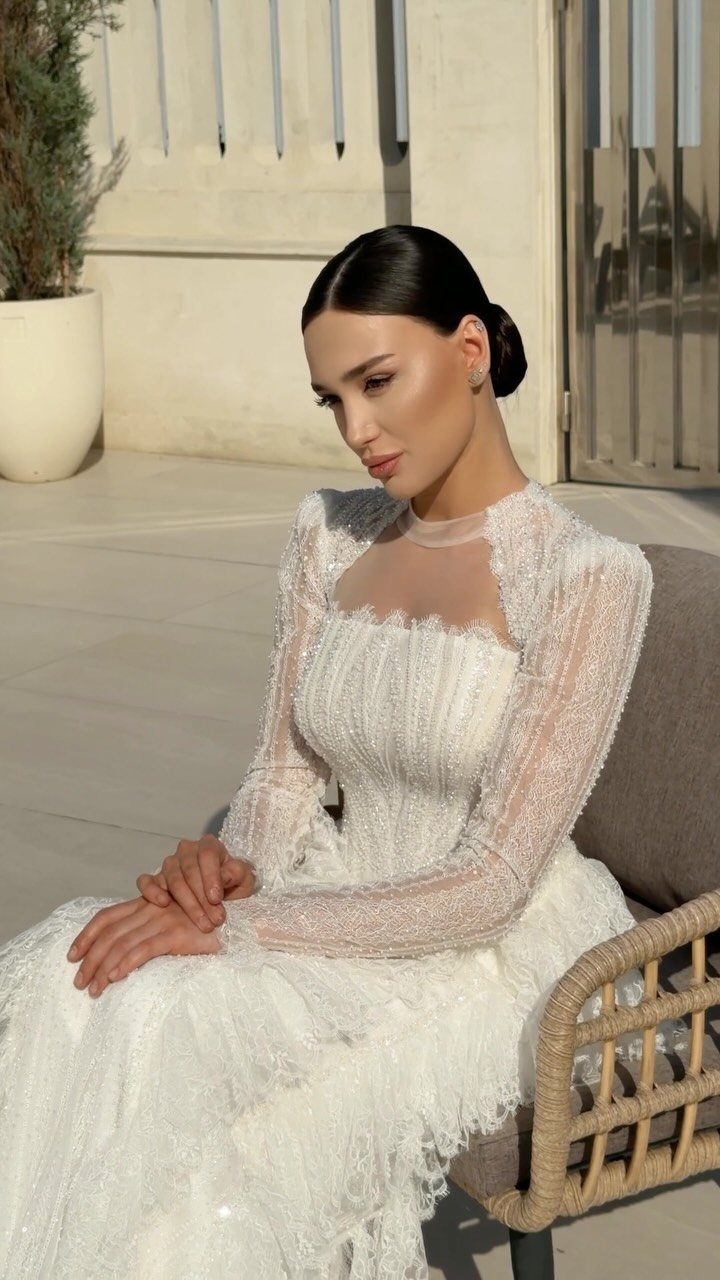
Ivory warms the skin in a way pure white sometimes fights against.
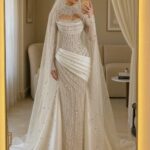
The beaded waistbands I have seen on these gowns sit at the natural waist and catch light without reading as costume; crystal fringe on the sleeves moves when you do.
Some versions layer silver beadwork over the lace so the pattern stays visible underneath.
If you are ordering online, request a fabric swatch: ivory shifts from yellow to pink to gray, and the wrong undertone against your face is expensive to fix.
3. Tea-length Wedding Dress
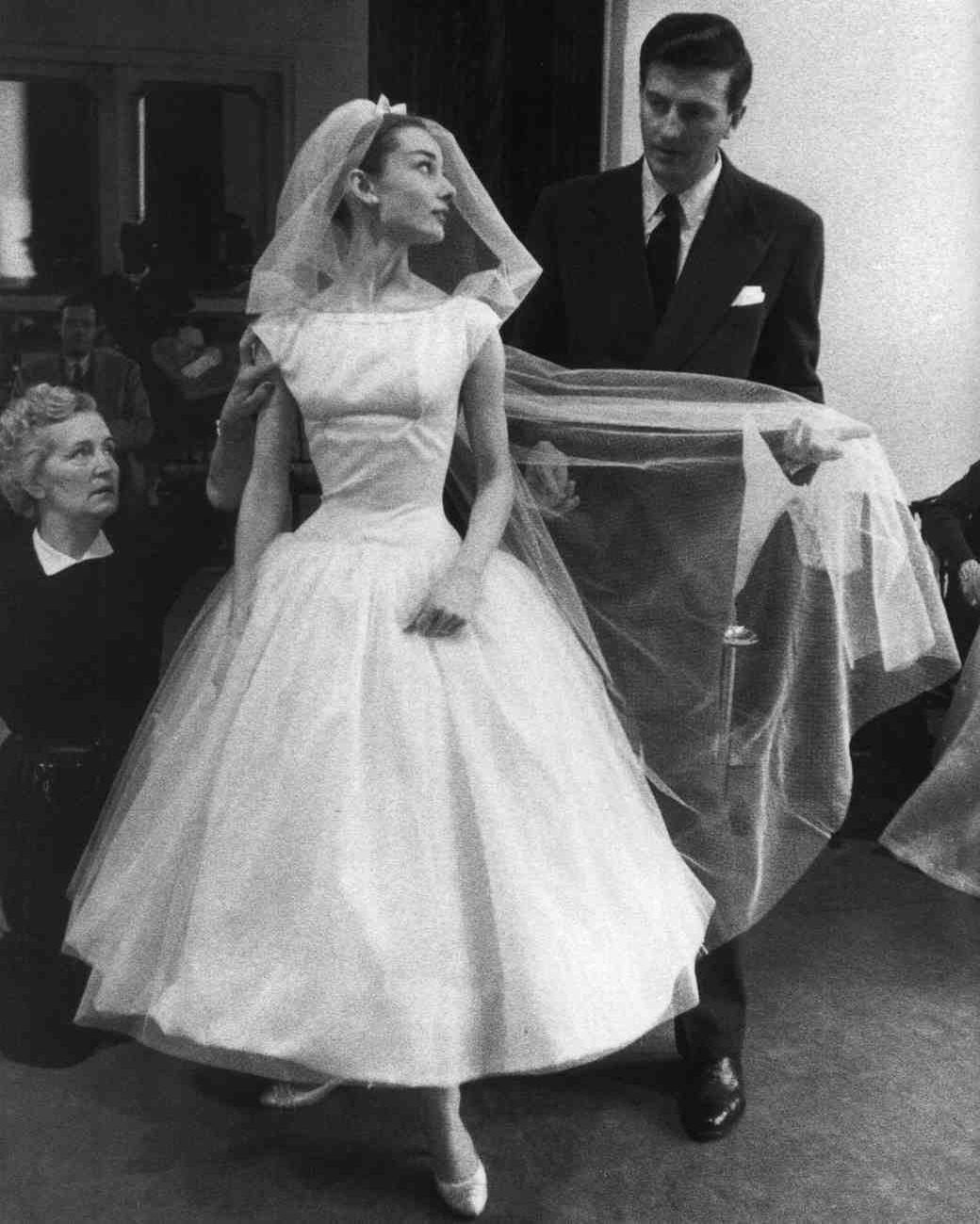
Audrey Hepburn wore this length in Funny Face, and the cut still carries that mid-century energy.
The satin skirt hits between knee and ankle, which means you will see your shoes; white peep-toe heels or a pearl-belted waist keep the look intentional rather than truncated.
A tea-length dress costs less to hem than a full gown, and you can move in it. A birdcage veil sits forward on the head, which suits this length better than a cathedral drop.
4. Floral Lace Appliqués on Bodice
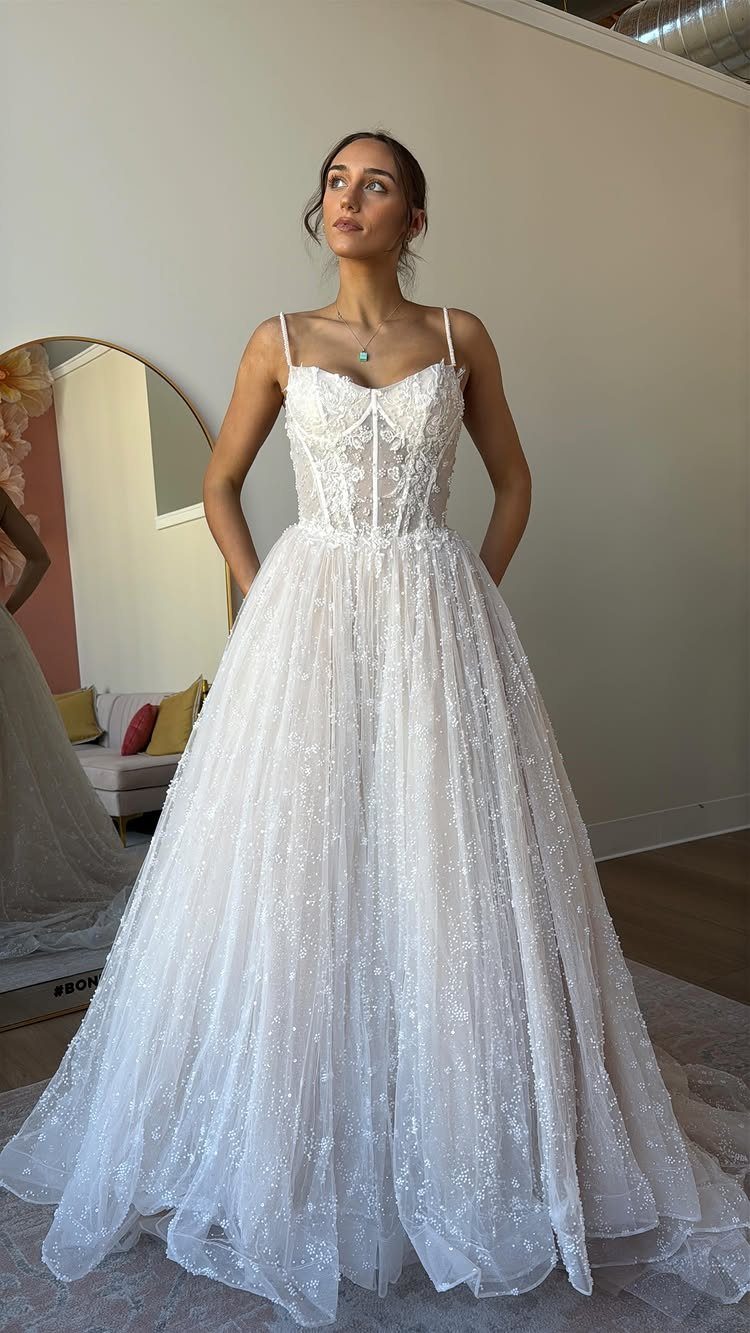
Appliqués that start at the bodice and continue down the skirt unify the dress as one piece rather than two ideas stitched together.
A corset-style bodice can use the flowers as structure, placed to follow the seams so the lace does not fight the shape underneath.
I would check that the appliqués are sewn, not glued; the weight of tulle pulls glued edges loose after a few hours. Scattered down the skirt they read as movement; clustered too heavily they look like repair work.
5. Corset Bodice Lace Wedding Dress
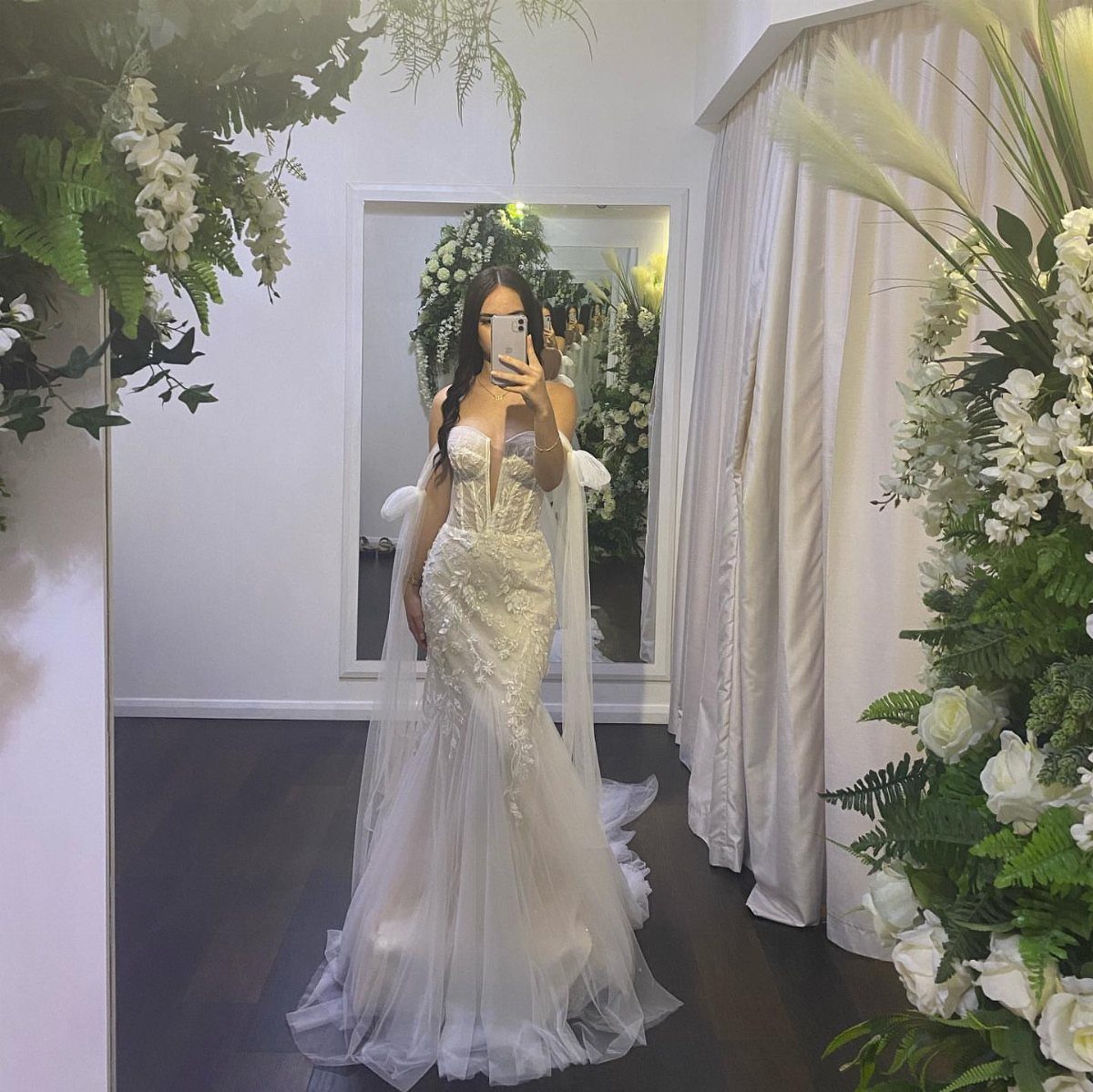
A corset bodice does the work of undergarments so you can skip the separate bustier. Exposed lacing in a mirror shot is decorative; functional lacing sits inside and lets you adjust through the day as the fabric relaxes.
Ivory silk under the tulle gives the skirt weight so it hangs rather than clings. Ruffled cap sleeves are easier to alter than fitted sleeves if your shoulders are narrow; tulle sleeves drape to almost any width.
6. Ruffled Skirt with Lace Overlays
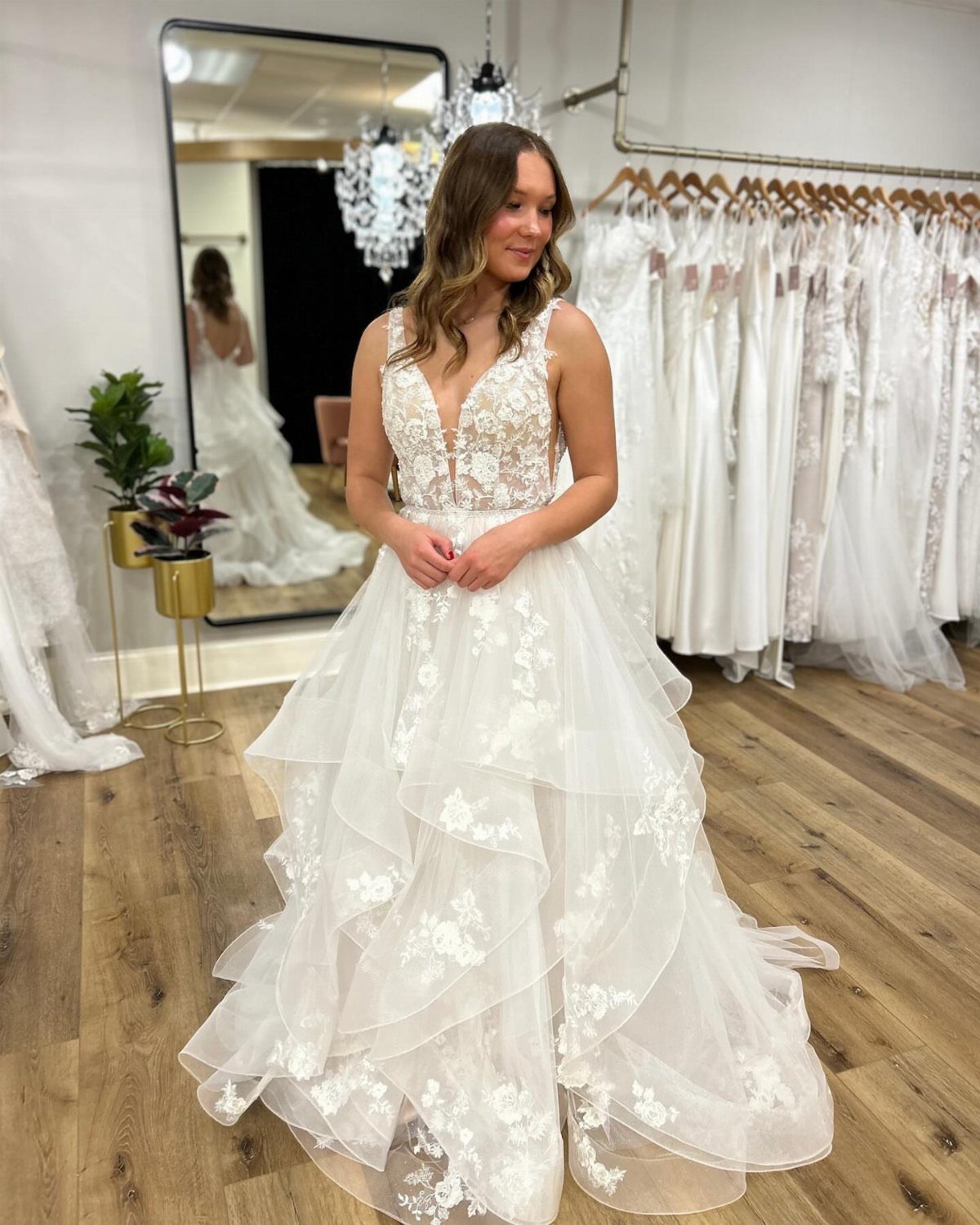
Ruffles build volume without the stiffness of crinoline, and lace overlays keep the tiers from reading as prom dress. Organza holds the shape through hours of sitting and standing; tulle collapses faster but photographs softer.
A long train in lace trim, in the Victorian style, needs someone to manage it or it becomes a sweeping hazard. I would pin it up for the reception or choose a sweep length that clears the floor without help.
7. Vintage Lace Wedding Dress
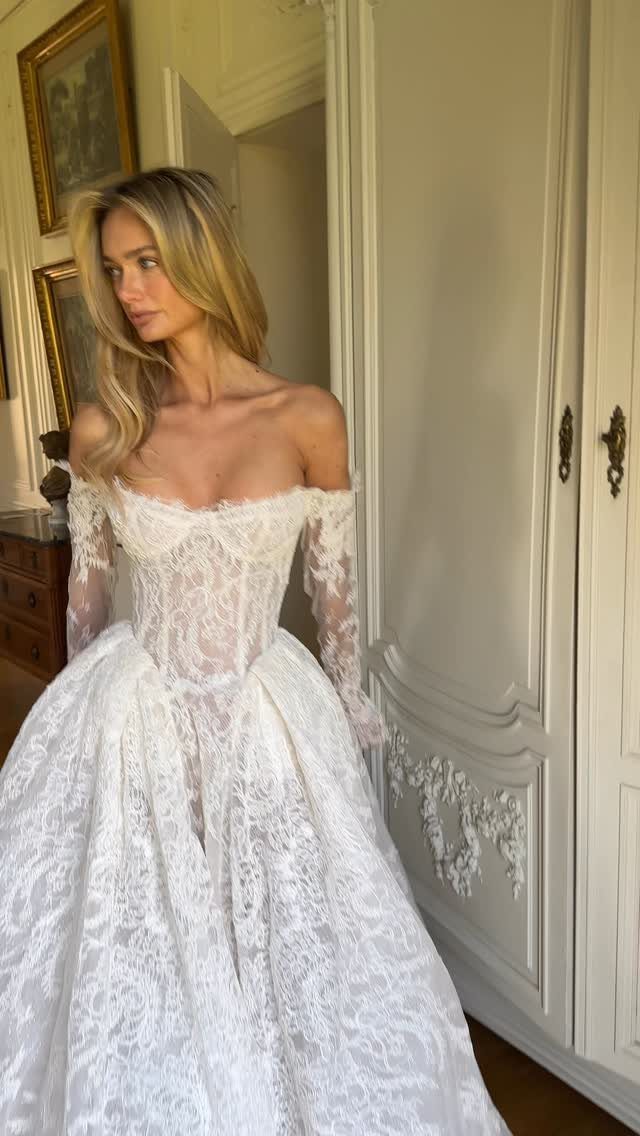
Vintage lace carries a softness that newer machine-made patterns often flatten out. An off-the-shoulder cut frames the collarbone without straps to fuss with, though the bodice needs precise fitting or the whole dress slides.
A ballgown this full needs a hoop or several layers of tulle underneath; ask whether the skirt includes its own structure or if you are renting that separately.
The long sheer sleeves keep the bare-shoulder look from feeling too exposed in a church ceremony.
8. Sweetheart Neckline Lace Bodice
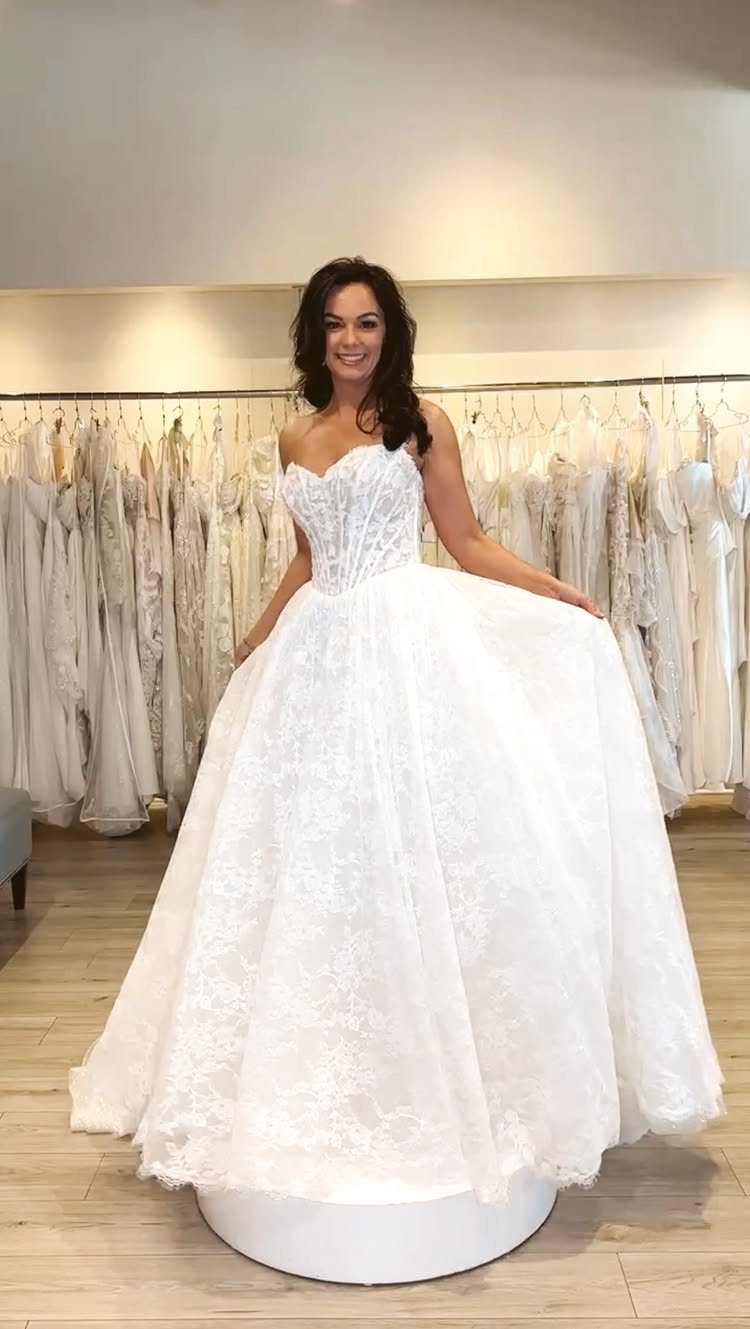
A sweetheart neckline curves to a point between the bust, which shapes the face upward and gives strapless gowns something to grip against. A structured corset underneath the lace bodice keeps the dress up without constant tugging.
Strapless means no sleeve to alter if your shoulders are narrow; the bodice is altered at the side seams instead.
I would check that the lace lies flat across the bust when you sit: a sweetheart cut can gape at the center if the boning stops too high.
9. Cap Sleeves Lace Gown
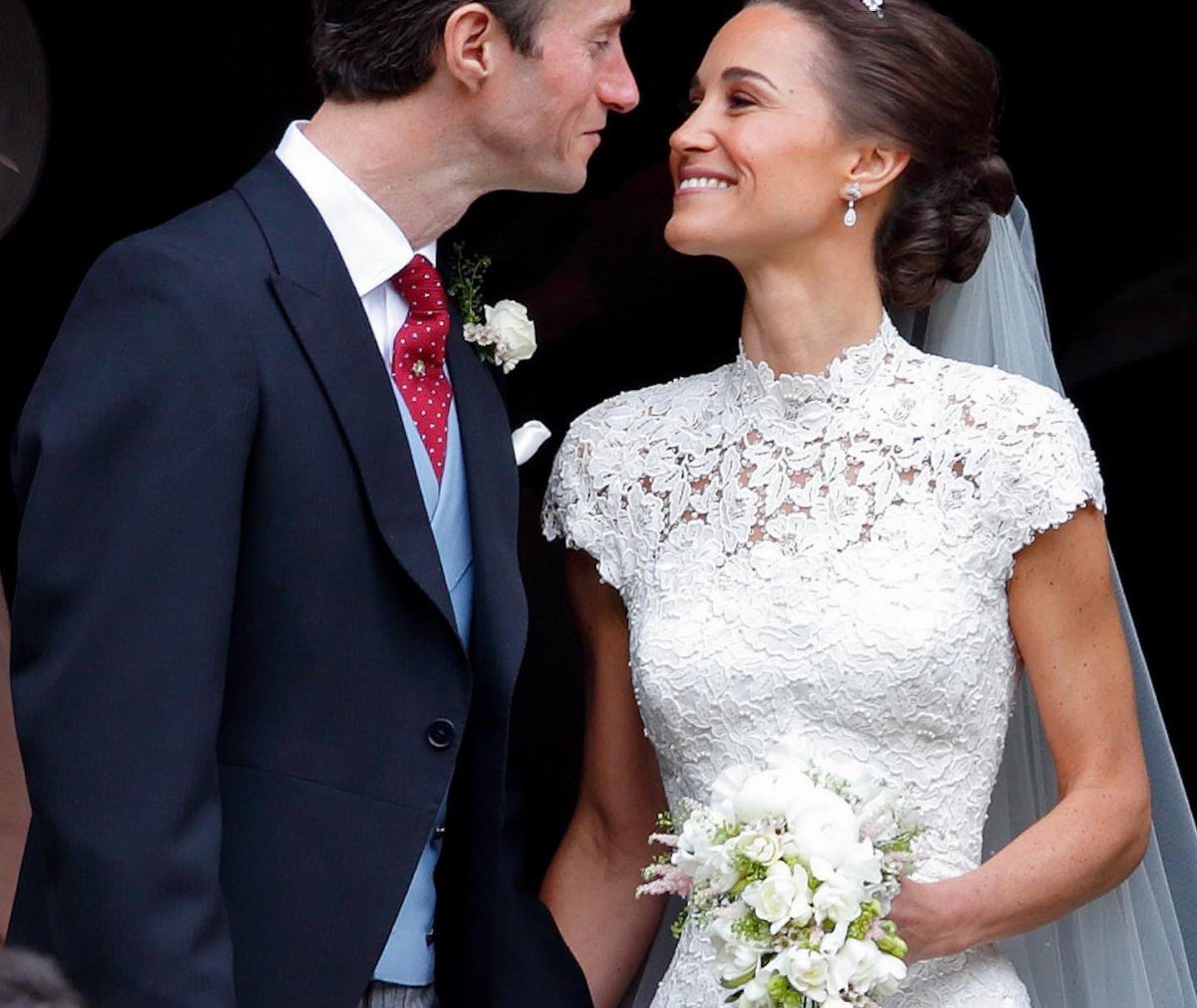
Cap sleeves cover just the shoulder cap, enough to soften the upper arm without the heat or alteration cost of a full sleeve.
A high neck reads modest and Victorian; a V-neck in the same sleeve is easier to wear if you are broader across the chest.
Heavy silver or crystal beadwork adds weight that pulls the shoulders down over hours. Try the dress on long enough to feel that drag, or ask if the beads can be lightened on the sleeves only.
10. A-line Lace Wedding Dress
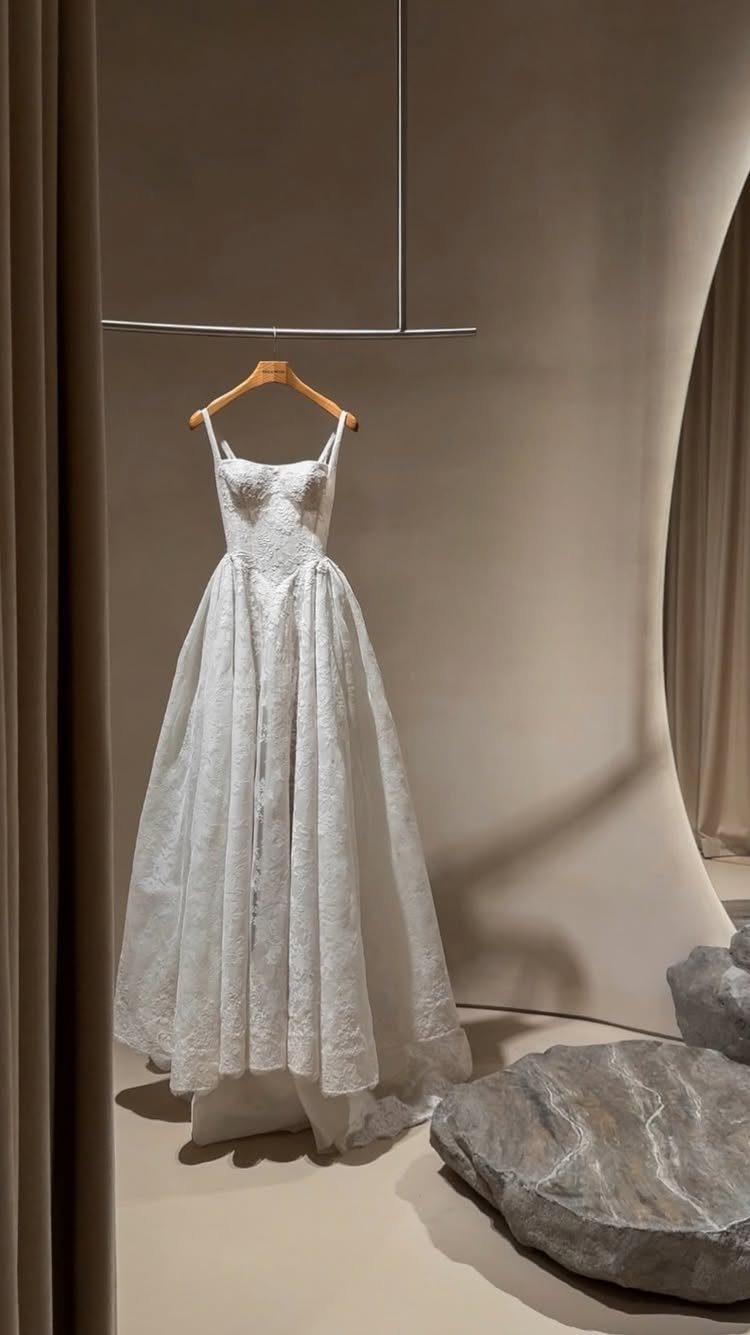
An A-line skirt hangs from the natural waist and widens gradually, which suits most bodies without the volume of a ballgown. Soft lace without the stiff understructure a ballgown needs packs flatter for a destination wedding.
A fitted bodice with a flowing skirt balances easily; you will not need the same corsetry a sheath dress requires to smooth the hip line.
Lace Wedding Dress Popularity
Lace has outlasted every other bridal fabric because it photographs well and reads as intentional rather than minimal.
Long-sleeved lace styles pull from Victorian and mid-century references without needing a full period costume; that is why they dominate Pinterest boards tagged "vintage" even when the dress itself is new.
A-line and tea-length cuts both borrow from mid-century shapes, but the lace is what signals "wedding" rather than "party dress."
The color matters too. Ivory and warm white lace sell faster than pure white in vintage searches, according to resale listings I have tracked.
New gowns in ivory with gold embroidery or silver beadwork are made to read as found objects; the list notes several with that treatment.
Value of Vintage Dresses
A vintage dress with a known designer label holds value better than an unmarked piece, but condition matters more than name.
Lace yellows at different rates depending on storage; a gown kept in acid-free tissue can stay wearable for decades, while one hung in daylight may stain unevenly.
Check under the arms and at the hem first: those are the zones that show wear before the bodice does.
Original construction details raise price in resale. Functional corset lacing, hand-sewn appliqués, and natural waistbands that survived multiple owners suggest quality that fast fashion copies rarely match.
A gown with its original buttons or hook-and-eye tape intact is easier to alter than one where a previous owner cut the closures away.
Age of Vintage Dresses
The two-decade mark is the standard dealers and insurers use, not a law.
For practical shopping, I would ask sellers for a date range rather than trusting "vintage" in a listing.
Tea-length and A-line shapes have cycled in and out since the mid-century; a version with puffed sleeves needs different styling than a sleeker cut.
Cost of Lace Wedding Dresses
Lace wedding dresses run from simple off-the-rack designs to designer construction with hand-sewn appliqués and imported fabric, with the price gap between them often stretching to 4 figures.
Crystal fringe, silver beadwork, and layered tulle all add labor cost, while a tea-length hem with less fabric drops the price.
Vintage resale operates in its own band.
Alteration is the hidden cost with vintage. A corset bodice with functional lacing gives you room to adjust; a fitted bodice with no seam allowance may cost more to let out than the dress itself.
New lace with vintage styling, like the ivory and long-sleeved options, often lands in the middle price range before alterations.
Frequently Asked Questions
When were lace wedding dresses popular?
Lace keeps showing up in bridal shoots because it catches light in a way plain fabric does not, and it reads as a deliberate choice rather than a default.
A-line and tea-length cuts both borrow from mid-century shapes, but the lace is what signals "wedding" rather than "party dress."
Are vintage wedding dresses worth money?
A vintage dress with a known designer label holds value better than an unmarked piece, but condition matters more than name.
Storage chemistry matters more than age; acid-free tissue in a dark box can keep lace near-white for fifty years, while a hanger near a window leaves a silhouette stain in under a decade.
Working corset lacing, hand-stitched appliqués, and an unaltered natural waist are details that resale buyers hunt for, since they point to construction that mass-market copies skip.
Is a 20 year old wedding dress considered vintage?
Dealers and insurers settled on twenty years as a working threshold, but no authority enforces it.
Tea-length and A-line shapes have cycled in and out since the mid-century, so a version with puffed sleeves needs different styling than a sleeker cut.
Is a lace wedding dress more expensive?
Off-the-rack lace starts near the bottom of the market and hand-sewn appliqués on imported fabric push well past 4 figures, with most gowns falling somewhere between.
New gowns with vintage styling tend to cluster in the middle bracket before alterations, and resale vintage sits in its own pricing band where the real expense often shows up later at the tailor.