Wedding flowers run from a single stem in a bud vase to garlands draped over a head table, and the right choice depends on whether you are pinning it on a lapel, carrying it down the aisle, or setting it where guests will sit.
A boutonniere that photographs cleanly for hours needs wired stems and one strong bloom, while a head table backdrop has to survive guests brushing past and still read in photos all night.
The difference between them is not just scale; it is whether the flowers are meant to be pinned on, carried, or arranged where people will gather around them.
[link-whisper-related-posts]1. Boutonnieres
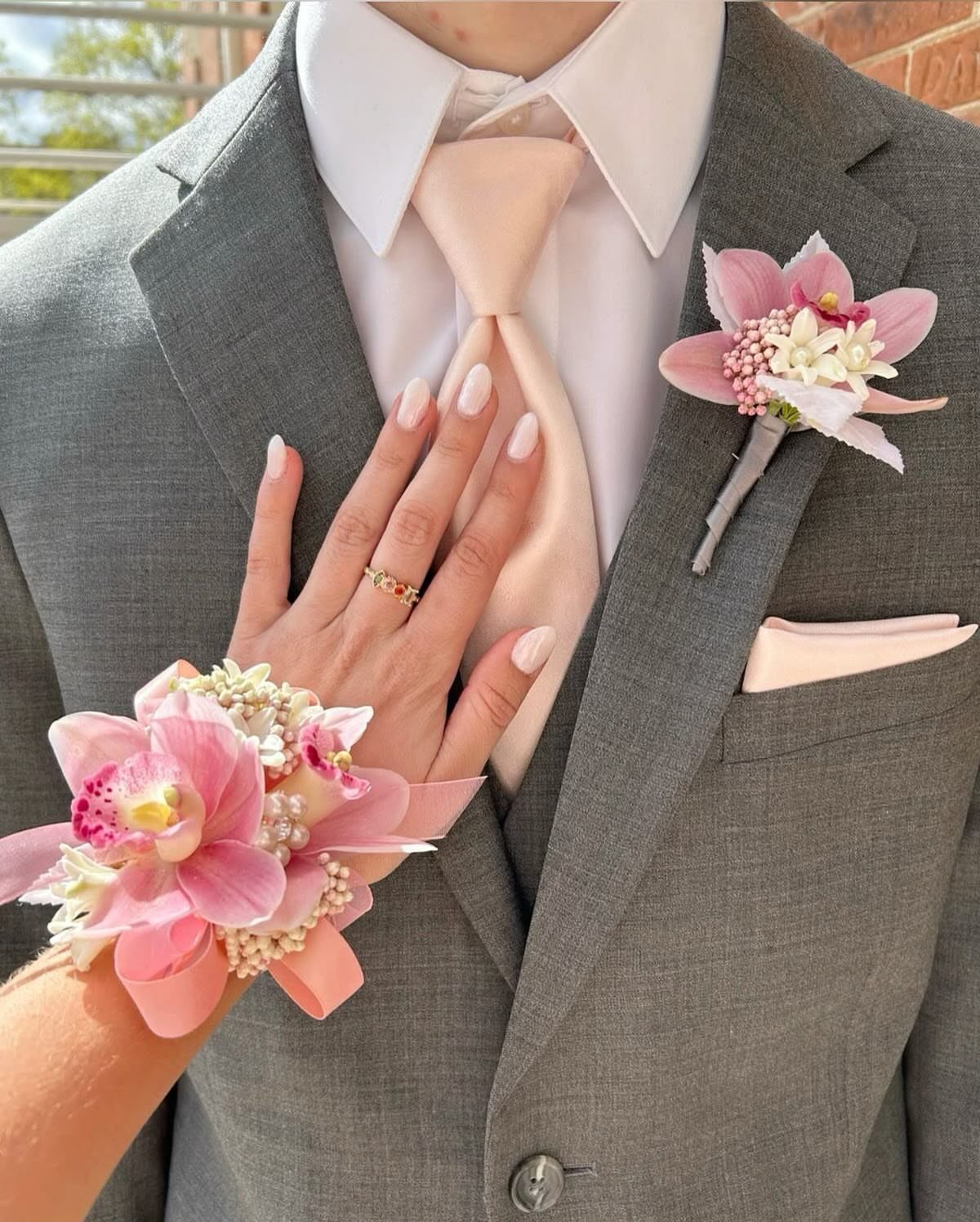
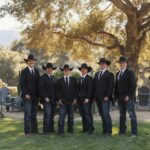
A boutonniere gives the groom and groomsmen a visual link to the bride without competing for attention. Most I have seen use a single flower, a spray rose or ranunculus, with a small clip of greenery behind it.
Orchids in a boutonniere can echo a matching wrist corsage for a unified look.
Coordinating flowers across the whole wedding party keeps group photos from looking scattered. Mothers and grandmothers usually get the choice of a pin-on or wrist style.
Adding foliage, herbs, or a small accent brings texture, though one strong bloom on its own reads cleaner in close-up shots.
Check that the stems are wired securely; a floppy boutonniere photographs poorly and the groom will be wearing it for hours.
2. Wedding Bouquet Ideas
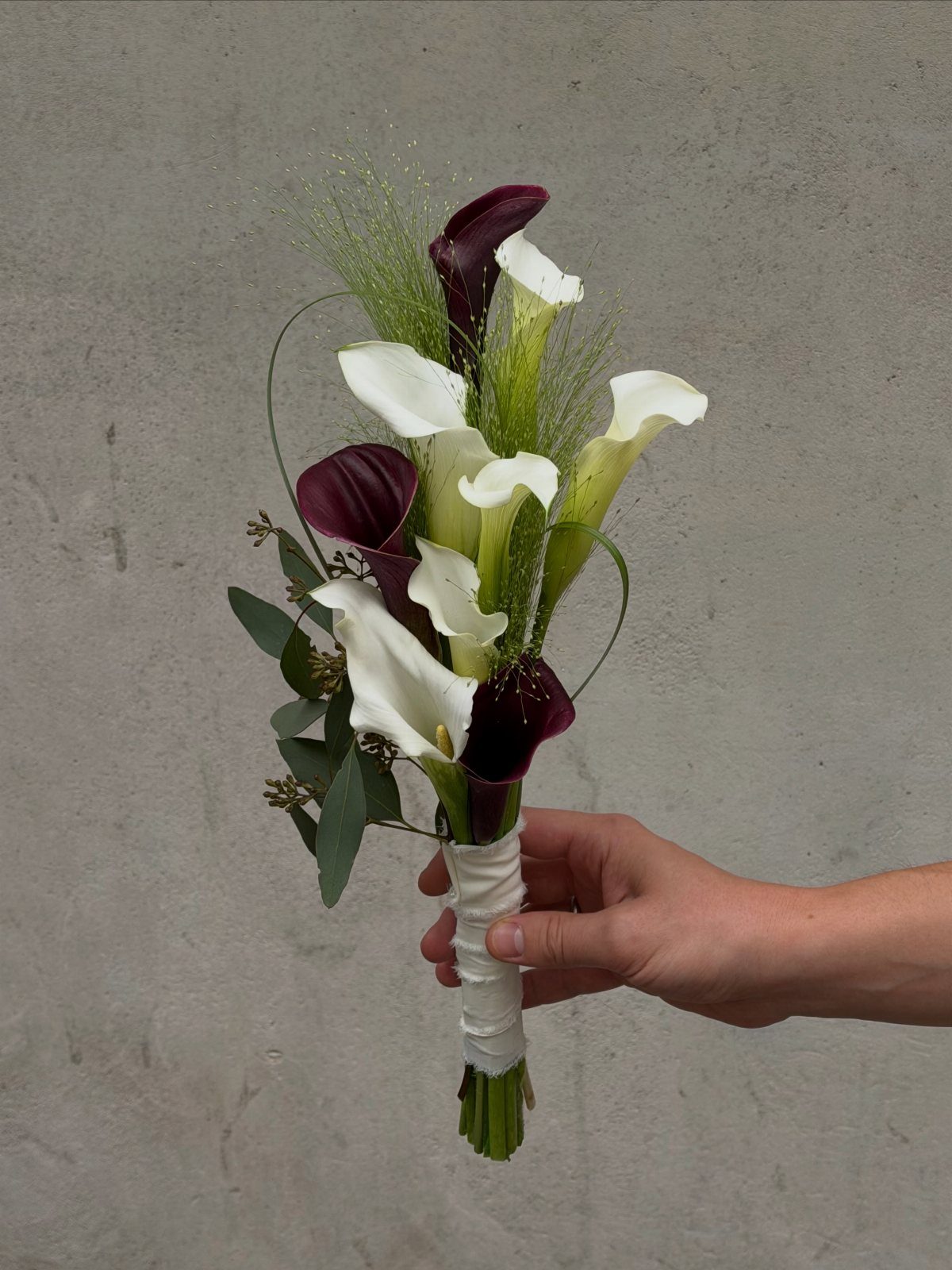
The bridal bouquet is where the flower budget usually concentrates, and for good reason. It appears in nearly every formal photograph and sets the tone for every other arrangement in the room.
Calla lilies suit a hand-tied bouquet with ribbon-wrapped stems, and they hold up well out of water for hours.
For a softer wedding, blush and ivory roses or peonies with trailing greenery match the mood. Bolder palettes run toward deep reds or sunset tones.
Bridesmaid bouquets do not need to be miniature copies of yours. Mixing flowers within one color palette, or picking tones that play against the dresses, gives the wedding party visual rhythm without losing cohesion.
3. Ceremony Flowers
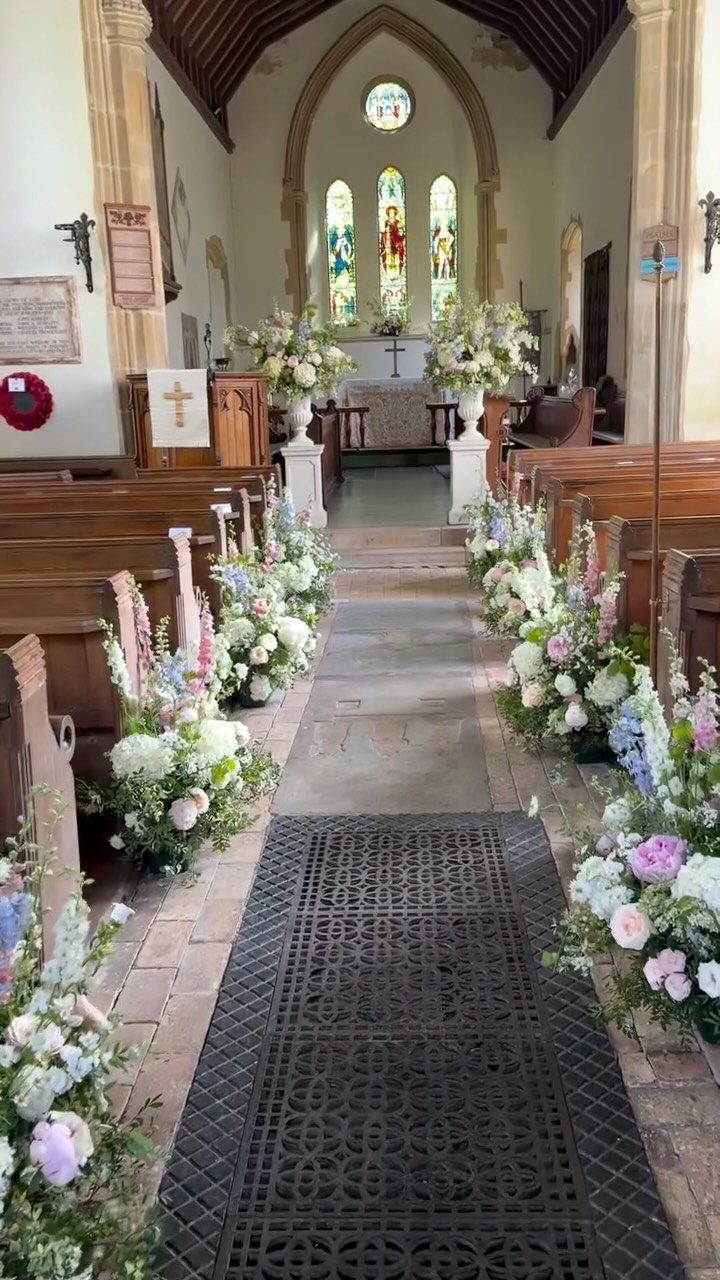
Ceremony flowers do their work in the background while eyes stay fixed on the couple at the front. That is the job: frame the moment without pulling focus from it.
Aisle markers paired with two large urn arrangements at the altar is a traditional layout that scales to most spaces.
Floral arches, hanging installations, or a carpet of petals down the aisle are alternatives that suit different venues. The maker of this piece described it as a meadow aisle in pastel tones, with classical urns overflowing with peonies.
Match these arrangements to your reception flowers so guests do not feel like they crossed into a different event when they move to cocktail hour.
4. Wedding Centerpieces
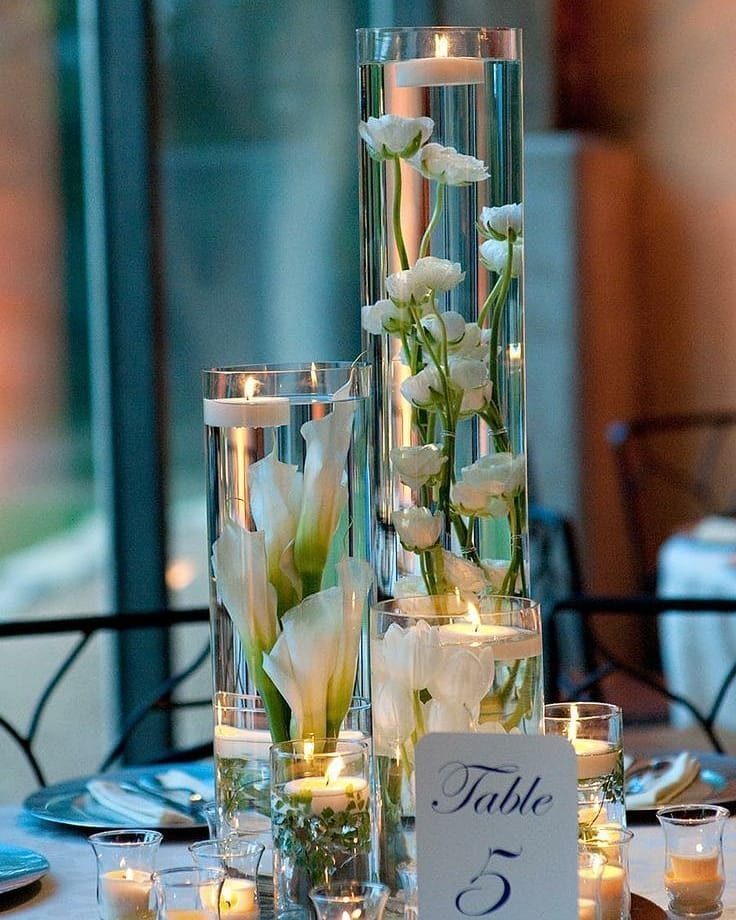
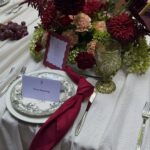
Centerpieces sit at eye level across the longest stretch of the wedding, so their height and shape matter for conversation as much as for looks.
Tall glass cylinders with submerged flowers and a floating candle on top draw the eye upward without spreading out across the table.
Varying height and size across the room adds depth.
Mix flowers with foliage and candles; the combination of living material and flame does more than either alone. Tall pieces on some tables, low spreads on others, prevent the space from flattening into repetition.
One practical limit: candles need tending, and submerged stems will cloud the water after several hours. Plan the setup timing with your venue or florist.
5. Welcome Tables Floral Arrangements
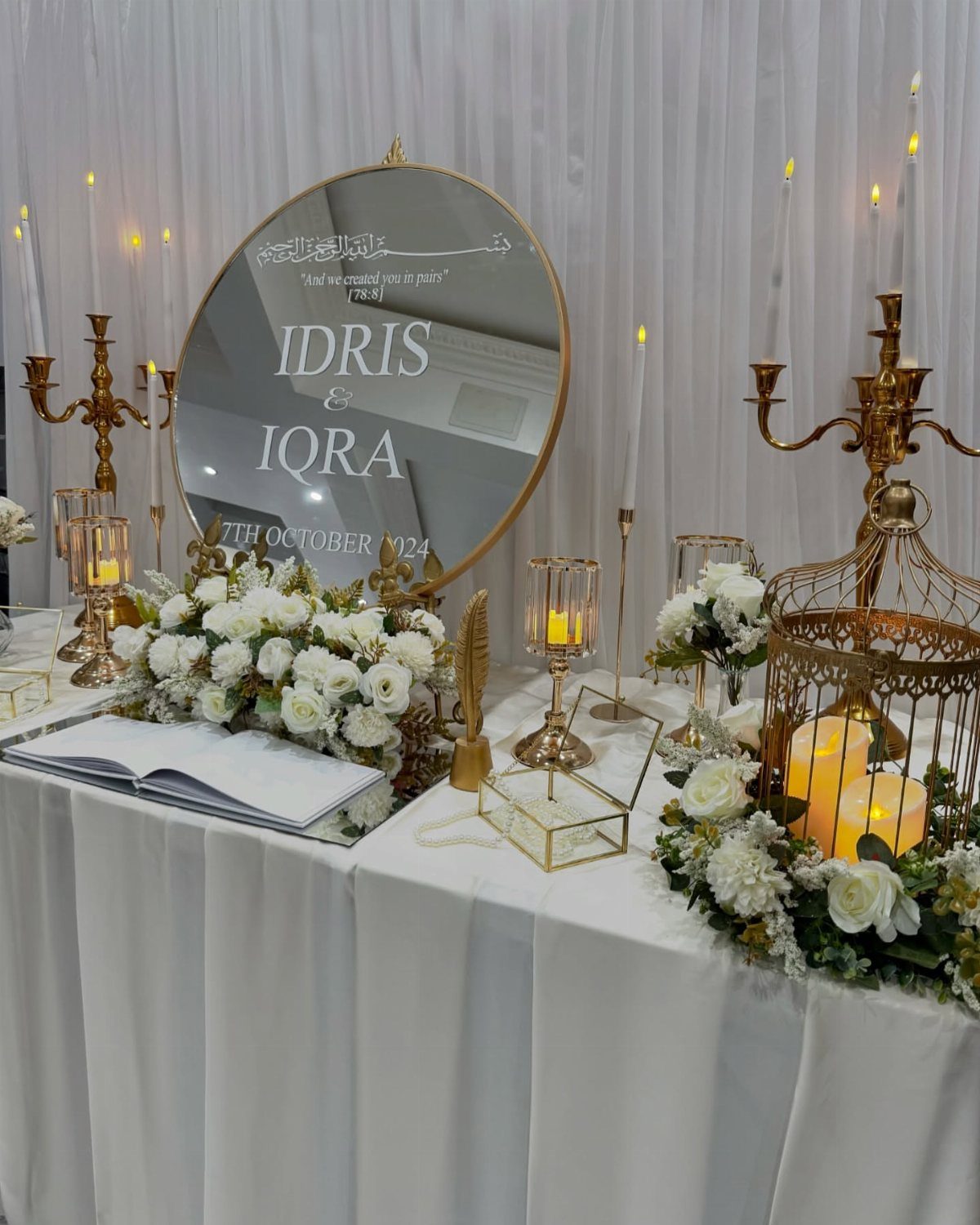
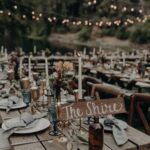
The welcome table is the first physical detail guests encounter, and small floral arrangements there signal that someone thought through the continuity of the day.
White blooms paired with gold candlesticks can tie into a larger scheme without needing their own separate concept.
Bud vases with single stems work here and cost less than full arrangements. You can also run greenery along the table edge or drape a short garland for a softer frame.
This is a good place to use any flowers left over from larger installations, or to test a color you were unsure about committing to in volume.
The scale is forgiving; a little goes a long way on a table that also holds a guestbook and signage.
6. Floral Cake Decorations
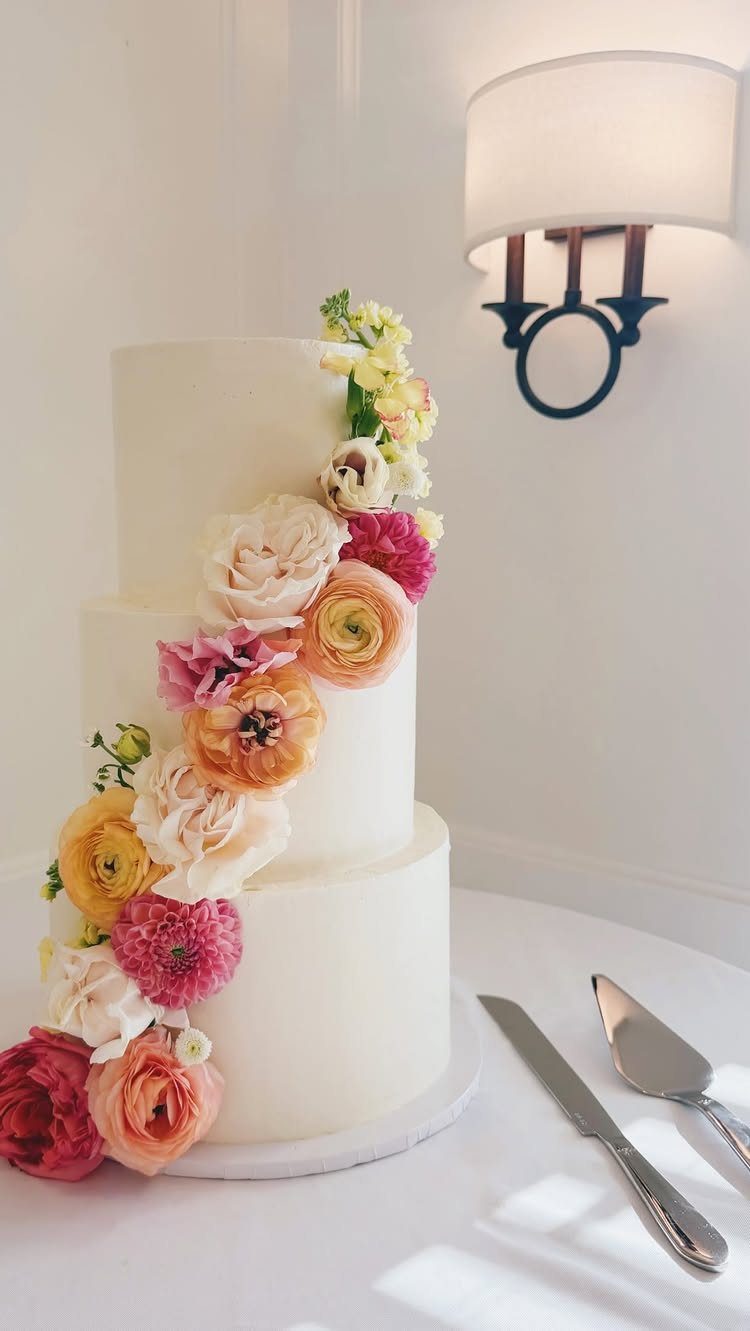
Fresh flowers on a cake bridge the dessert and the rest of the floral design, but they need planning. A cascading arrangement worked into the cake tiers takes planning with your florist; this is not a morning-of addition.
Not all flowers are food-safe.
Your baker and florist should agree on which stems can touch frosting directly and which need a barrier. Some blooms wilt quickly out of water; others hold up for hours.
Matching the cake flowers to your other arrangements keeps the cake from looking like it arrived from a different wedding.
If your palette is tight, even a small cluster on the top tier, echoing the bridal bouquet, is enough to tie it together.
7. Flower Girl Baskets
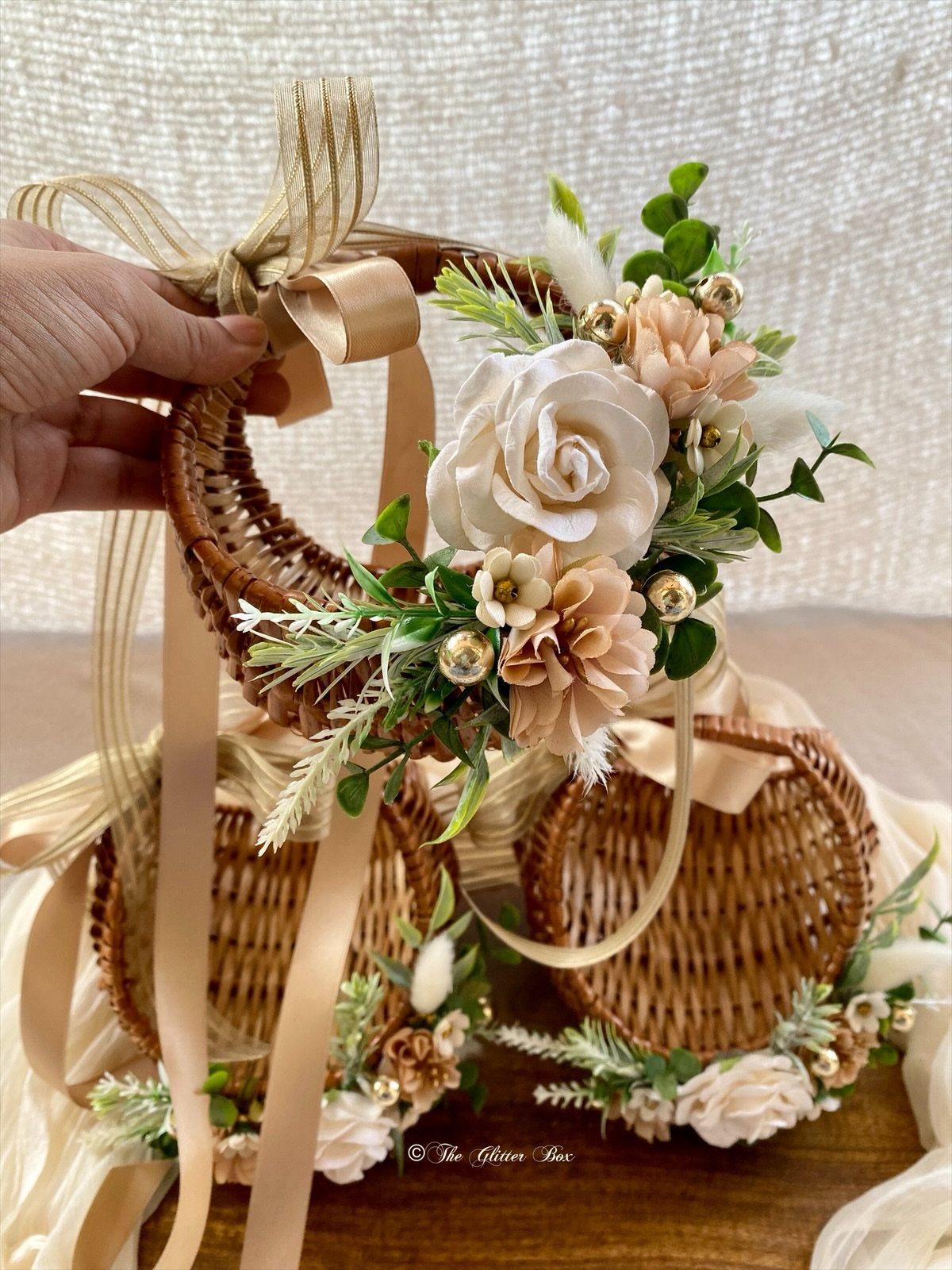
A flower girl basket carries just enough petals or small blooms to mark the aisle without staging a second ceremony.
Wicker rounds with a few fabric roses and clipped greenery keep the look consistent with your larger floral theme without requiring fresh flowers that wilt before the procession.
Baskets sized for small hands should have a secure handle; a dropped basket mid-aisle interrupts the moment.
Faux flowers solve the timing problem entirely, and the basket becomes a keepsake afterward. Coordinate the ribbon color with the bridesmaid bouquets so the flower girl reads as part of the group, not a separate decoration.
Loose petals ordered by the bag from the florist work here if you prefer fresh.
8. Floral Head Table Backdrop
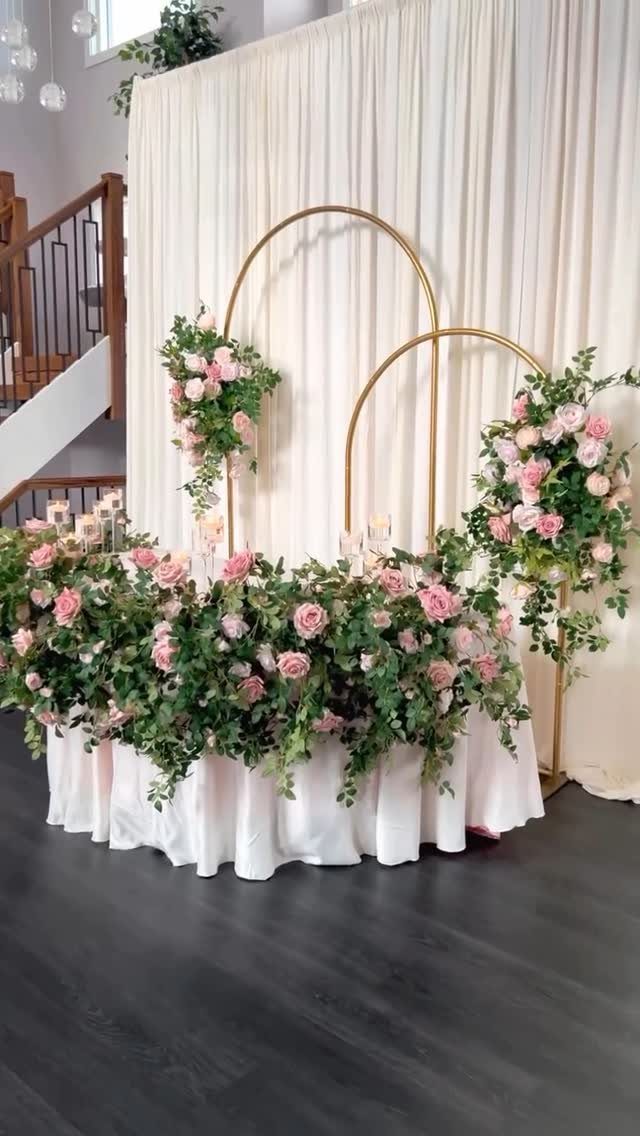
The head table backdrop is where the floral budget makes its last major statement, and guests will photograph it all night.
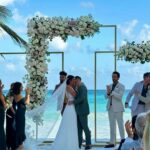
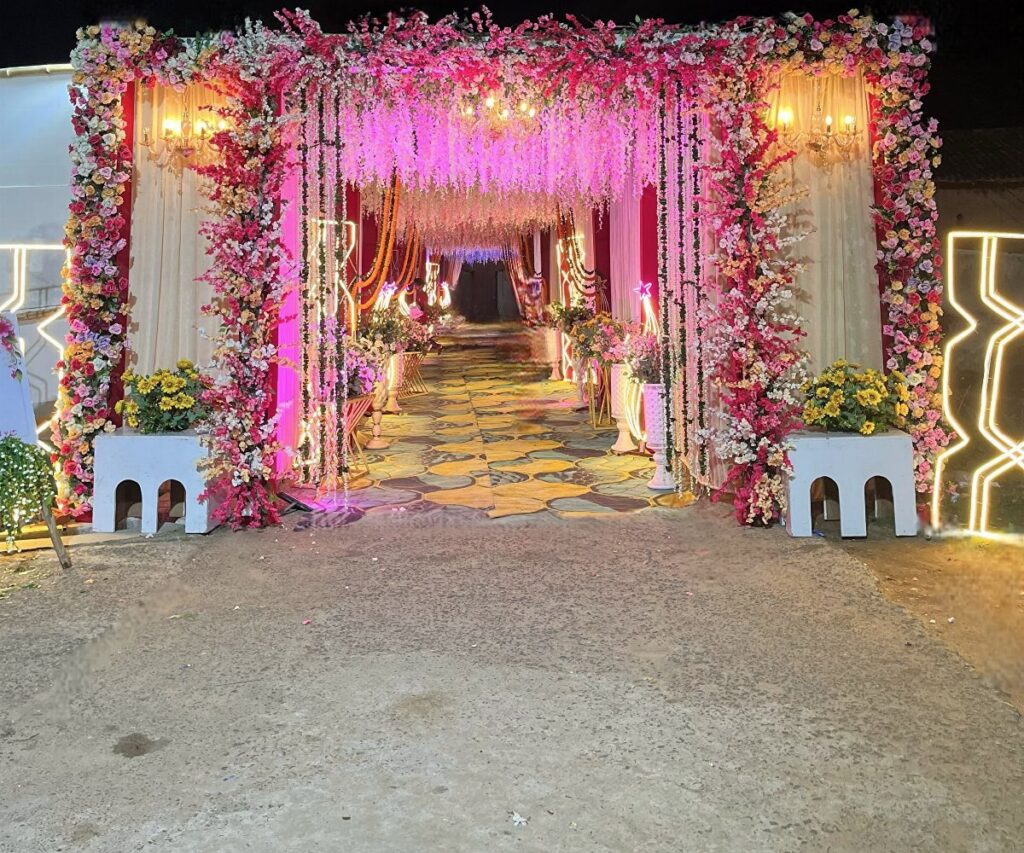
Dual arches draped with a running garland of roses and greenery frame the couple without blocking the room behind them.
Gold metal arches repeat well against most wall colors and do not compete with the flowers for attention.
A garland built on roses and seasonal greenery, matching your centerpieces, keeps the room from feeling like separate sets. The draped fabric behind softens venue walls that might otherwise show exit signs or service doors.
This scales down: one arch and a shorter garland still reads as intentional.
What it trades away is mobility; once set, the couple stays framed in that spot for toasts and cake. Check that the arch bases are weighted, especially if children or dancing guests will pass nearby.
Cost of Wedding Flowers
Flowers typically take 10-15% of the total wedding budget, though the split between decor, flowers, and greenery within that figure varies by couple.
The type of bloom, how many stems you need, and how complex the arrangements are drive most of the variation.
A florist can shift you toward cost-effective alternatives if your first choice runs high.
Seasonal flowers usually cost less than out-of-season orders that need special sourcing. Some florists also know financing options for couples whose credit limits what they can pay upfront.
I have found that being direct about the budget number, rather than hoping the proposal comes in low, saves a round of revisions.
Bring photos of arrangements you like and ask what each element costs; the arch you assumed was floral might be mostly draped fabric, which changes the price.
Choosing Seasonal Flowers
Some flowers fail in the wrong temperature, and the season should screen your list before color or style do. Hydrangeas and gardenias wilt in heat, so they are poor choices for summer weddings.
Tulips cut in spring grow heavy and droop fast. Freesias can trigger allergies in sensitive guests, which matters more in a centerpiece guests lean over than in a boutonniere worn at chest height.
Baby’s breath, ranunculus, calla lilies, and spray roses hold up well in small applications like boutonnieres. Peonies, anemones, and garden roses suit larger bridal bouquets where stem strength matters less and visual weight counts more.
Your theme and palette still decide the final pick, but starting with what the season can reliably deliver keeps you from falling for a bloom that will disappoint on the day.
Consulting with Florists
A florist takes your Pinterest board and your actual number and finds where those 2 things can meet.
I bring images of arrangements I like, then ask what each element costs and what substitutions would change the total. That conversation works better with a firm number than with a vague hope.
Florists can suggest seasonal alternatives, recommend blooms that read similar to expensive ones at a lower price, and flag financing options if your credit limits upfront payment.
The proposal you get back should list each arrangement separately so you can cut or scale without guessing.
Wedding Theme Coordination
Flowers should pull the color palette and style together across every element of the day, not match one piece and clash with another. The bridal bouquet sets the tone; other arrangements echo it at different scales.
Exotic flowers or precise color matching may require the florist to order extra stems specifically for the cake. The cake usually arrives undecorated; the florist adds flowers at the venue.
The shape of the bouquet sends its own signal: a tight dome of roses looks ballroom-appropriate, while ranunculus spilling out with stems and leaves showing reads more like something gathered that morning.
Frequently Asked Questions
What flowers are needed for a wedding?
The flowers you need depend on your season, theme, color palette, and what you personally like.
Baby’s breath, ranunculus, calla lilies, and spray roses work well for boutonnieres, while peonies, anemones, and garden roses suit larger bridal bouquets where visual weight matters more.
How much do wedding flowers cost?
Flowers typically take 10-15% of the total wedding budget, though the exact split between decor, flowers, and greenery varies by couple.
Being direct about your budget number with your florist saves a round of revisions; bring photos of arrangements you like and ask what each element costs.