
The ideas below start with what you wear and end with where you stand, with most of the space in between given over to how the garden itself becomes the decor and how much you let it lead.
What separates a garden party wedding from a garden-themed one is whether the location is doing the work or you are, and the sections that follow start with the invitation wax seal and end with the clear marquee tent that books early in peak season.
[link-whisper-related-posts]1. Garden Wedding Attire
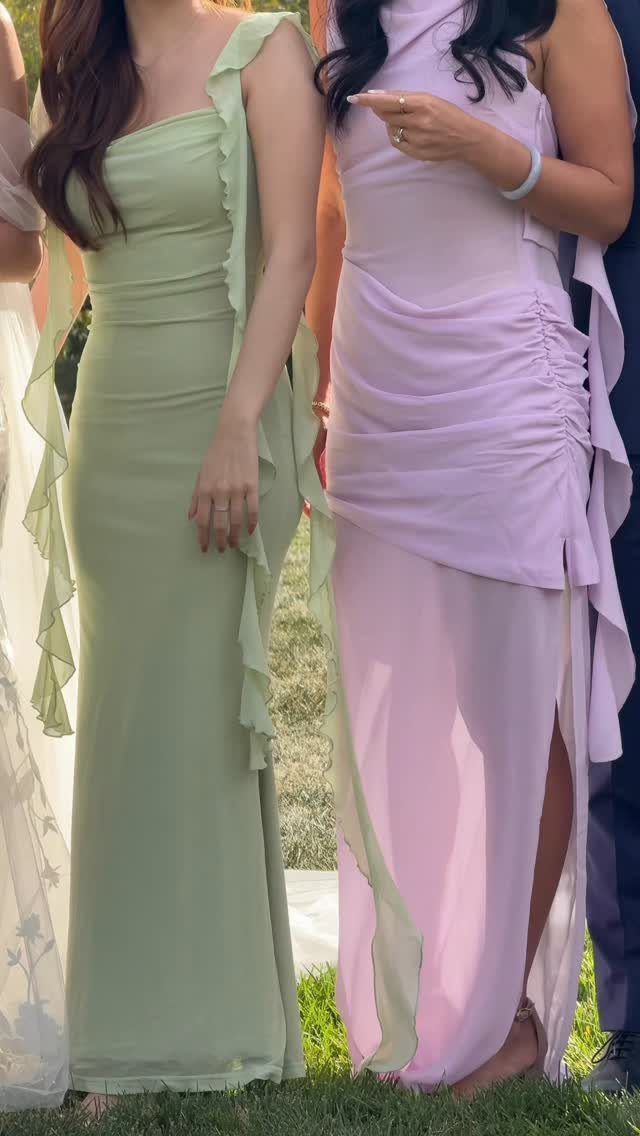
Pastel floor-length dresses in lightweight fabrics set the tone for garden wedding attire without competing with the setting.
I would put the dress code right on the invitation so guests know what to reach for: flowy cuts, botanical prints, and shoes that handle grass without sinking.
Men can swap the dark suit for light-colored dress pants and a jacket they will actually want to wear outdoors.
The detail that saves money here is that garden formal lets people rewear pieces they already own, a linen shirt or a floral midi dress, rather than renting something single-use.
Skip the stilettos entirely; wedges or block heels keep everyone upright and happy.
2. The Location
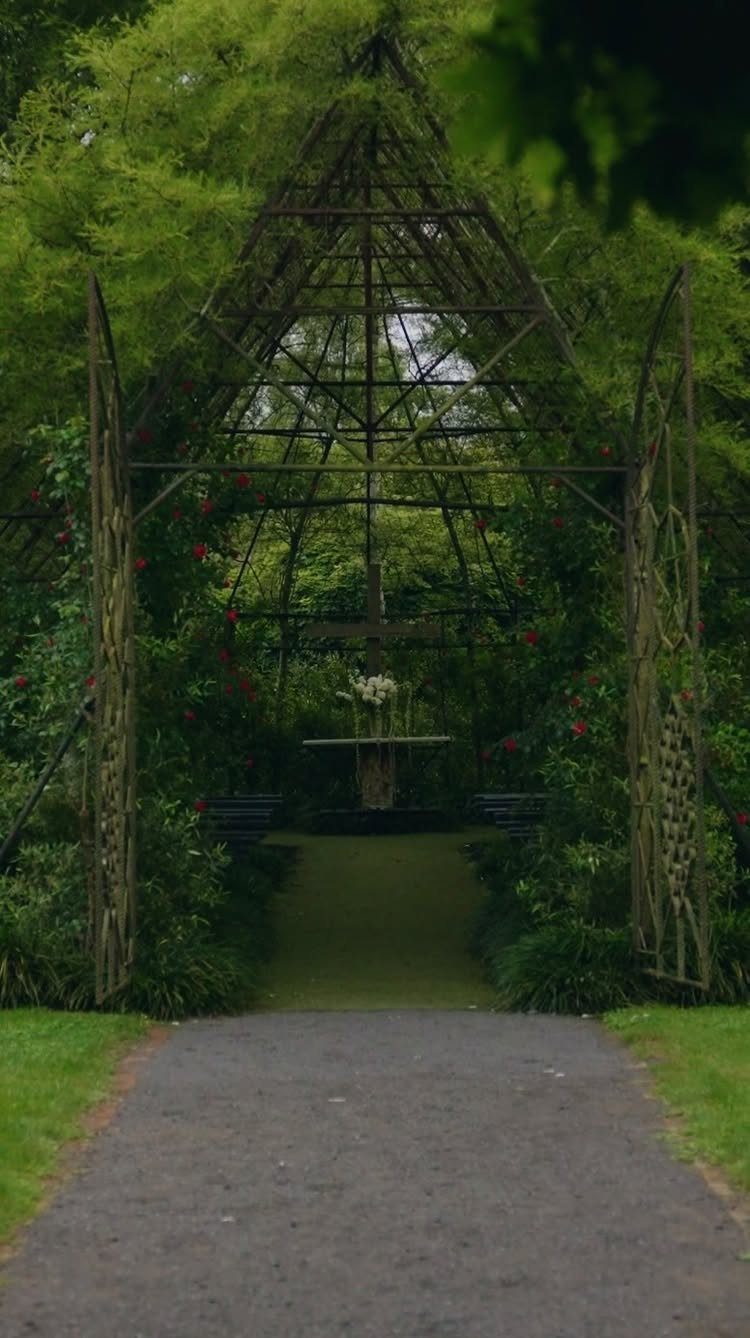
A metal trellis chapel overgrown with roses gives the ceremony its architecture, but the location only works if the season matches.
Spring and summer weddings get the full effect; fall means shorter bloom time and earlier darkness, which changes what photographs well and when guests start feeling cold.
I would visit the same month I plan to marry, not a convenient one, and check where the sun hits at ceremony hour.
If the garden lacks a natural focal point, the arbor creates one; if it already has a view, the structure can block it.
Indoor backup matters even in June, so ask what the venue actually does when weather turns, not what they promise.
3. Invitations & Styling
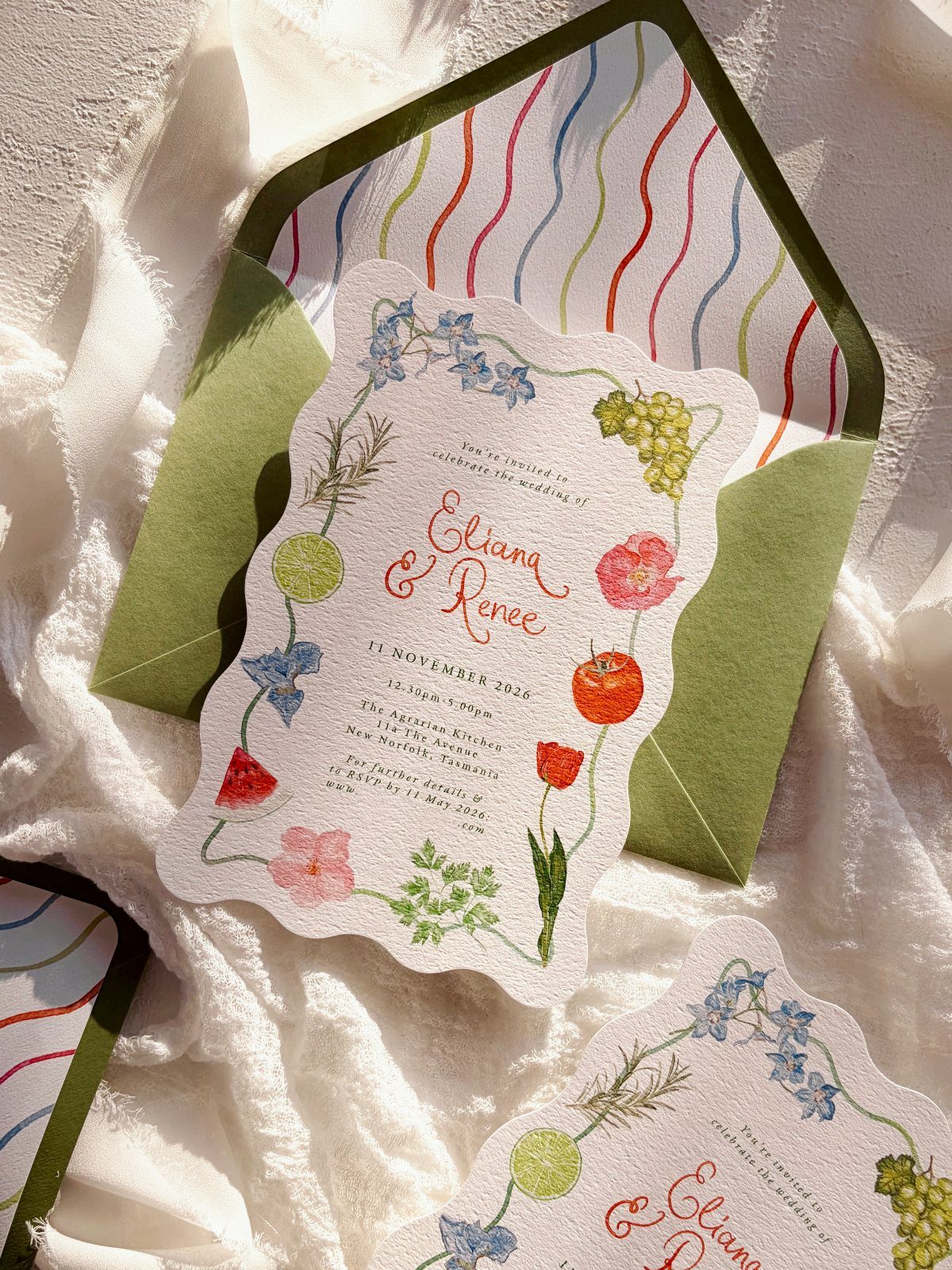
The invitation sets expectations before anyone books a flight or buys a dress.
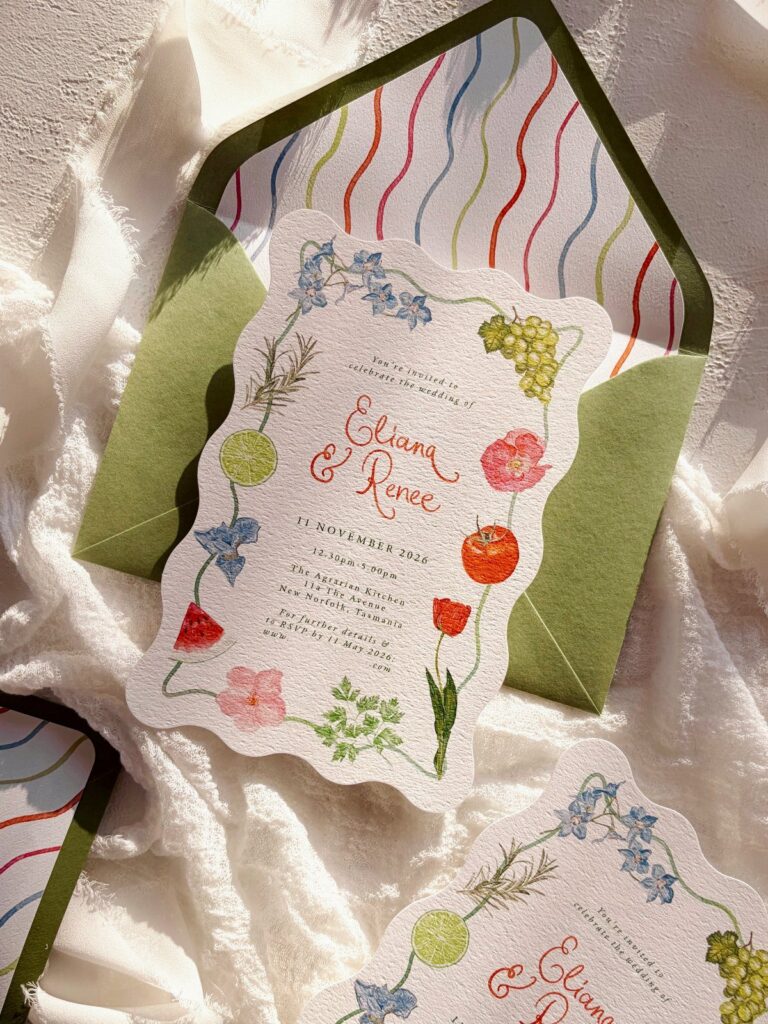
Botanical borders and wax seals with floral motifs signal garden party without spelling it out, but the formality level lives in the details: engraved script reads differently from rounded sans-serif, and that difference tells guests whether to pack a suit jacket or leave it home.
I would match the envelope liner to something visible at the venue, the green to actual lawn or the striped pattern to table linens, so the day feels continuous from mailbox to altar.
Check the weight before ordering; heavier paper needs extra postage, and that cost multiplies fast across a guest list.
4. Seasonal Flowers and Foliage
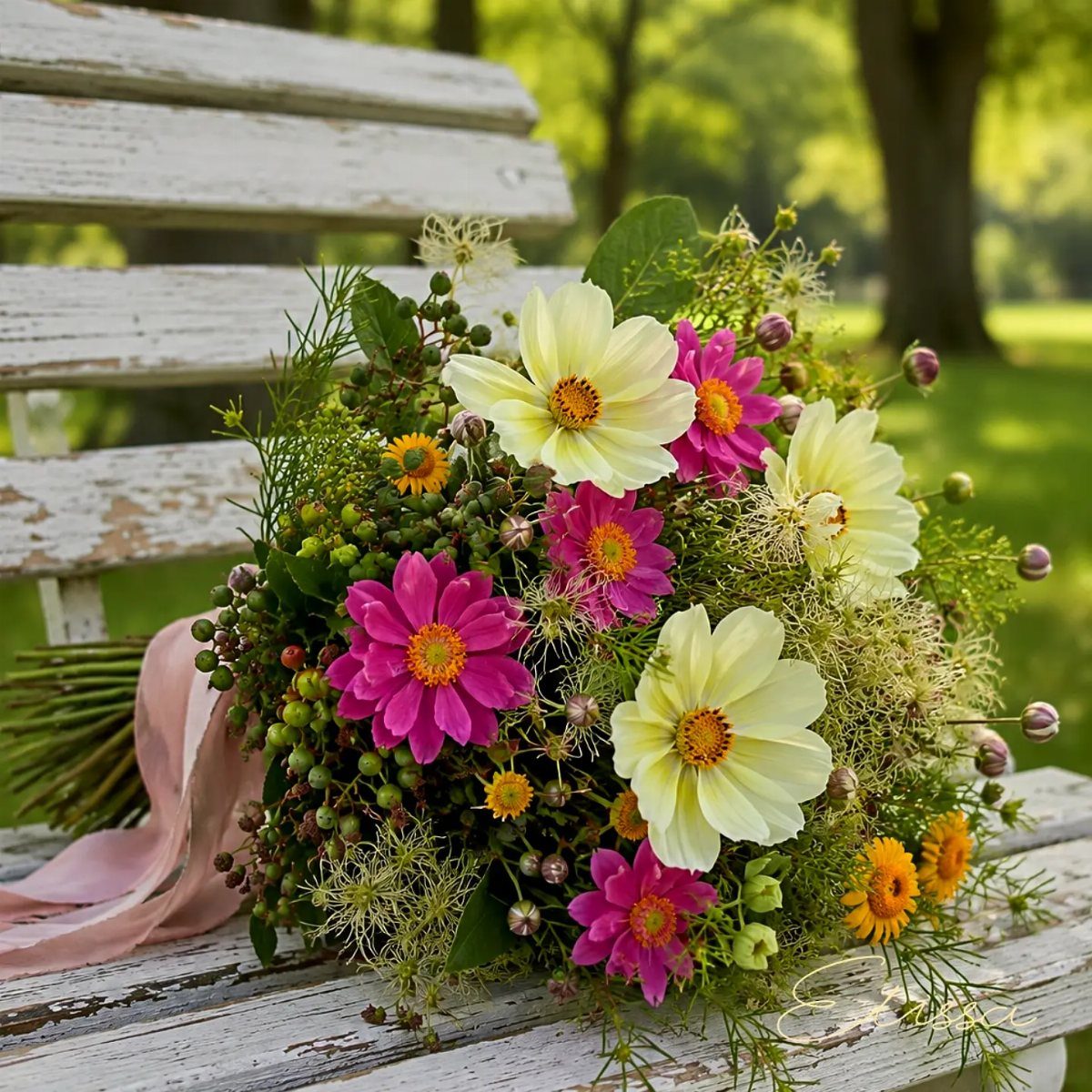
Seasonal blooms tie the wedding to the actual garden instead of importing a generic look. Spring and summer ceremonies get peonies and roses; fall shifts to dahlias and chrysanthemums with foliage that has already started turning.
The practical advantage is cost, local in-season flowers skip the import markup, and they hold up better through a long day outdoors.
I would ask my florist which stems are reliable in heat if the ceremony runs afternoon, and which ones droop fast no matter what.
Potted plants as aisle markers or table accents can relocate to your home garden afterward; cut flowers cannot.
5. Communal Dining and Interactive Food Stations
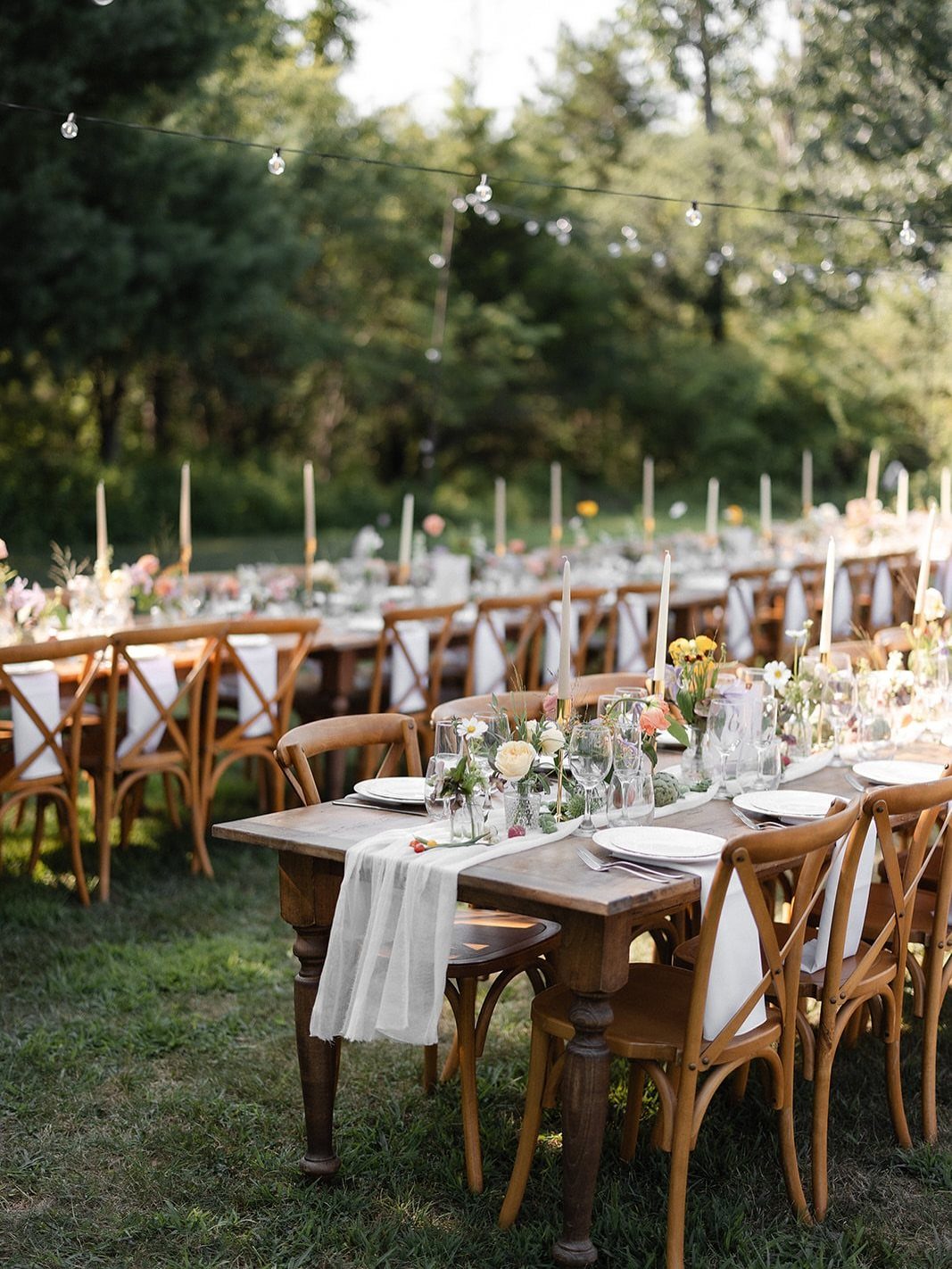
Long farm tables with shared platters turn dinner into something guests actually talk through instead of staring at a single plate in silence.
Cross-back chairs, tapered candles, and small arrangements spaced low enough for conversation across the runner keep the table intimate; string lights overhead stretch the usable hours past sunset without turning the space into something else entirely.
Family-style service needs bigger platters and more of them, which affects rental quotes, but saves the labor of plated service.
I would ask my caterer about food stations too, a carving board or a pasta moment where guests stand and choose, which breaks up the seated stretch and suits mixed company that does not all know each other.
6. Floral-inspired Wedding Gown
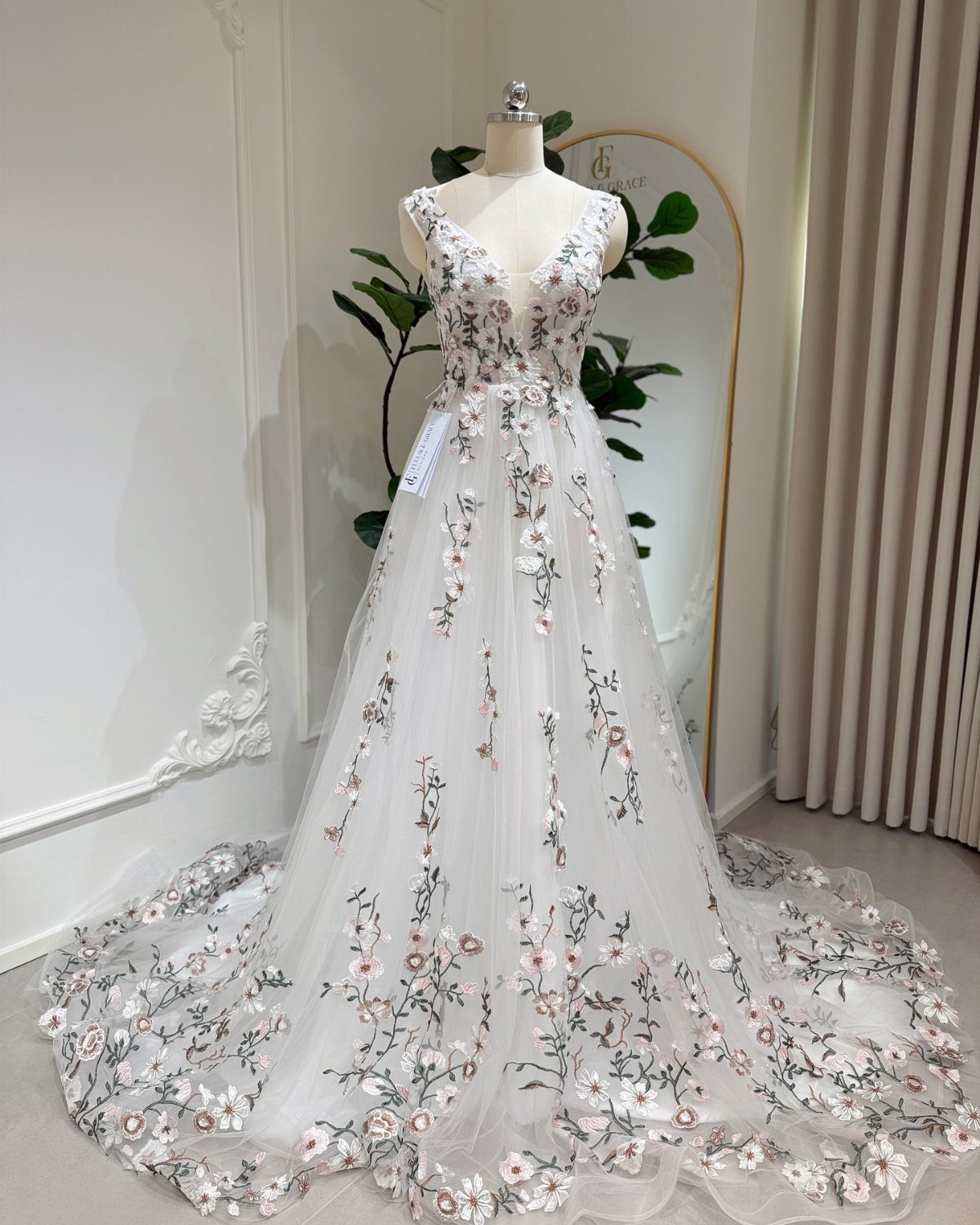
A gown with floral embroidery or 3D appliqués reads as garden-appropriate without requiring a full costume change from traditional white.
Tulle and organza catch outdoor light in ways heavier satins do not, and the movement matters when you are walking on grass instead of a carpeted aisle.
I would choose pastel accents that appear in the actual landscape, soft pink if roses are blooming, pale yellow if the season runs to early daisies, so the bride belongs to the setting rather than floating above it.
The detail to negotiate with your seamstress is the train length; anything that drags collects debris from lawn to dance floor.
7. Personalized Wedding Stationery
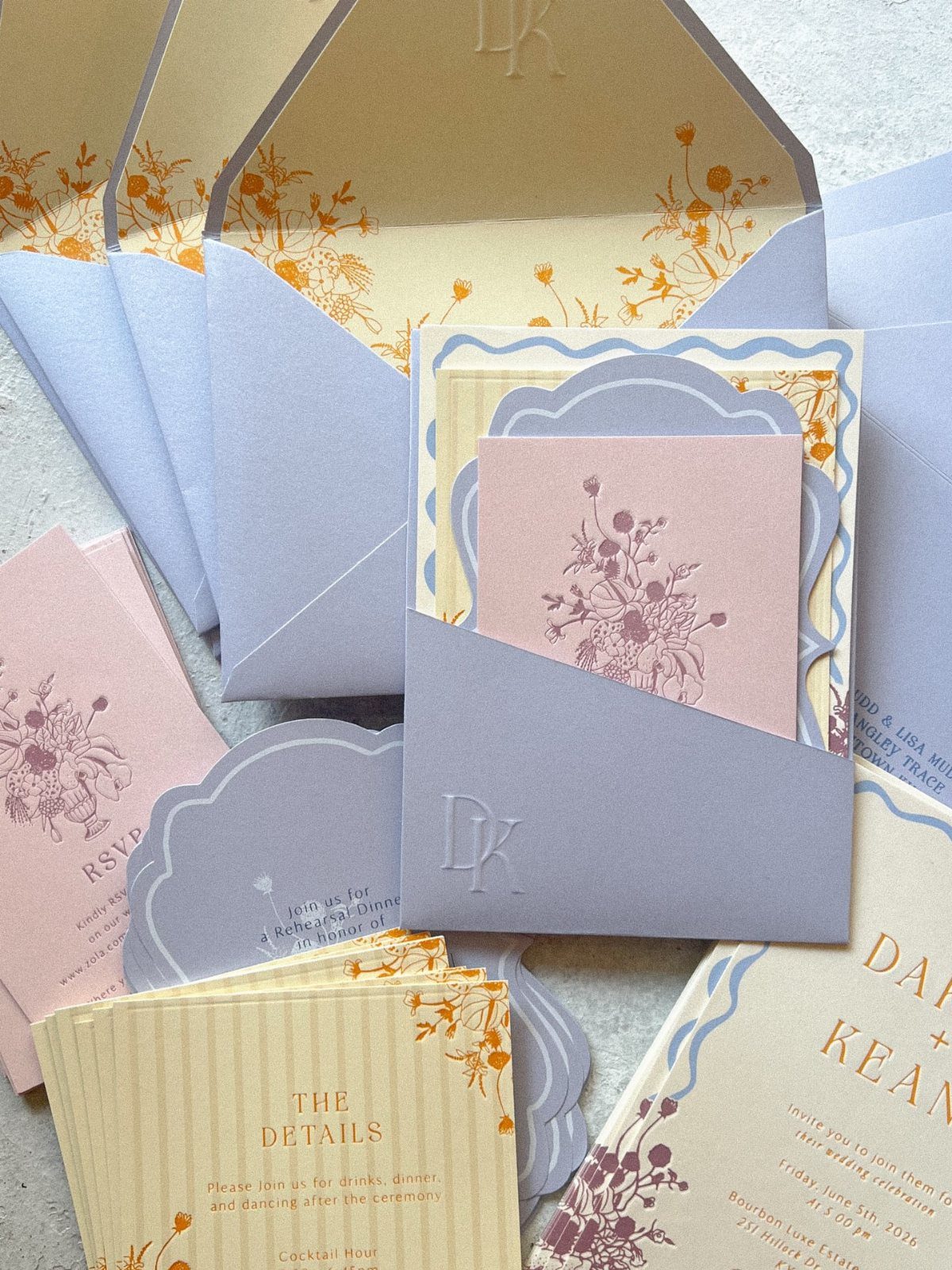
Botanical motifs on every piece of paper, from the save-the-date to the place card, make the wedding feel planned rather than assembled.
I would carry one specific plant through the whole suite, lavender if it grows near the venue, so the design has a reason beyond looking pretty.
Watercolor washes read softer than sharp illustration for garden settings; pressed flowers are beautiful but raise the price fast and can crack in the mail.
Ask your stationer for a digital proof held against actual envelope color, screen to paper is where mismatches hide.
The liner pattern can reappear on menu cards or signage at the venue, which ties the day together without extra design fees.
8. Open-air Lawn Reception Setup
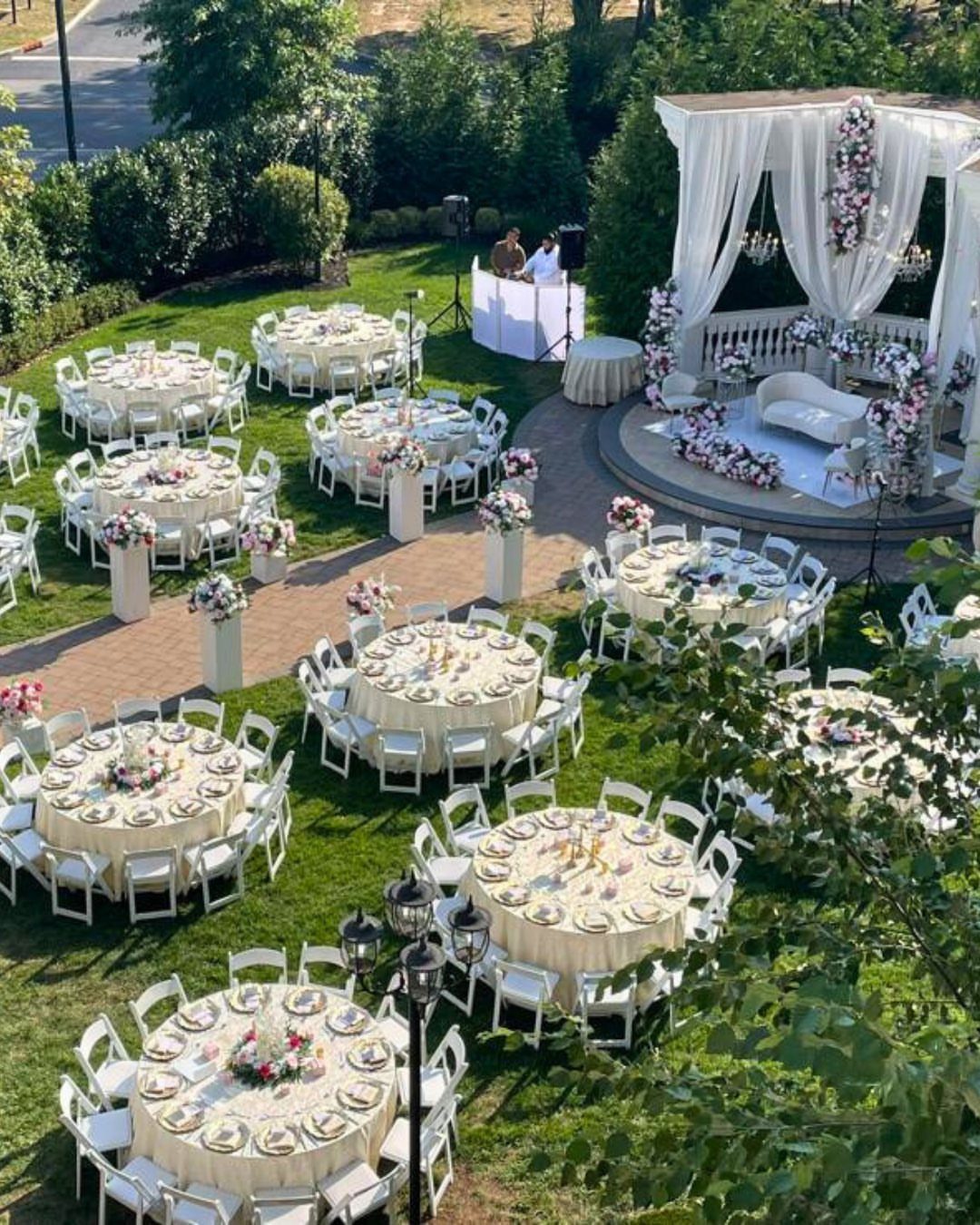
Round tables on grass need flooring decisions first; chair legs sink, heels catch, and a light rain turns everything to mud an hour before guests arrive.
I would ask the venue whether they lay subflooring or expect you to rent it, since that cost lands separately and books early in peak season.
The aerial view shows a central canopy over what looks like a head table or stage; that draped structure defines the space but also blocks the sky, so decide whether the open air matters more than the focal point it creates.
String lights between trees or poles stretch the evening without changing the setup’s character.
9. Garden Lawn Ceremony Setup
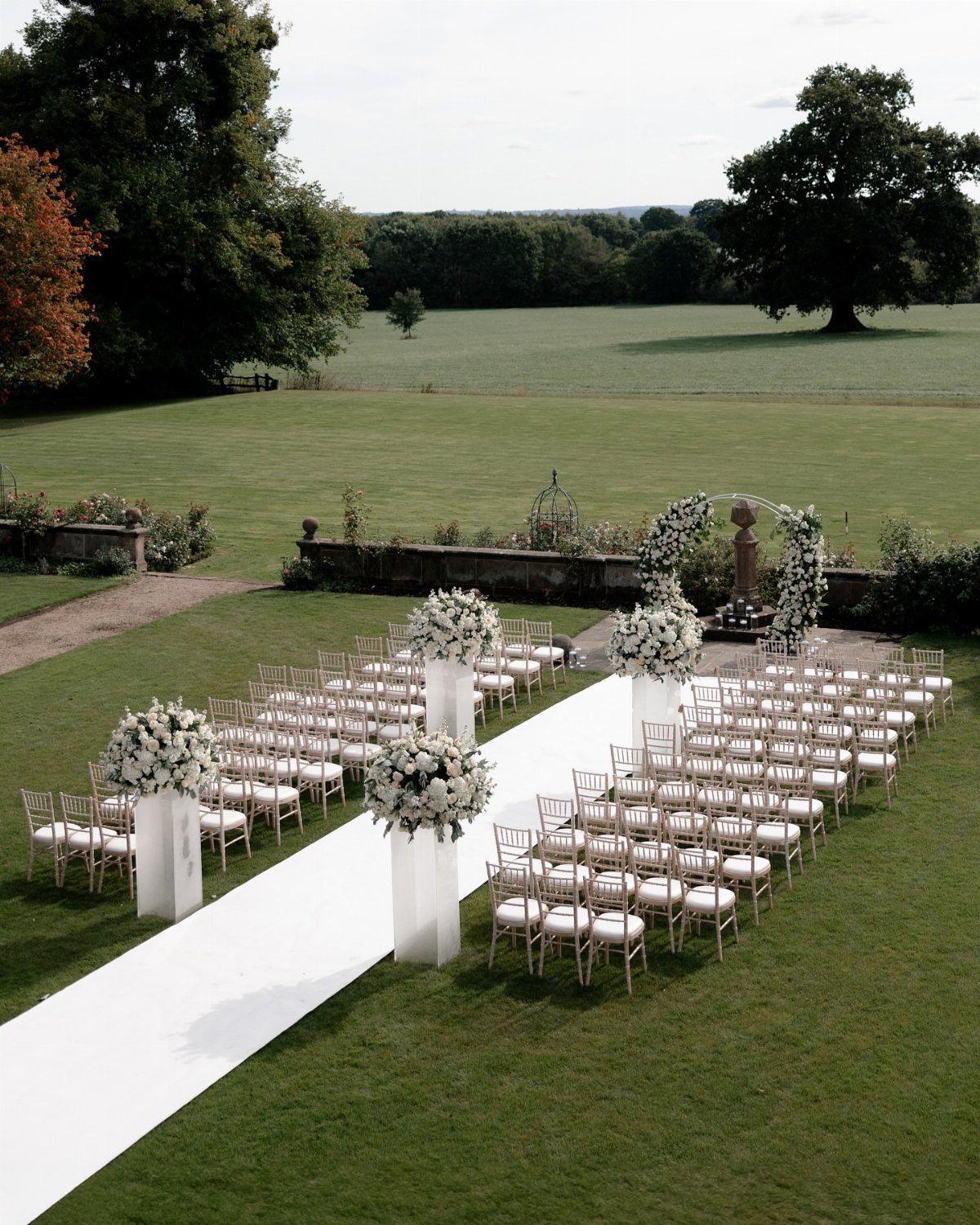
A white aisle runner on grass is beautiful until it shows every footprint; Chiavari chairs look delicate but weigh enough to stay put in breeze.
I would walk the aisle in my ceremony shoes during the site visit, since runner texture changes how a heel behaves and that surprise belongs in rehearsal, not procession.
Ask whether the venue provides the arch, the florist builds it, or you rent separately, because three vendors touching one structure is where timing conflicts start.
Indoor backup, even for a lawn this manicured, is not optional: rain on white linen turns transparent fast.
10. Hanging Lanterns and Fairy Lights
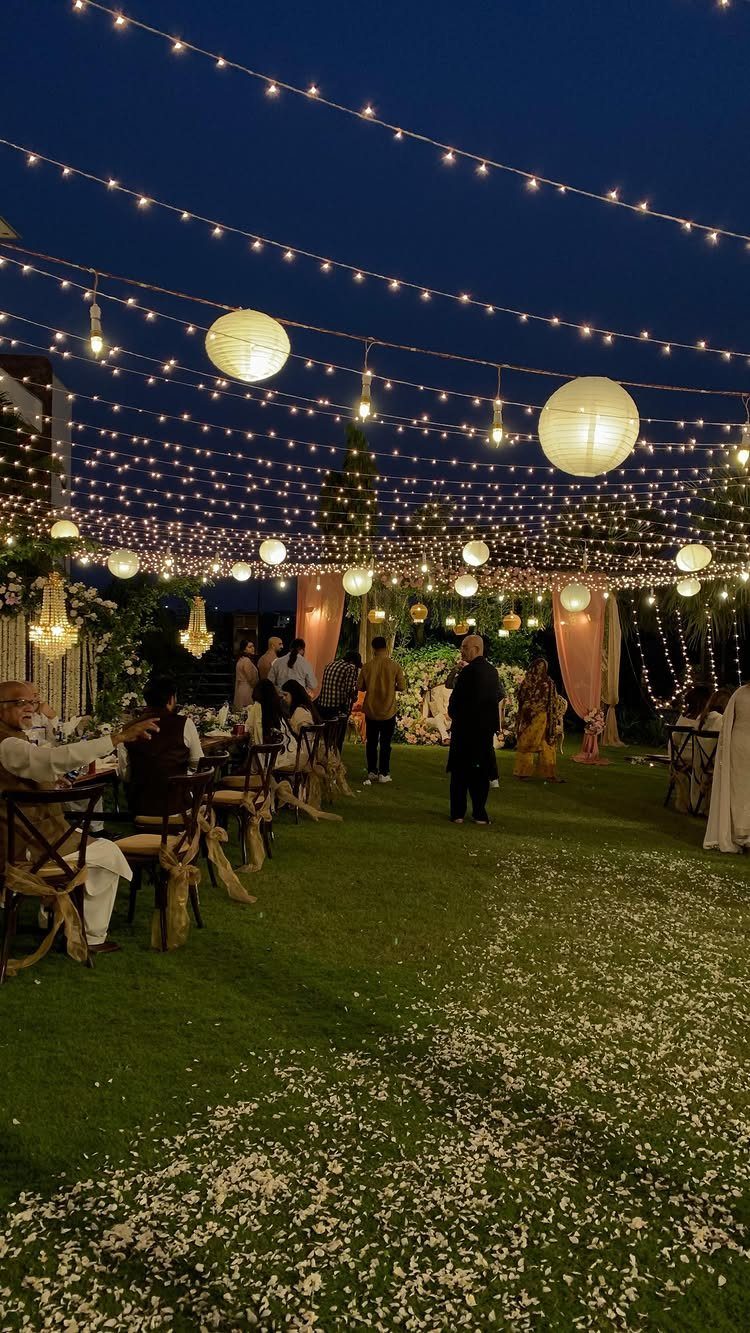
Warm bulbs overhead let dinner run past sunset without switching to something that feels like a different party.
Paper lanterns need wind rating; fairy lights need trees or poles with power access, and both can work together rather than choosing one.
I would calculate wattage or ask my rental company to, since too dim and guests cannot see their food, too bright and the garden disappears. Battery-operated candles on tables below add depth without running cords where waiters step.
The transition from natural to artificial light happens once; test it in advance if the venue allows, or arrive early enough to adjust before the first guest walks in.
11. Mossy Tree Ceremony Backdrop
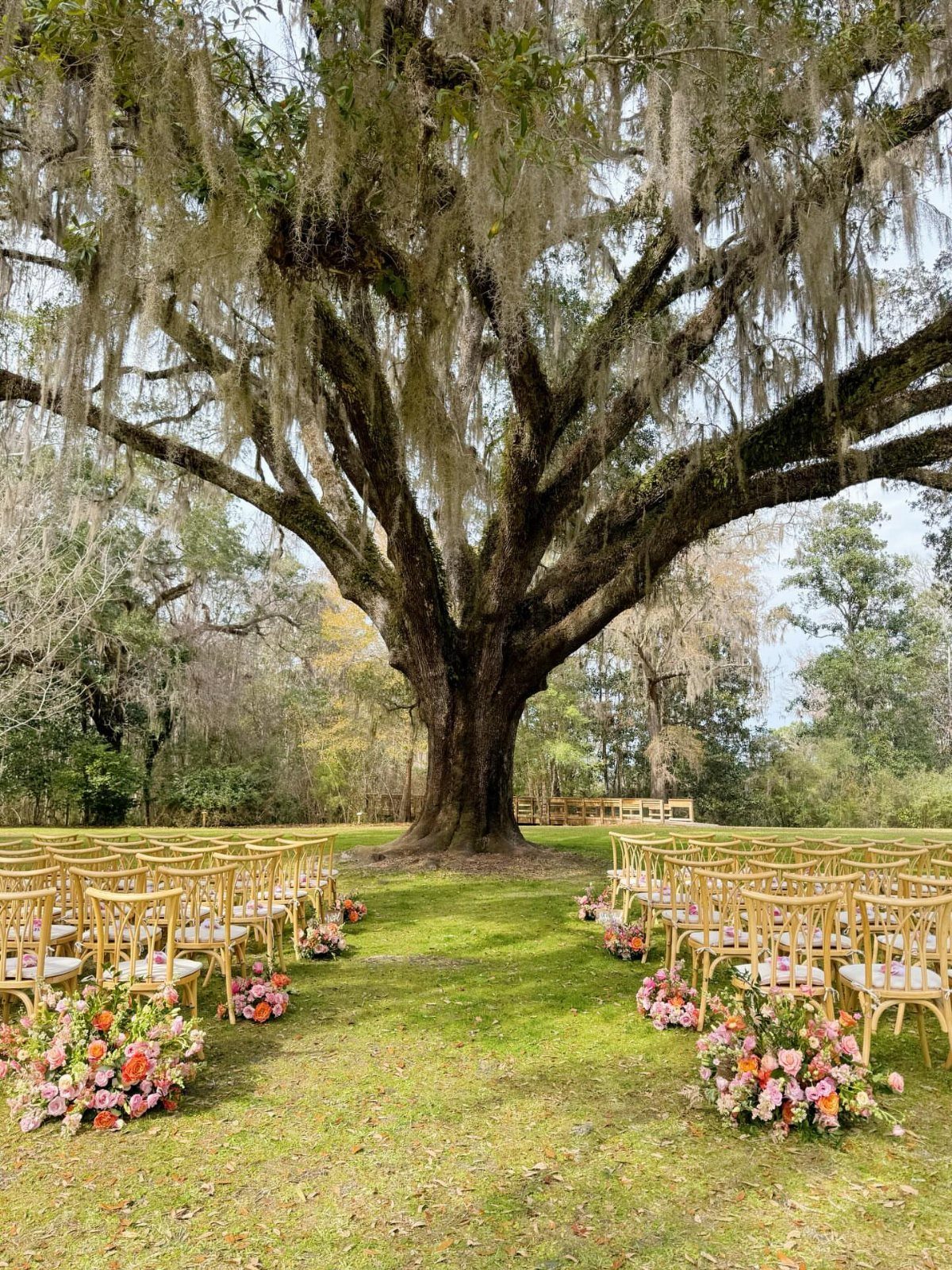
A live oak with its own moss colony needs no decoration to read as ceremony space; subtle florals acknowledge the tree rather than competing with it.
I would check the sun’s position at ceremony hour, since dappled shade becomes harsh spotlight depending on the angle, and mossy trees often sit where light filters directionally.
Wooden chairs on grass are heavier than Chiavari and harder to move, but they do not sink or blow over.
The season matters less here than for flower-heavy setups; moss holds color year-round in humid climates, though drought can brown it. Ask the venue about irrigation schedules so your ceremony does not run during sprinkler time.
12. Clear Marquee Ceremony Tent
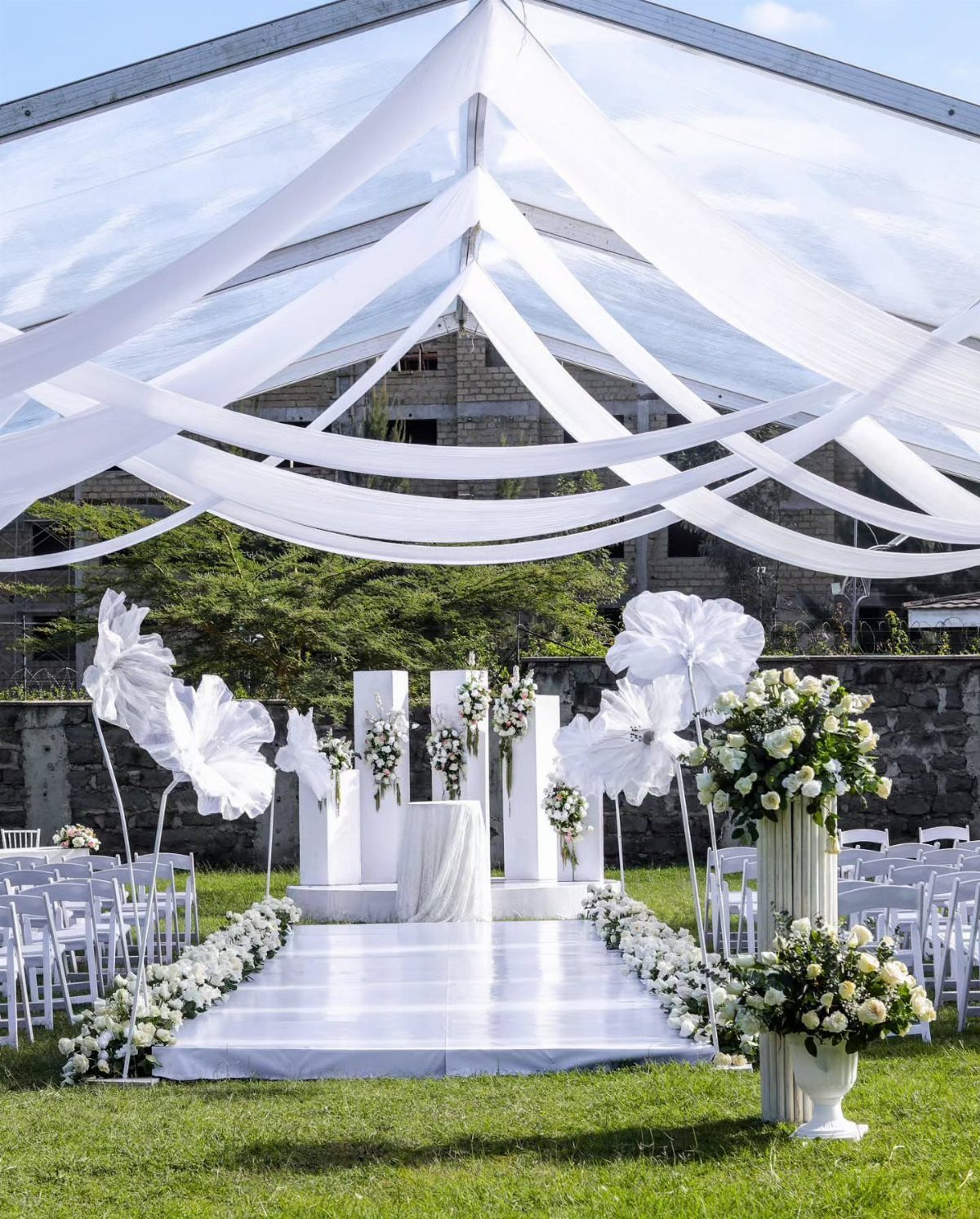
Clear walls keep the garden visible while blocking rain; draped white fabric softens the tent frame into something that photographs as intentional rather than emergency.
Confirm what the quote includes, since flooring, draping, lighting, and floral installation are separate systems that some vendors bundle and others do not.
The glossy white aisle runner reflects light differently under a roof; test shoe traction, since tent flooring can be slick and the runner adds a surface change guests do not expect.
Large white floral decorations on the grass, visible at the aisle edges, are a detail I would skip or commit to fully; partial decoration near the ground reads as dropped rather than placed.
Advice for Guests
A garden wedding guest who dresses only for the ceremony hour is stuck sweating or shivering through the rest.
I would check whether the invitation lists a start time or a full schedule, since afternoon ceremonies that run to evening need a layer that actually works, a light cardigan or a linen blazer that can come off and go back on.
Breathable fabrics matter more than the silhouette; chiffon and lightweight cotton handle sun and breeze better than anything structured or lined.
Men in a colored dress shirt and bow tie read as garden-appropriate without the full suit, but the same shirt in synthetic fabric turns sticky fast.
Knee-length cuts for daytime keep grass stains off hemlines, and full-length gowns suit evening starts where the temperature drops.
The detail to confirm with the couple is how formal "garden formal" actually is at their wedding, since the term shifts by crowd and region.
Venue Selection Tips
A botanical garden venue sells itself on existing beauty, which only helps if the beauty is where you need it.
I would walk the full guest path from ceremony to cocktail hour to dinner, not just stand at each spot separately, because gardens that look connected on a map can involve stairs, gravel, or a long walk that changes shoe choice and timing.
The natural features that save on decoration, the pond, the mature trees, the established beds, also fix where things can happen; you cannot move the oak tree if the sun hits it wrong at 4 PM.
Ask what the venue actually maintains versus what grows wild, since seasonal variation in a garden is wider than in a ballroom.
Some botanical gardens have multiple event spaces with different character; the one that photographs best at your tour may seat fewer than your list, or lack the indoor backup that the entry on lawn ceremonies already flagged as necessary.
Emphasizing Personal Touches
The small objects that make a garden wedding feel personal are the ones guests pick up and notice, not the ones they pass on a sign.
I would choose one family item or tradition and let it appear in a material form, a grandmother’s lace sewn into a table runner, a parent’s recorded music played during the ceremony, rather than scattering references too thin to register.
Tea-party china and birdcage candle holders read as garden-appropriate, but they need a reason beyond looking right in a photograph; the reason can be as simple as "my aunt collected these."
Wooden swings and printed menus work when someone actually uses them, a swing sturdy enough to actually sit on, a menu that names a dish after the couple’s first date.
The detail I would skip is anything too fragile for outdoor humidity; paper butterflies curl, and unseated wax melts.
Creating a Relaxed Atmosphere
Comfort in a garden wedding comes from what guests do not have to think about.
I would plan for grass, sun, and insect presence as givens, not as problems to solve on the day, which means seating with arms, shade that covers the whole table not just its center, and a bug plan that someone else executes.
Simplicity in the schedule helps too; long gaps between ceremony and reception work indoors where guests can wander a hotel, but in a garden they stand in heels on turf with nowhere to go.
The relaxed atmosphere the list builds through farm tables and food stations still needs someone directing traffic, a visible timeline or a brief announcement so guests know whether to sit, stand, or migrate.
Cross-back chairs and low arrangements already support conversation; the host’s job is to not interrupt it with confusion about what happens next.