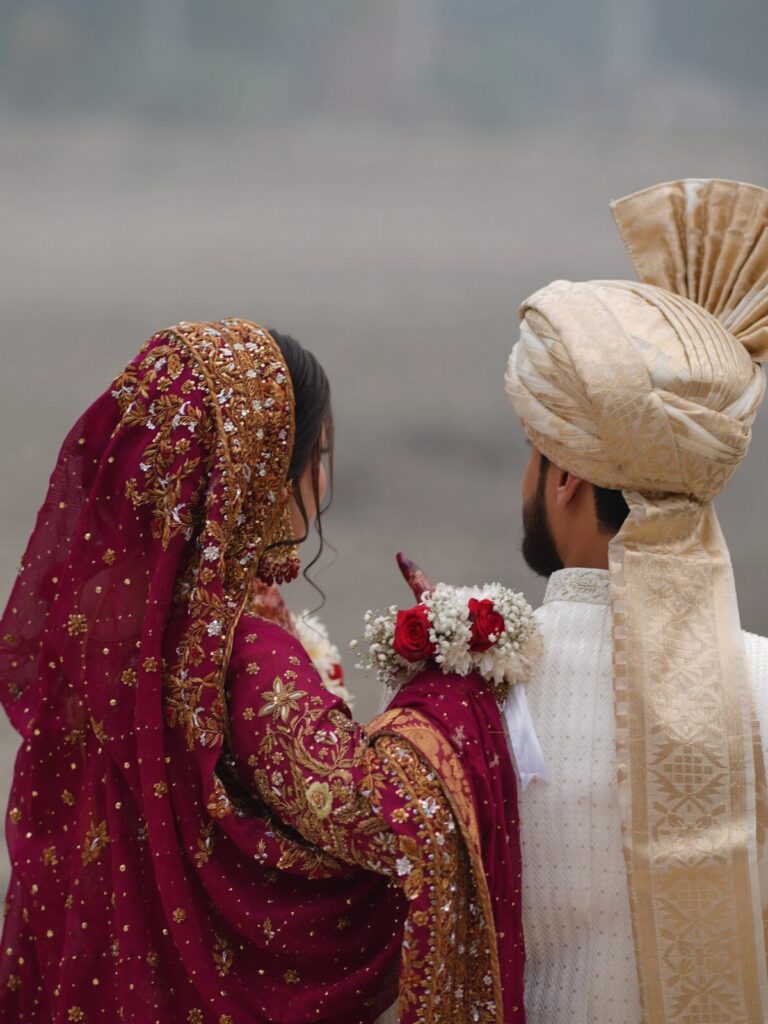
The 25 ideas below range from a planned first look before the ceremony to a candid snap during the reception, with most needing nothing more than a decision beforehand and a word to your photographer.
What separates the shot you keep from the one you skip is not budget or equipment but whether you and your partner are willing to be caught off guard.
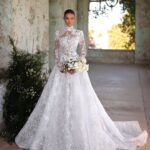
A cathedral-length veil, for example, turns an ordinary forehead kiss into a room of fabric around 2 faces.
[link-whisper-related-posts]1. The First Look
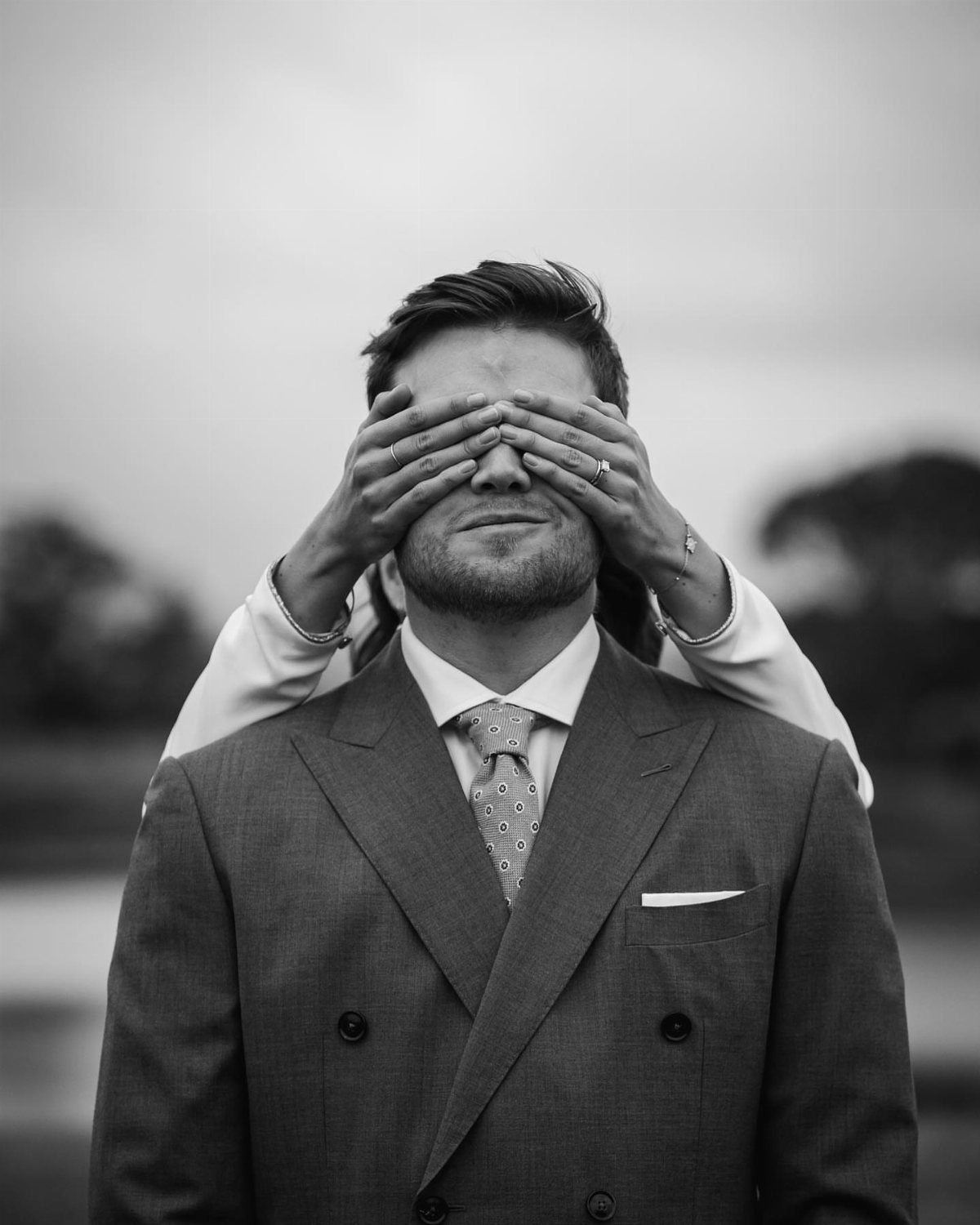
A groom stands waiting, eyes covered, while the bride approaches from behind.
The photographer hangs back, out of sight, ready to frame what happens when the hands come away. No posing, no direction, just the first raw glimpse before the ceremony steals the energy.
Most couples book this for the hour before the aisle walk.
It calms nerves and gives usable portraits while makeup is fresh. The shot that matters is the face, not the setup, so the background can be a parking lot or a garden; what reads is the reaction.
I like the blindfold version because the groom cannot peek. A shoulder tap works too, though the groom often turns early and the moment scatters.
2. The Vows
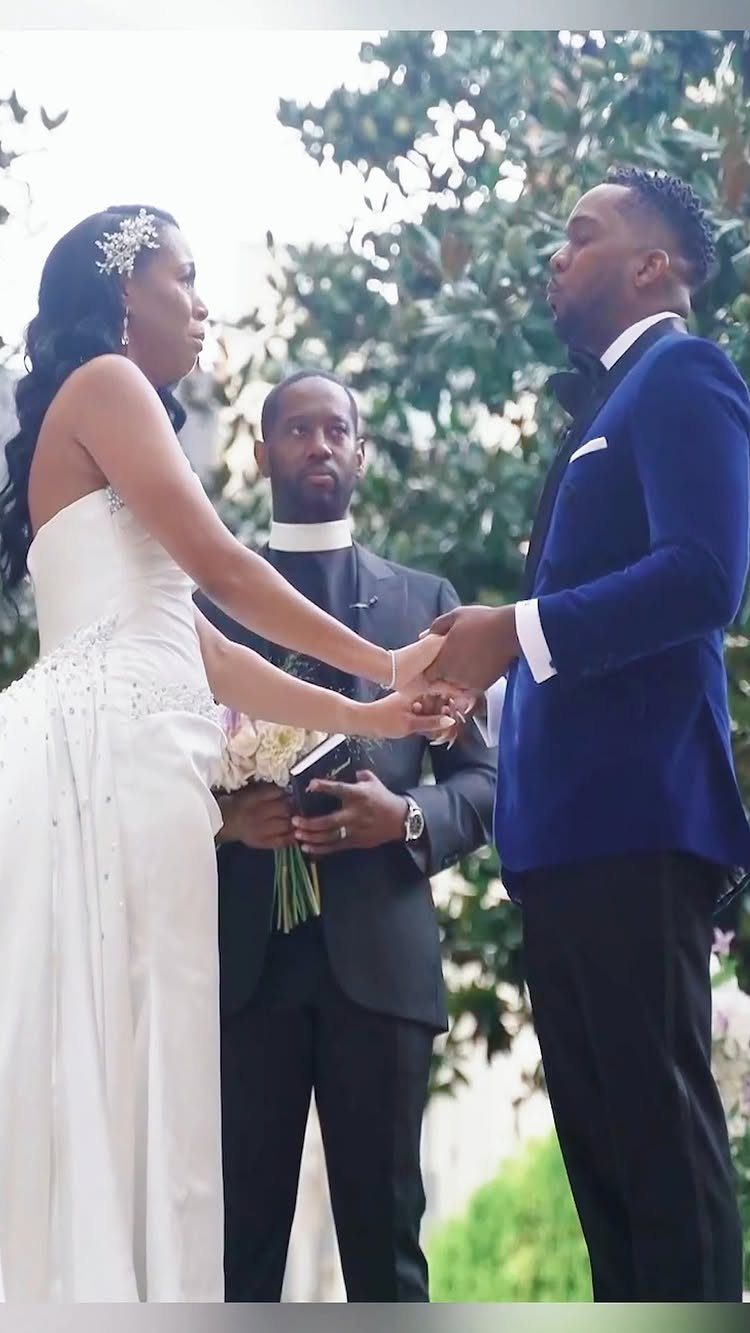
The aisle ends at an altar, and there you stand gripping hands, trying not to cry.
The best shots come when the photographer fades into the background. The shot that lasts is the one where you forgot the camera existed.
Holding hands and meeting eyes is enough; no practiced angle improves on that. Your officiant’s mic may block a profile, so a second shooter from the side catches what the front camera loses.
I printed our ceremony shots in black and white alongside the color reception photos. The mix kept the album from feeling like one long party.
3. The First Kiss
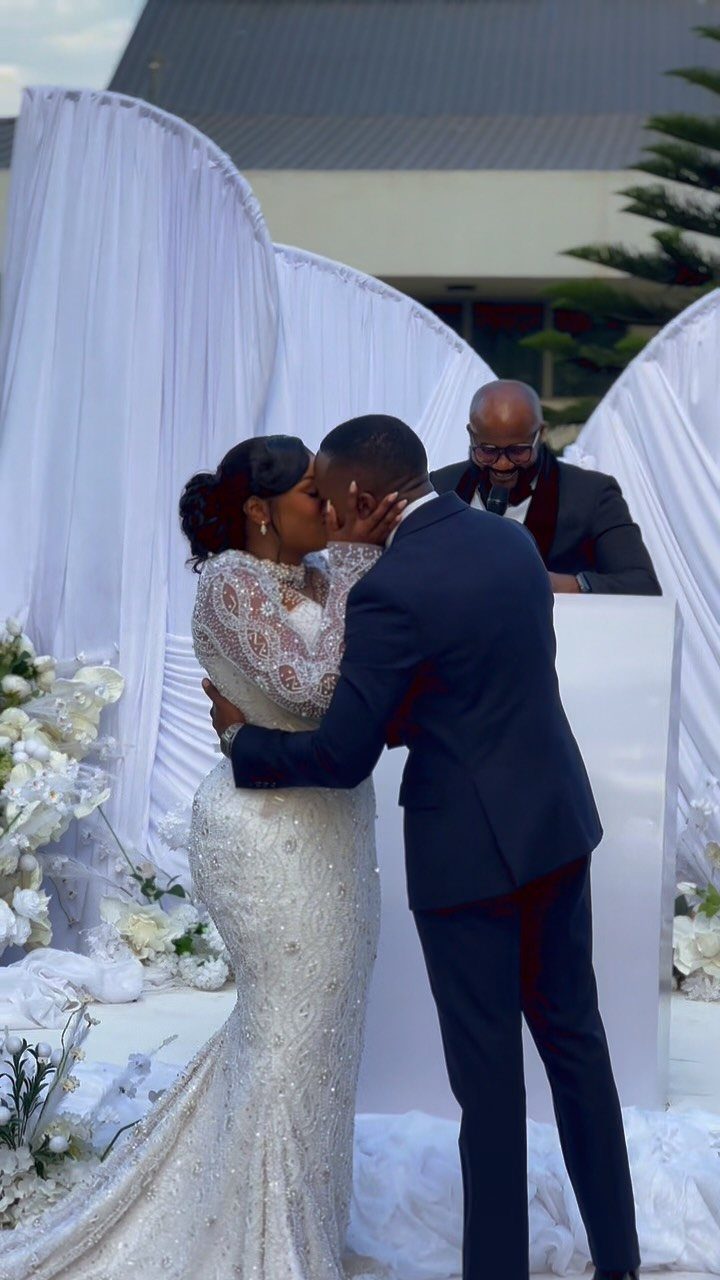
The officiant speaks the line, and you kiss.
The photographer should already be firing, not deciding settings. This is the one moment no do-over covers.
Capture the full kiss, not the lean-in that dies before contact. A fast shutter matters less than positioning; if the officiant’s head fills the frame, move or accept the compromise.
Some couples whisper a short kiss to keep it dignified, others commit long enough for the photographer to catch the arc of it. Decide beforehand which you are.
Ask yours if they will.
4. First Dance
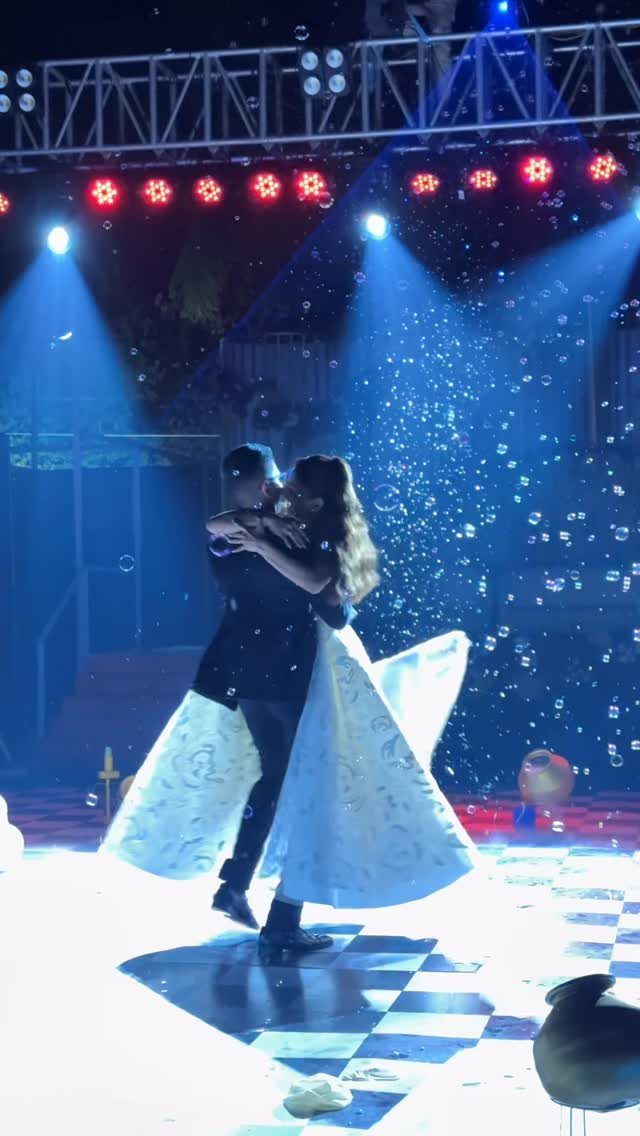
The first dance belongs to the couple, not to the choreography. Whether you practiced for months or are making it up as the band plays, the usable shots come from eye contact, not footwork.
A floor with some elevation or pattern reads better in photos than flat hotel carpet.
A patterned floor catches light and gives the image depth without extra decoration. Bubble machines or haze add atmosphere but test them first; too much and you disappear.
Guest flashes will blow out backgrounds. Warn your photographer, or better, ask guests to hold phones for this one song.
5. Under the Veil
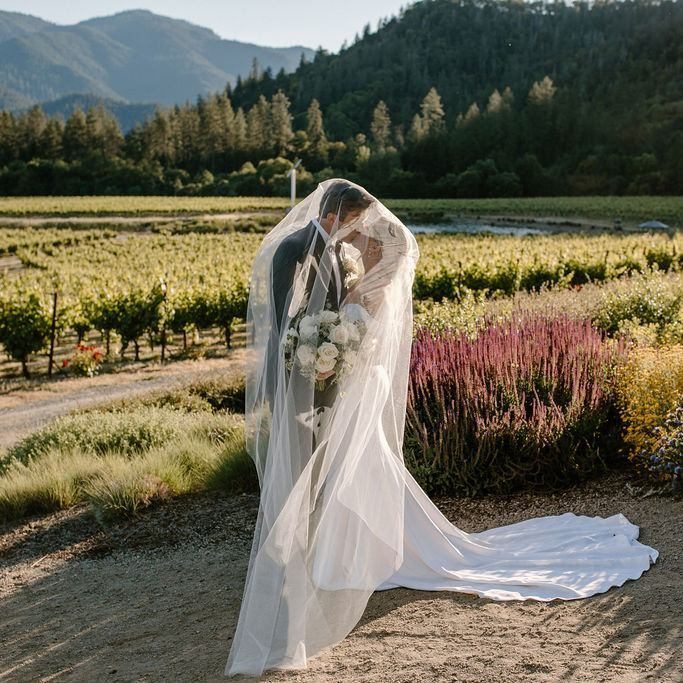
The veil becomes a room you carry with you. Lift it high enough to drape over both heads, and the world outside softens to nothing.
This needs a long veil, cathedral length at minimum, and hands free to hold it.
A fingertip-length veil will not reach. Outdoor wind helps or fights depending on direction; a helper off-camera steadies the fabric if it turns against you.
Soft greenery and muted blooms behind the couple show the setting without stealing attention.
A plain wall works the same way. The fabric’s softness around 2 faces close together is what makes the shot.
6. Send-Off with Sparklers
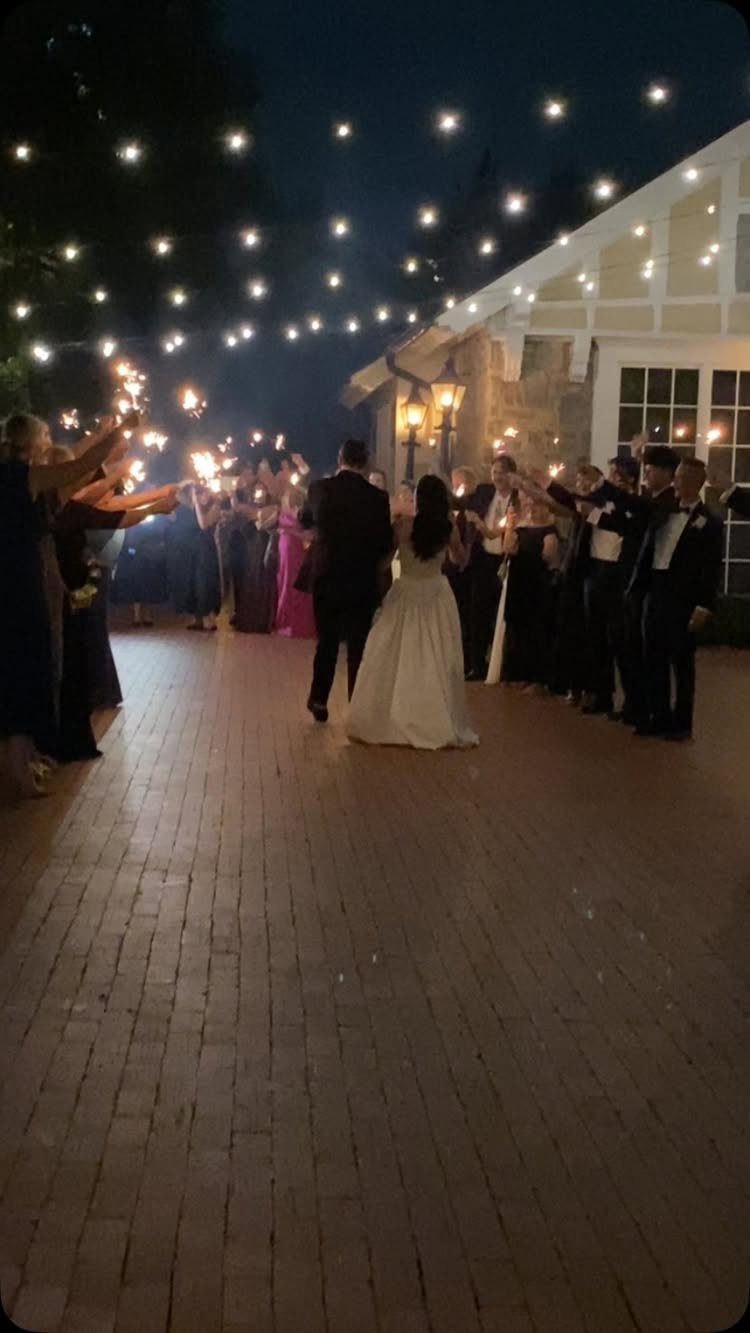
Sparklers in guest hands make a tunnel of light for your exit. The effect needs darkness, so plan this after sunset or indoors with lights down.
Guests form 2 lines, sparklers lit just before you move.
Wind lighters are worth buying; matches fail, and any fumbling at that moment kills the mood. The couple walks slowly, faster than a stroll and slower than running, letting cameras catch both faces and the sparks around them.
A brick courtyard or any textured ground reads better than smooth concrete; the light falls on something. String lights overhead add a second layer of light but are not required.
7. The Cutting of the Cake
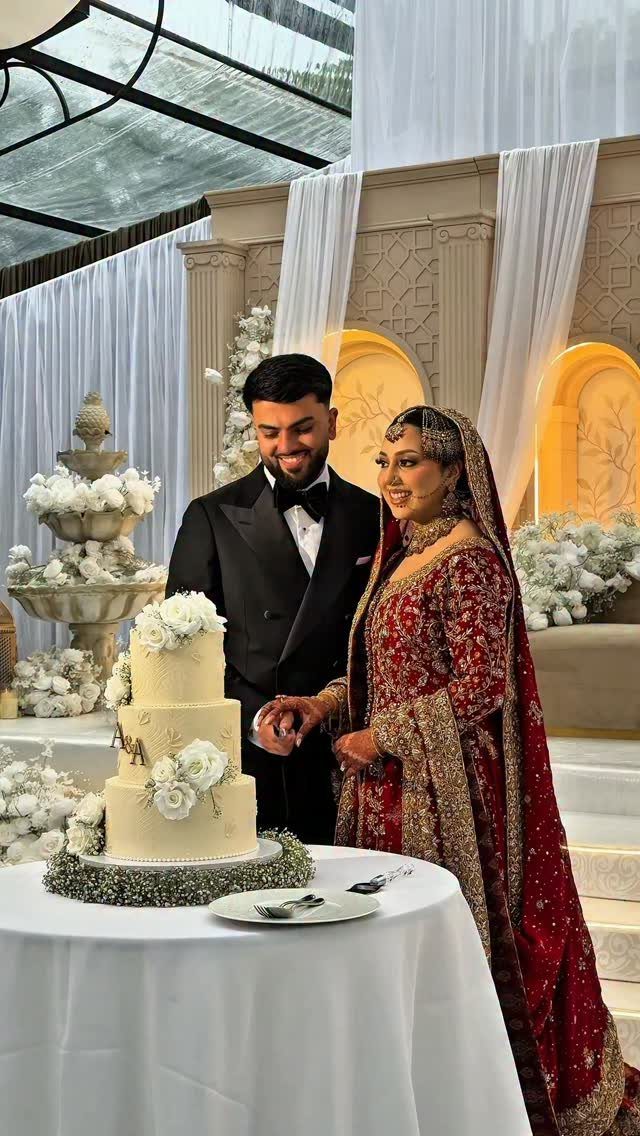
The cake table is where two people become one messy unit in front of everyone they know. The photographer should be firing before the knife touches the frosting; the approach, not just the slice, carries the weight.
Others go for the smash.
Decide which you are before the moment arrives, and tell your photographer so they know where to stand. A fountain backdrop or floral arrangement behind the table gives the shot context without crowding the couple.
I have seen too many couples freeze mid-cut, each waiting for the other to lead.
8. The Dip
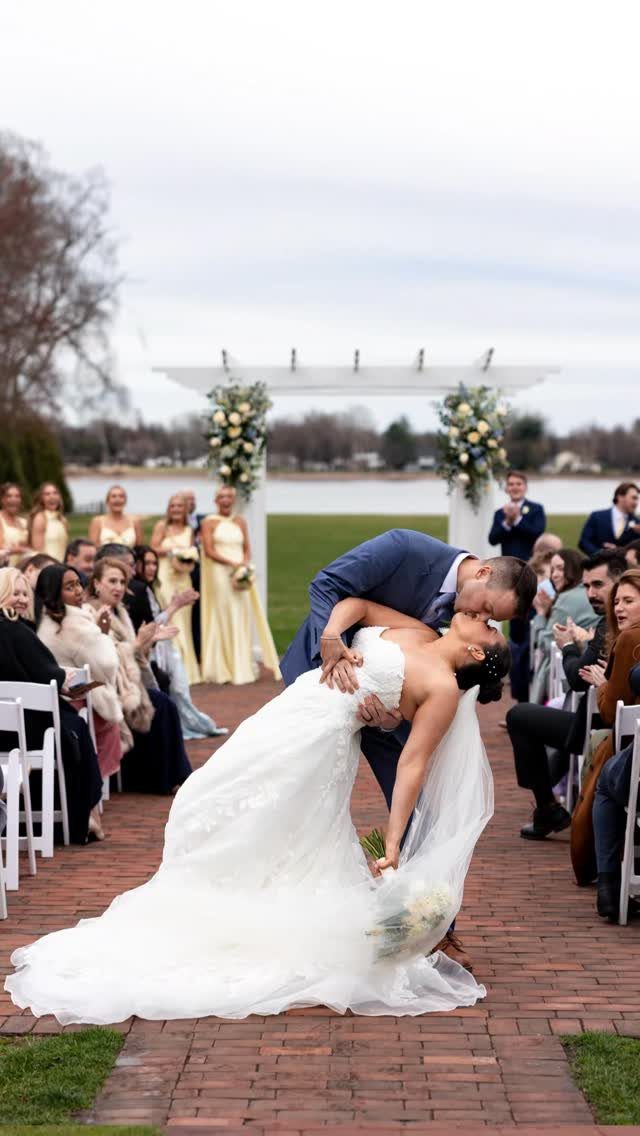
A groom lowers his bride backward, her spine arching, her dress catching light. The drama lives in the trust, not the height of the dip.
Brick underfoot or grass gives the image texture; smooth concrete flattens it. A meadow or beach stretches behind the couple and lets the pose breathe.
The groom’s eyes on the bride’s face matter more than the angle of her back; a dip where he watches the ground looks like a rescue, not a romance.
A helper should spot from behind if the ground slopes or heels are high. The pose is brief; muscle fatigue shows in the hands fast.
9. Poses with a Vintage Car
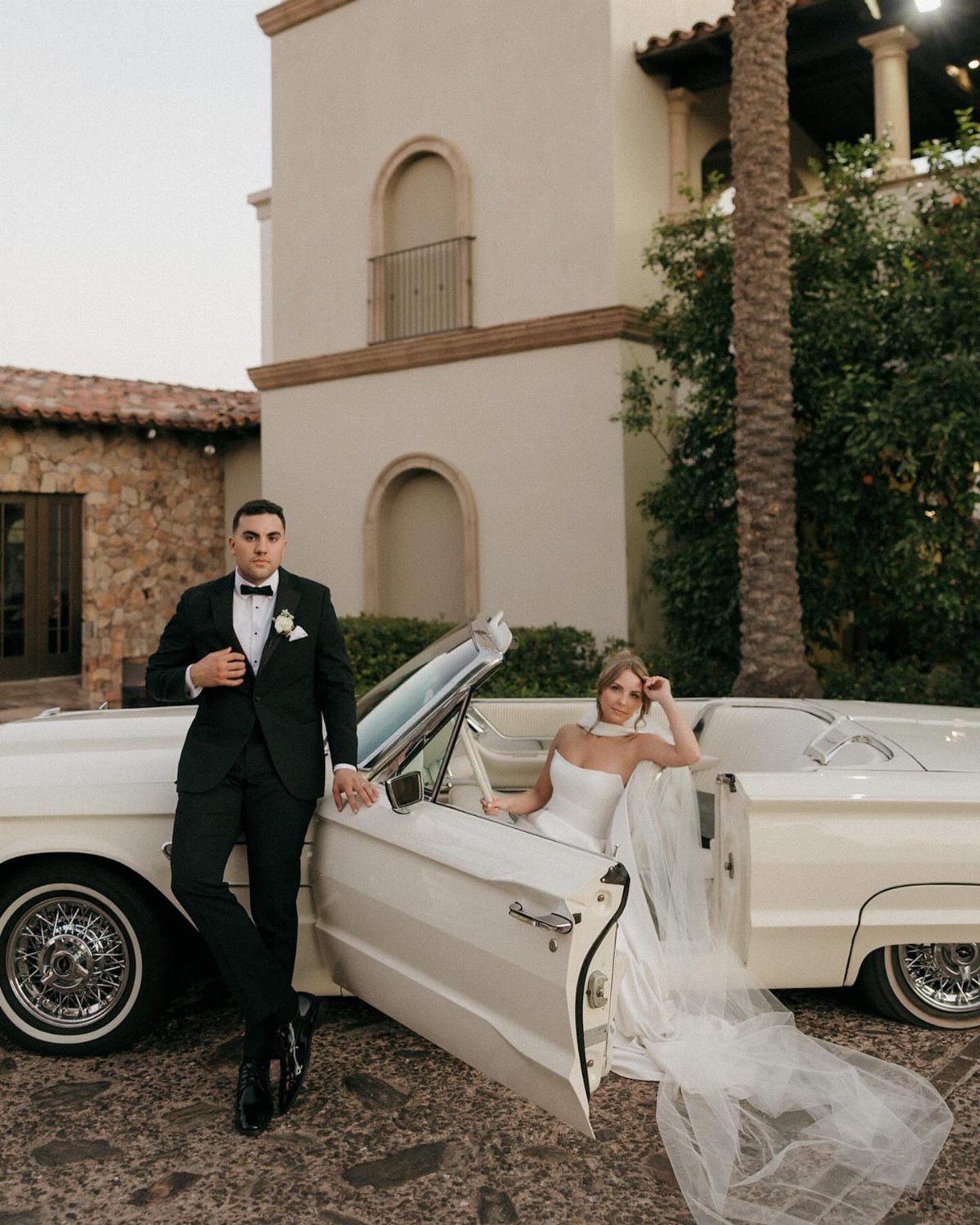
A car with history parked at your venue becomes a prop with weight. The bride seated inside, the groom at the open door, frames the couple in chrome and paint that outlasts any trend.
"Just Married" signage on the rear bumper reads as costume if the car is not genuinely old; skip it for a rental that only looks the part.
A convertible with the top down gives the photographer angles a hardtop denies. Mediterranean stucco or any pale wall behind the car keeps the metal from disappearing into trees.
The car owner may charge a placement fee; ask before you plan around it.
10. Showing Off Wedding Rings
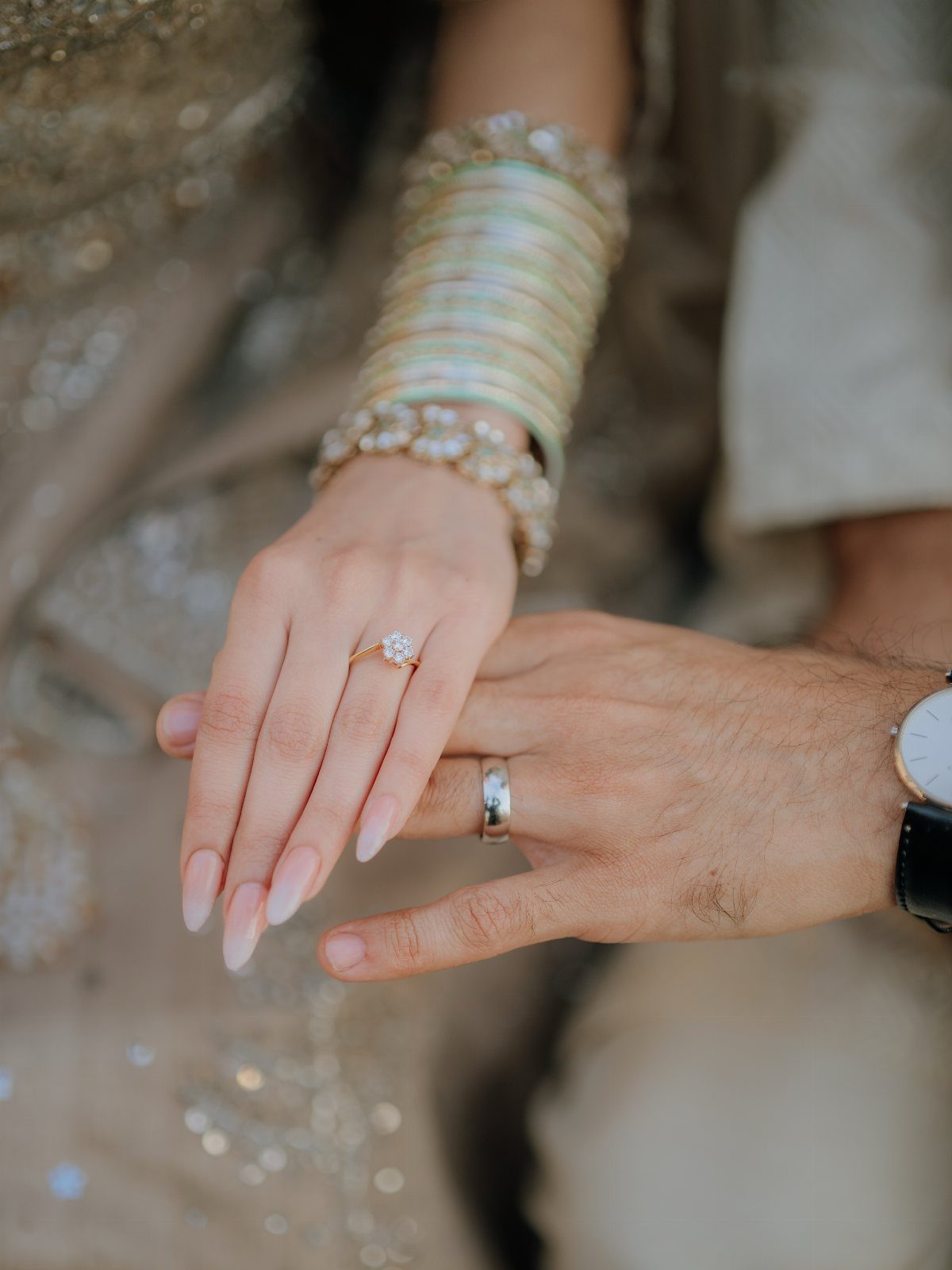
The hands tell what the wide shot cannot: the weight of the band, the setting of the stone, the choice of polish or patina.
A close-up needs clean nails and light that models rather than flattens. The bride’s bangles and manicure, the groom’s watch, these details become part of the story only if they are intentional, not accidental.
Decide beforehand if you want the hands relaxed or actively exchanging rings; the latter reads as ceremony, the former as portrait.
A neutral background, fabric or stone, keeps the eye on the metal. Busy patterns fight the focal point.
11. Forehead Kiss Pose
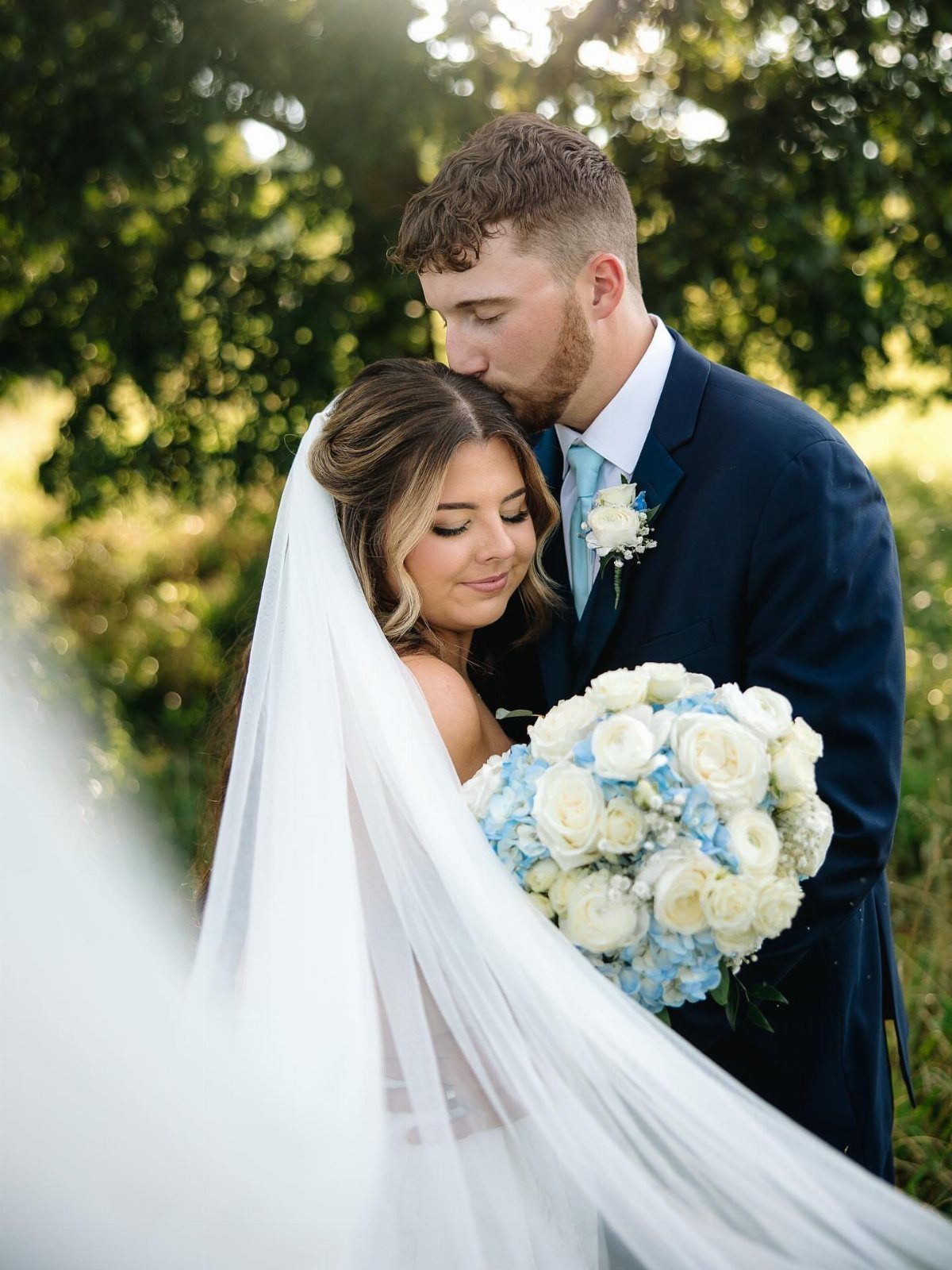
A forehead kiss is the pose for couples who stiffen under direction. The groom leans in, lips to skin or brow to brow, and the awkwardness drains out.
The bride’s bouquet becomes a natural place for her hands, giving them somewhere to rest.
A veil frames the shot and separates the couple from whatever chaos waits outside the frame. Outdoor light softens the intimacy into something a camera can hold without intrusion.
This pose fails when the groom is much shorter; the geometry turns comic. A step or slope under the bride corrects it, or choose a different close-up.
12. Head on Shoulder Pose
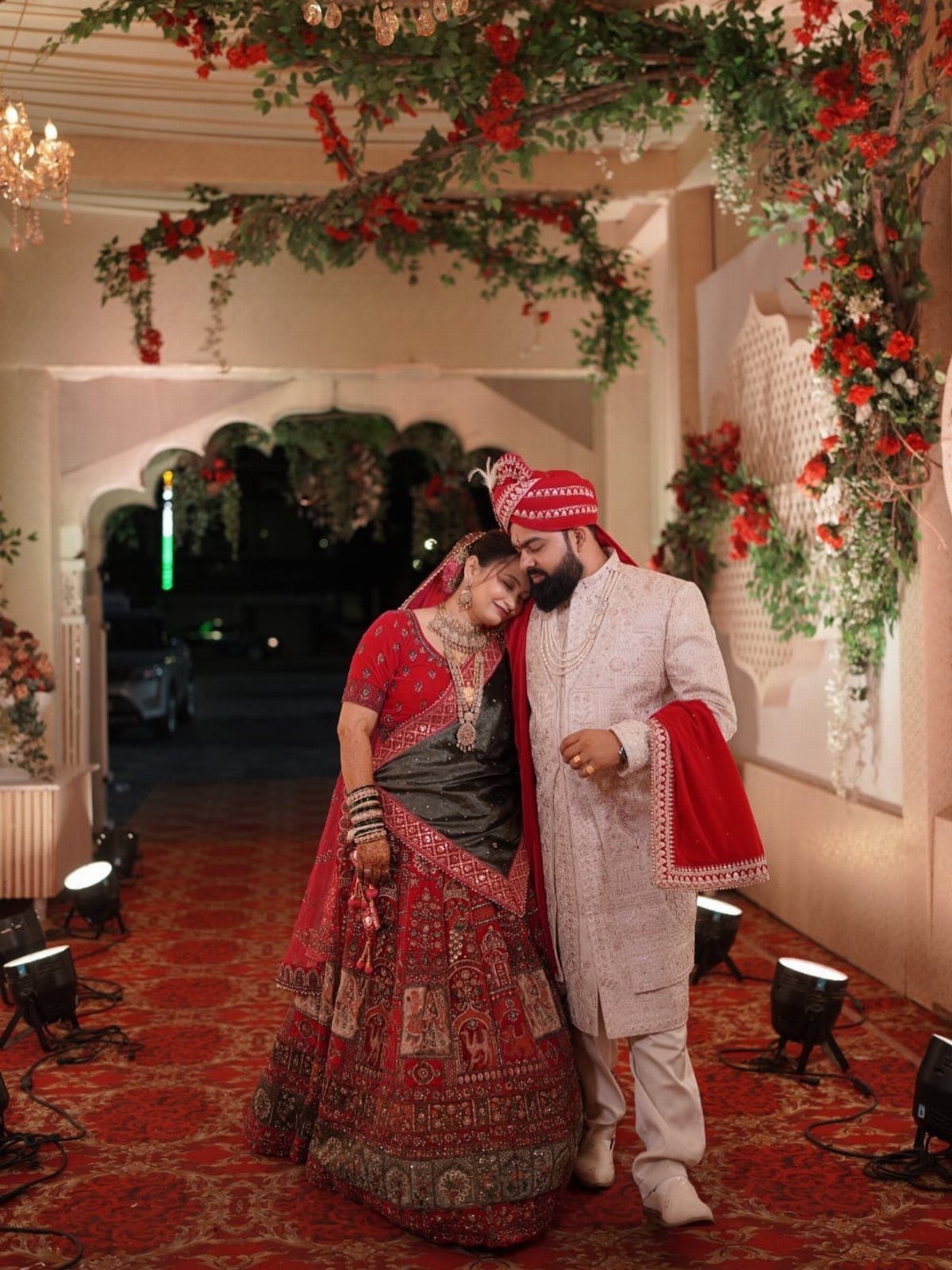
The bride settles behind the groom, her cheek to his shoulder, her arms around his waist. It is simple, which is why it works across every tradition and dress weight.
An ornate arch or floral backdrop behind them adds depth without demanding attention. The shot succeeds from the front, where both faces show, or from the side, where the line of her arm against his chest reads as embrace.
Her head on his shoulder, not his head on hers; the height difference usually decides this, but check in the mirror beforehand.
A heavy lehenga or layered skirt needs arranging so fabric does not bunch at her waist; a helper off-camera smooths it between frames.
13. Stately Architecture Shots
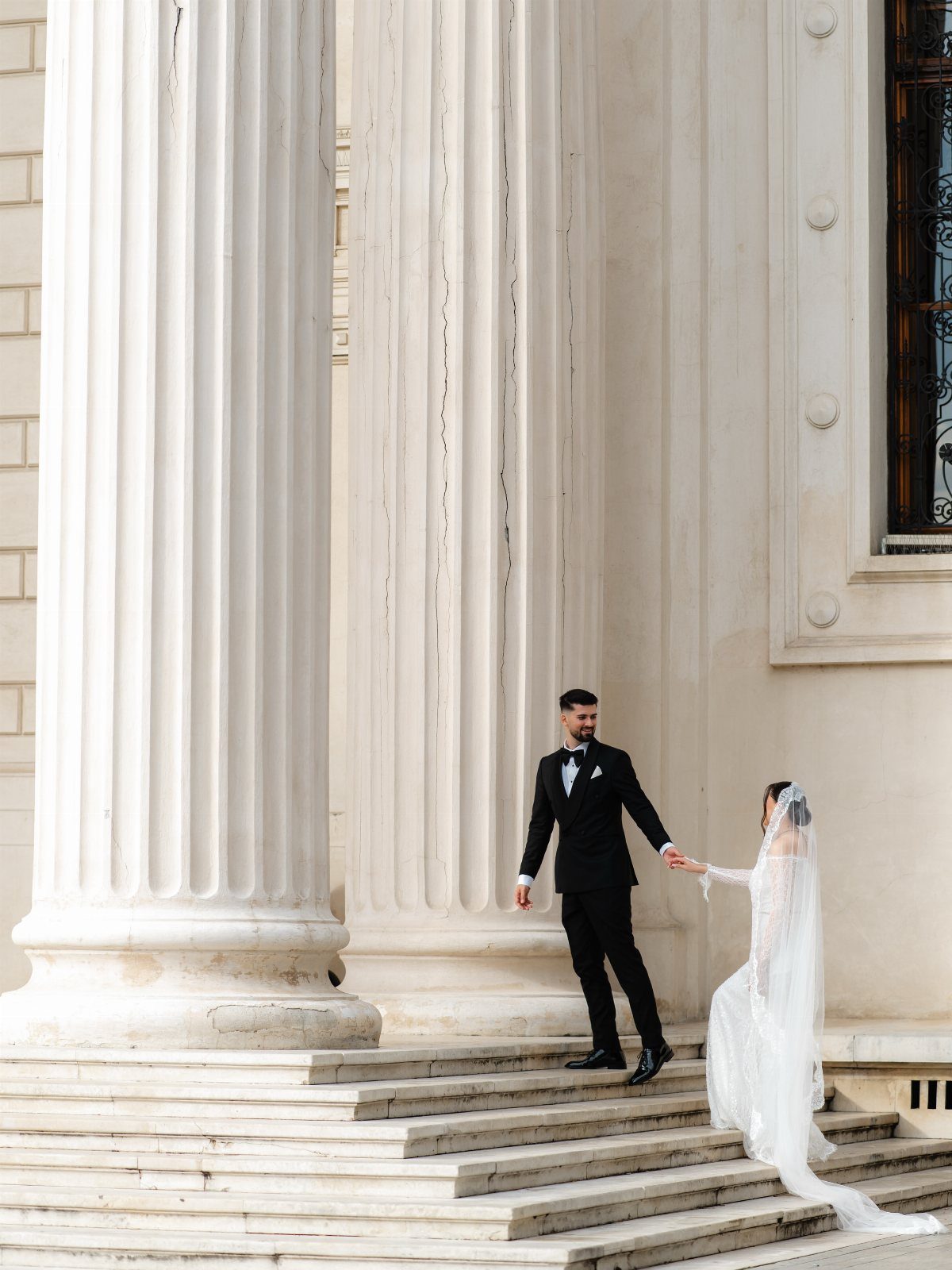
Wide steps and tall columns give a couple the scale their single day deserves. The architecture does the framing; you only need to walk.
I asked my photographer to hang back at the top of the stairs and let us descend naturally. The shot that worked was mid-step, not posed at the landing.
Morning light on marble reads cleaner than afternoon shadows that cut across the faces. A long veil trailing behind adds movement, though wind on open stairs can tangle it.
Check if your venue requires permits for photography on the grounds. Some historic sites charge a fee separate from the event rental.
14. Embracing Under Fireworks
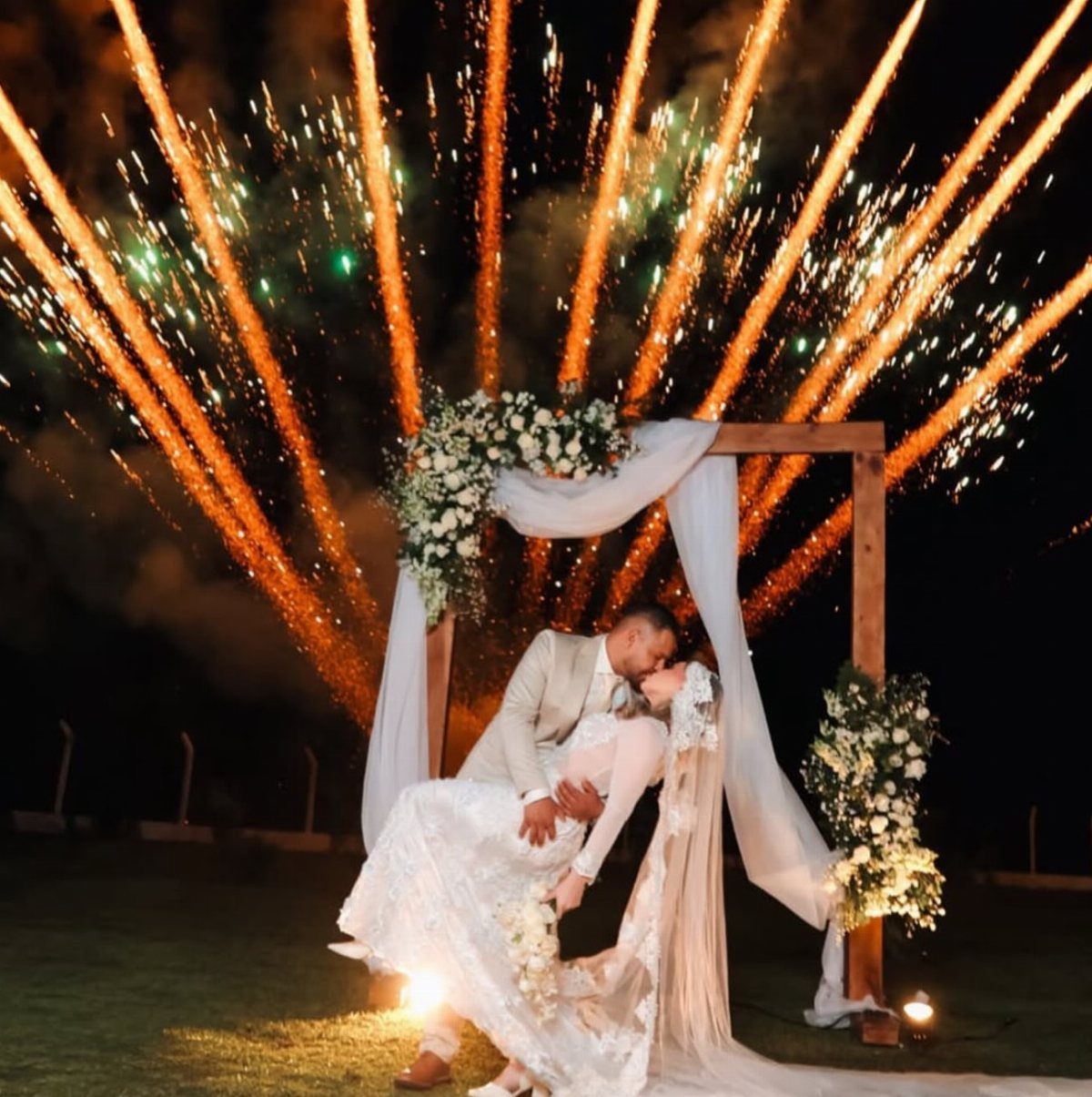
Fireworks behind an embrace need darkness, timing, and a photographer who has done this before. The burst lasts seconds; the couple must already be in place, already close, when the shell opens.
The photographer wants a tripod and a slow enough shutter to catch the trails without losing the couple to blur. A test shot or two with the venue’s permission saves the real thing from guesswork.
Wind direction matters more than you think. Sparks drift, and the bride’s veil or an arch garland can catch what you did not plan for.
15. Confetti Shower Celebration
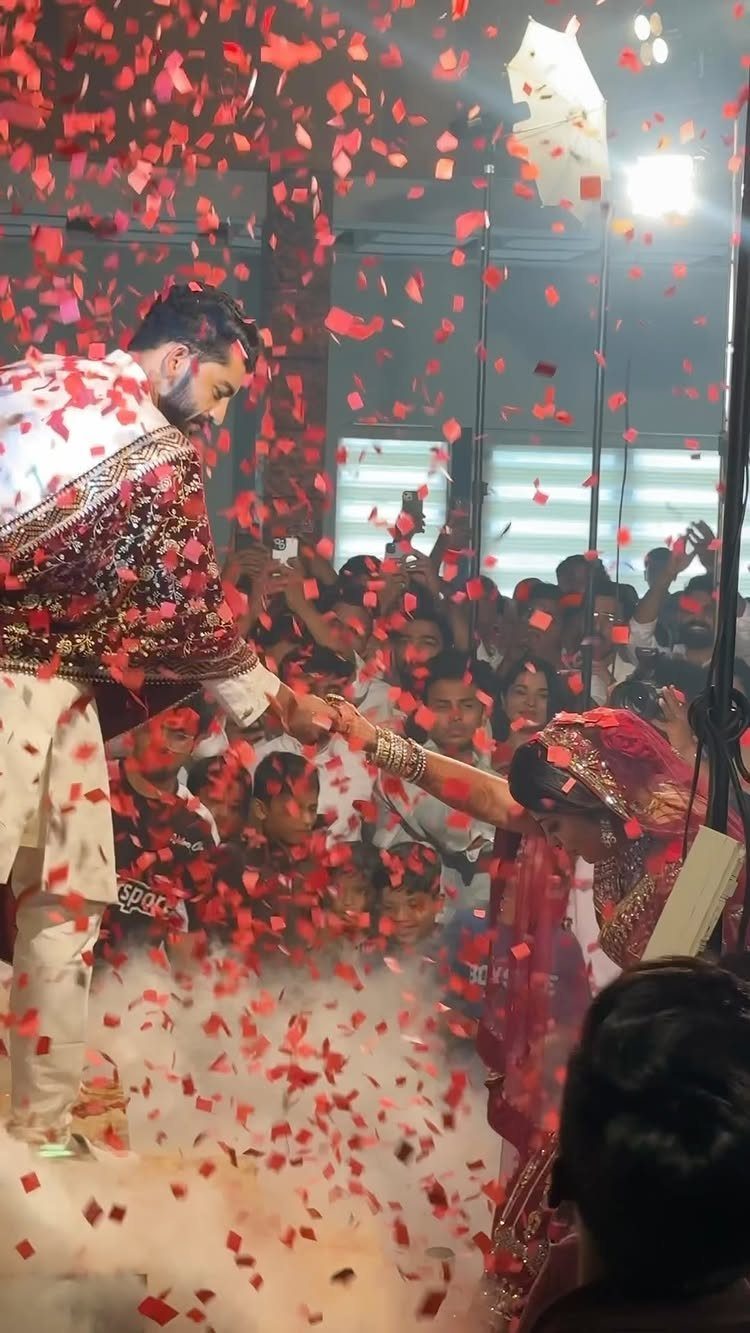
Confetti looks generous only in quantity. A handful thrown by guests reads as accident; a bucket poured from above becomes weather.
Red confetti against traditional dress gives the shot its color story, but any bright paper works if it contrasts with what you wear.
Biodegradable rice paper costs more than plastic and is worth it for indoor venues. Low smoke on the floor needs a machine and someone to time it; ask if your DJ handles effects or if you rent separately.
Guests throwing from the sides often miss the couple and hit each other. Overhead release, from a balcony or rigged container, centers the shower where the camera waits.
16. Playful Jump on the Bed
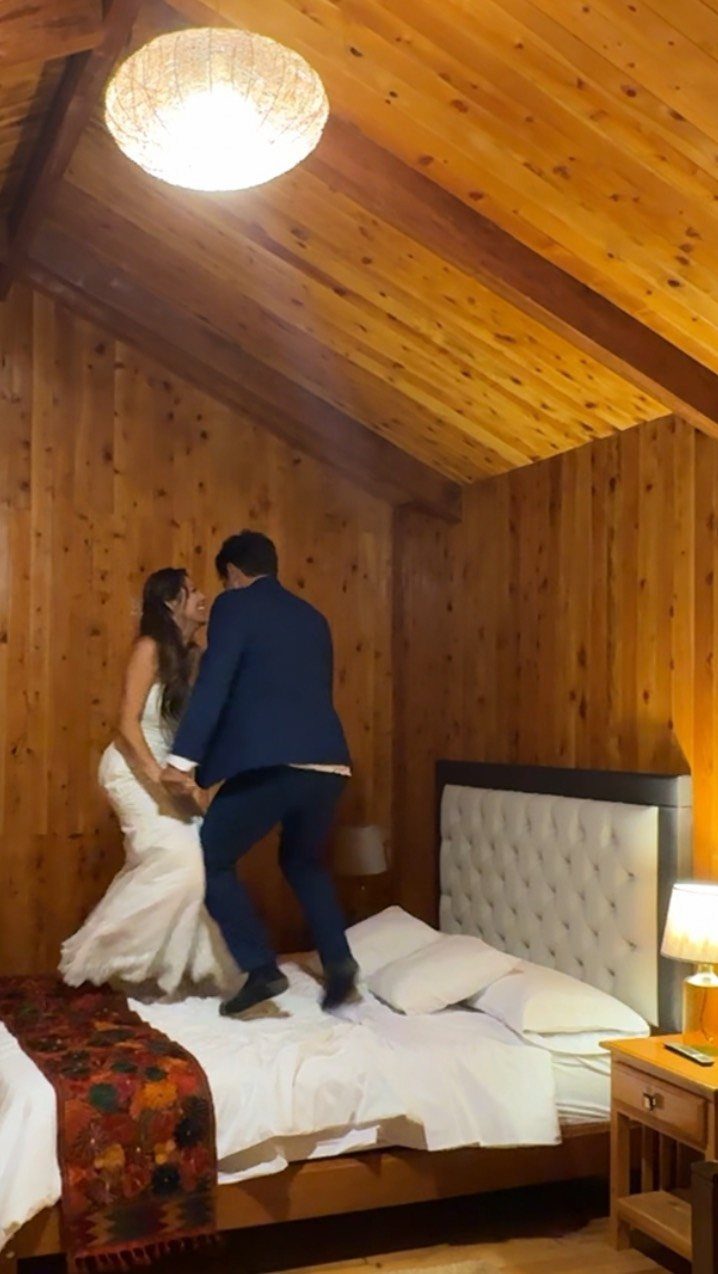
A bed in a wood-paneled room with ceiling height to spare gives the jump a frame it would lack in a standard hotel box.
The couple lands together or not at all; separate timing means one face blurred, one sharp, and no usable shot.
Hold hands through the jump.
The gesture keeps you connected in the air and steadies the landing. A four-poster or canopy bed adds vertical lines that echo the vaulted ceiling; a plain frame works if the wood grain carries the texture.
Remove the decorative pillows first. They slide, they launch, they become projectiles.
17. Cheek Kiss Pose
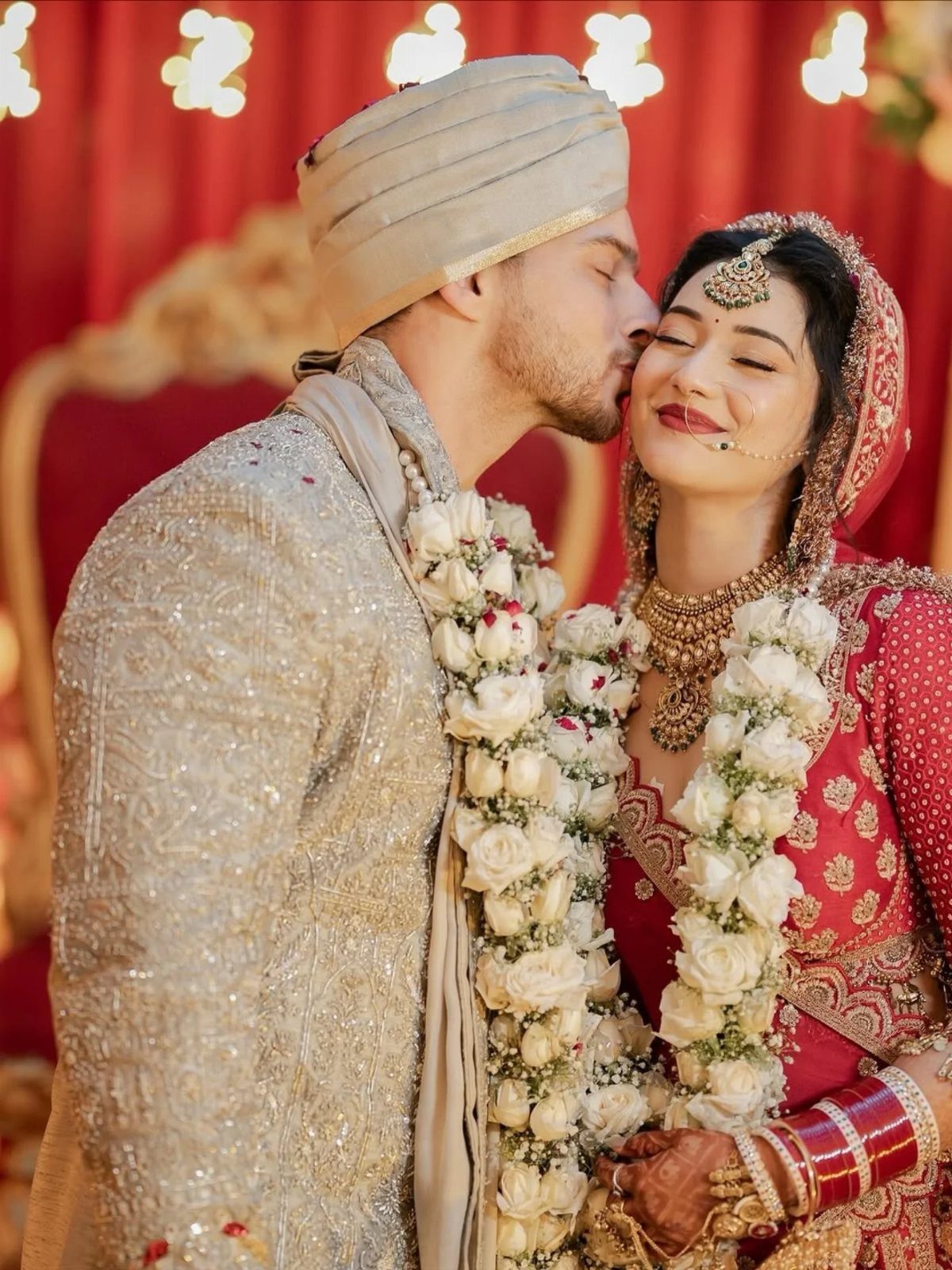
A cheek kiss sidesteps the full press of lips when one or both partners prefer restraint in front of a camera. The groom leans in, the bride receives it smiling, and the pose holds without the tension of performance.
Traditional dress and garlands give the shot context that Western formalwear would not; the color and weight of the clothing become part of the story. Warm backdrop light flatters skin tones and separates the couple from shadow.
The kiss lands on the cheek, not the air beside it.
A miss reads as awkward; a connection, even light, reads as intention. Practice the angle in a mirror if height difference makes the approach steep.
18. Detailed Henna and Attire Shot
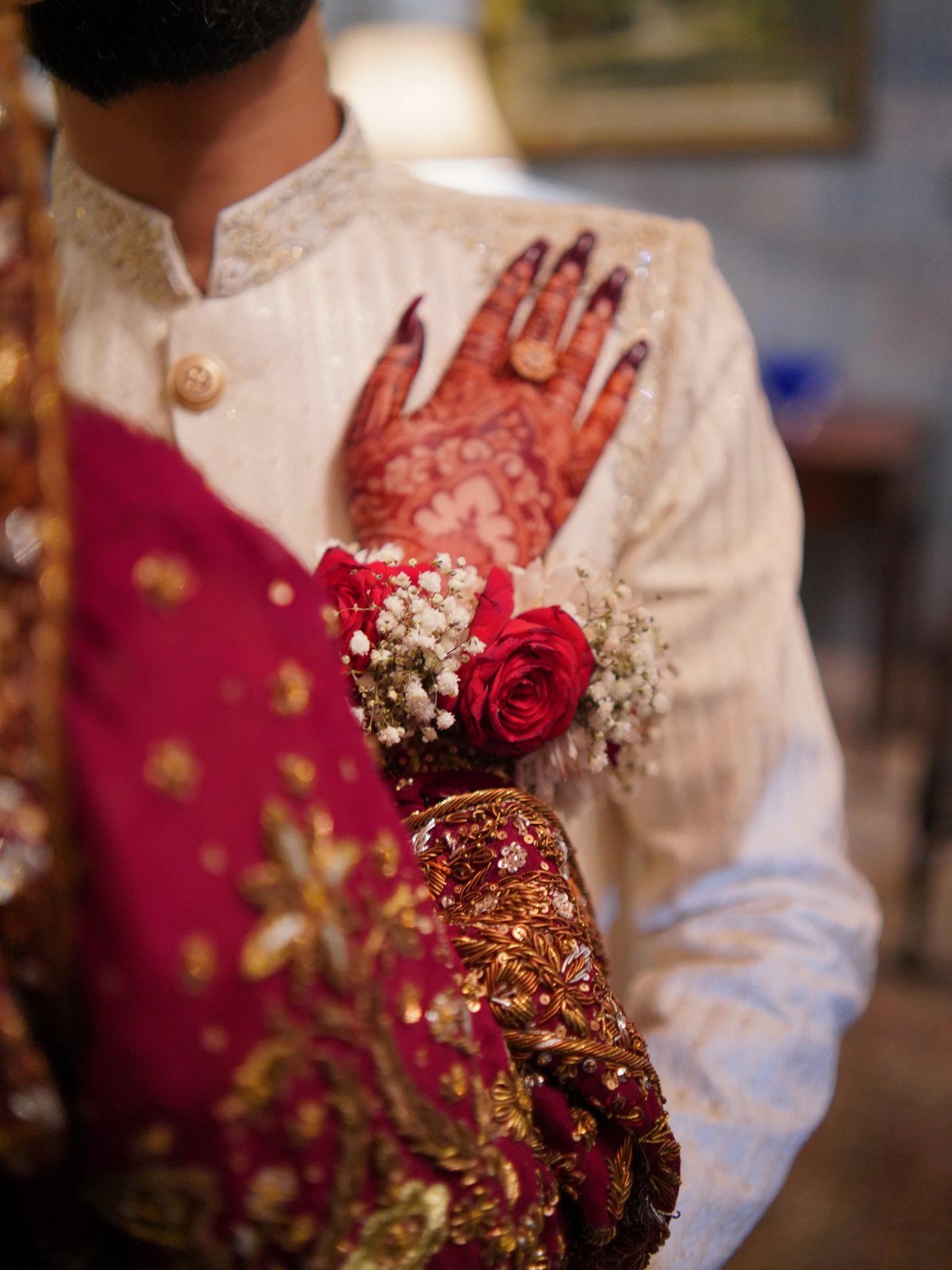
Henna patterns take hours to apply and deserve their own frame. A hand on the groom’s chest places the design against the texture of his embroidery, two traditions meeting in one close-up.
The bride’s wrist adornment, visible in red against cream, gives the shot its color contrast; coordinate with the groom’s sherwani so the tones do not clash.
Natural light shows the henna’s depth better than flash, which can flatten the stain to orange.
This shot works as part of a sequence: the hand alone, then the hand in place, then the couple at full length. Ask your photographer to build it in, not treat it as an afterthought.
19. Groom Tearing Up
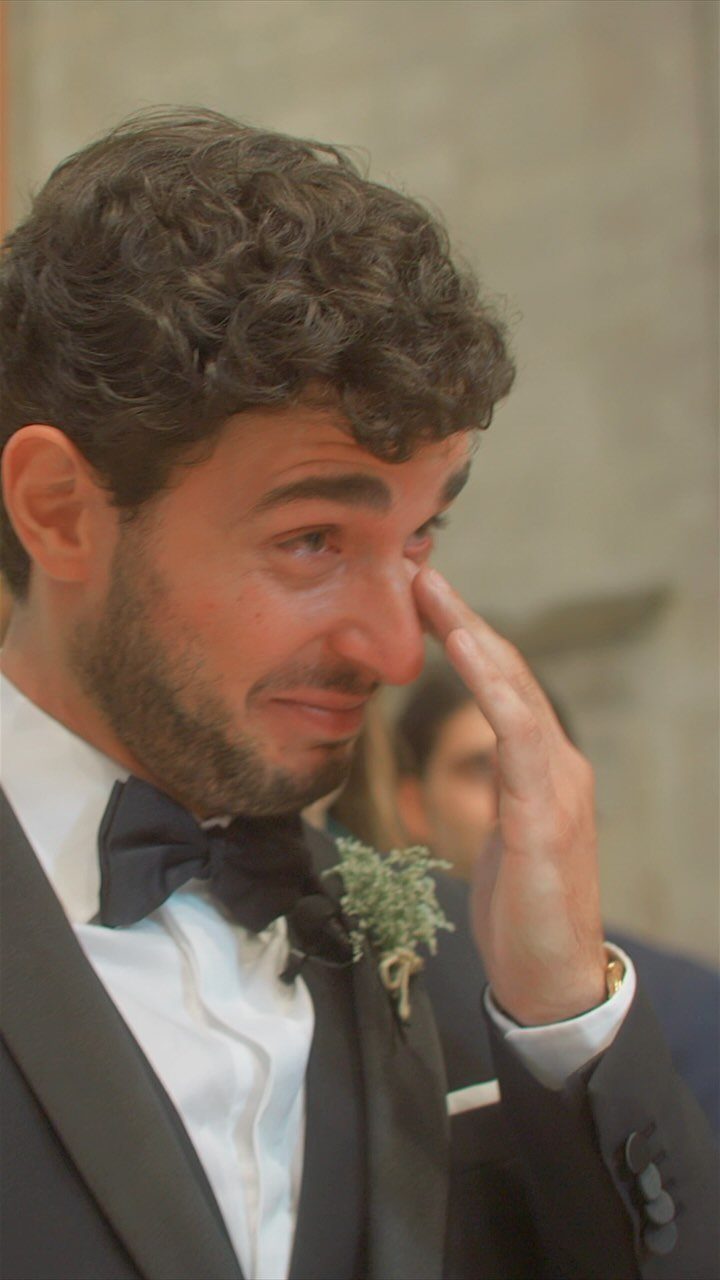
The groom’s face in a moment he did not plan to show is the one guests remember. A tear wiped at the cheek, caught before he turns away, holds more than any posed smile.
The photographer must know this is coming.
Ceremony lighting varies; a spot meter reading on the face saves the exposure when everything else goes dark. A long lens keeps the camera out of his peripheral vision, which is what lets the moment stay real.
This shot belongs in the album only if he is a man who cries. Forcing it reads as performance, and guests notice.
20. Tree-Lined Garden Path Embrace
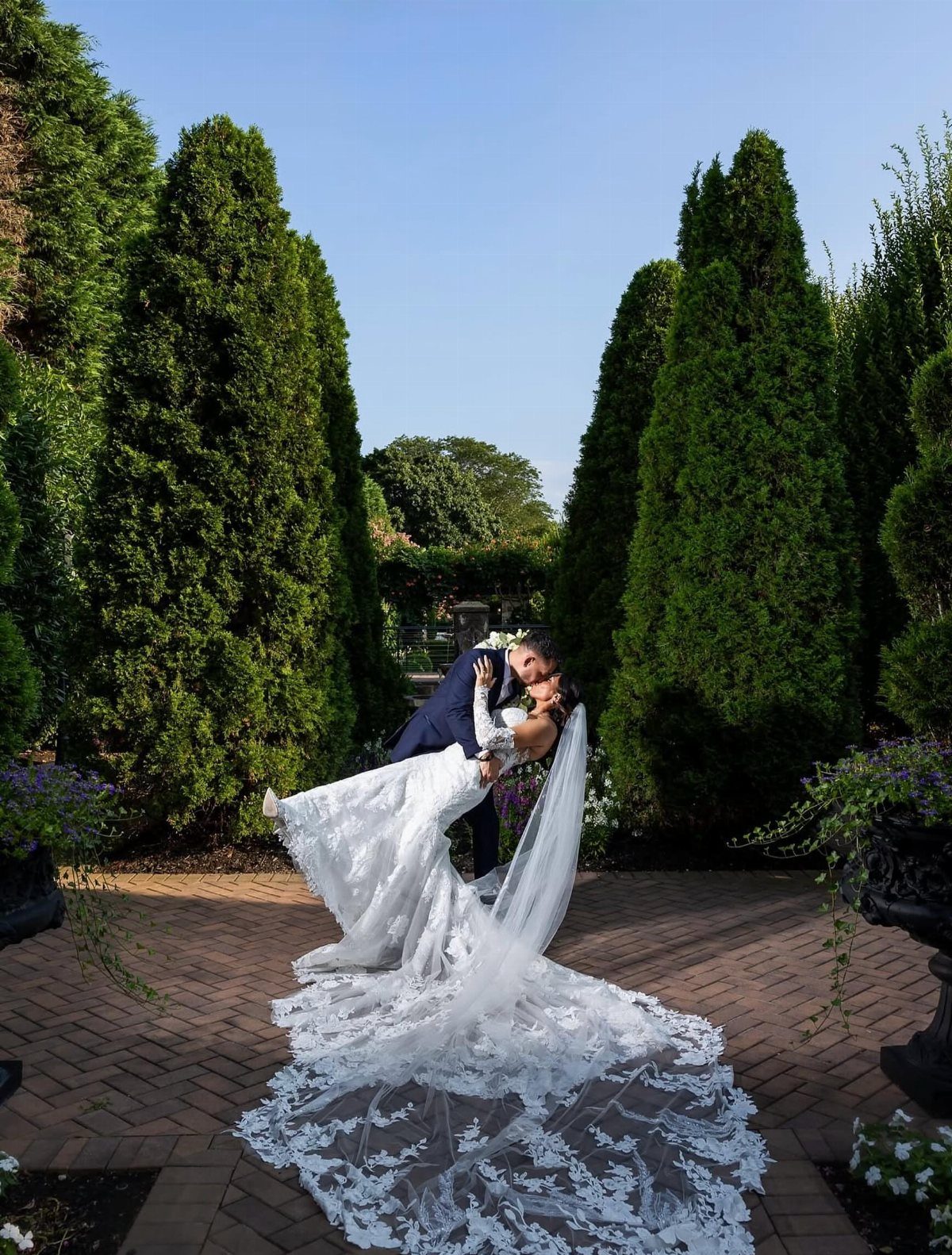
A path framed by identical trees gives a couple the symmetry that human bodies alone rarely achieve. The brick underfoot and the vertical lines draw the eye to the center, where the couple interrupts the pattern.
The groom’s arm at the bride’s waist, her back arching into the dip, works only if the path is wide enough for the full sweep of her skirt.
A narrow walkway truncates the pose. Morning light on evergreens reads as color; afternoon flattens them to shadow.
Check the path for moss or slick brick after rain. A dip on a surface that shifts ends differently than planned.
21. Walking Away Together
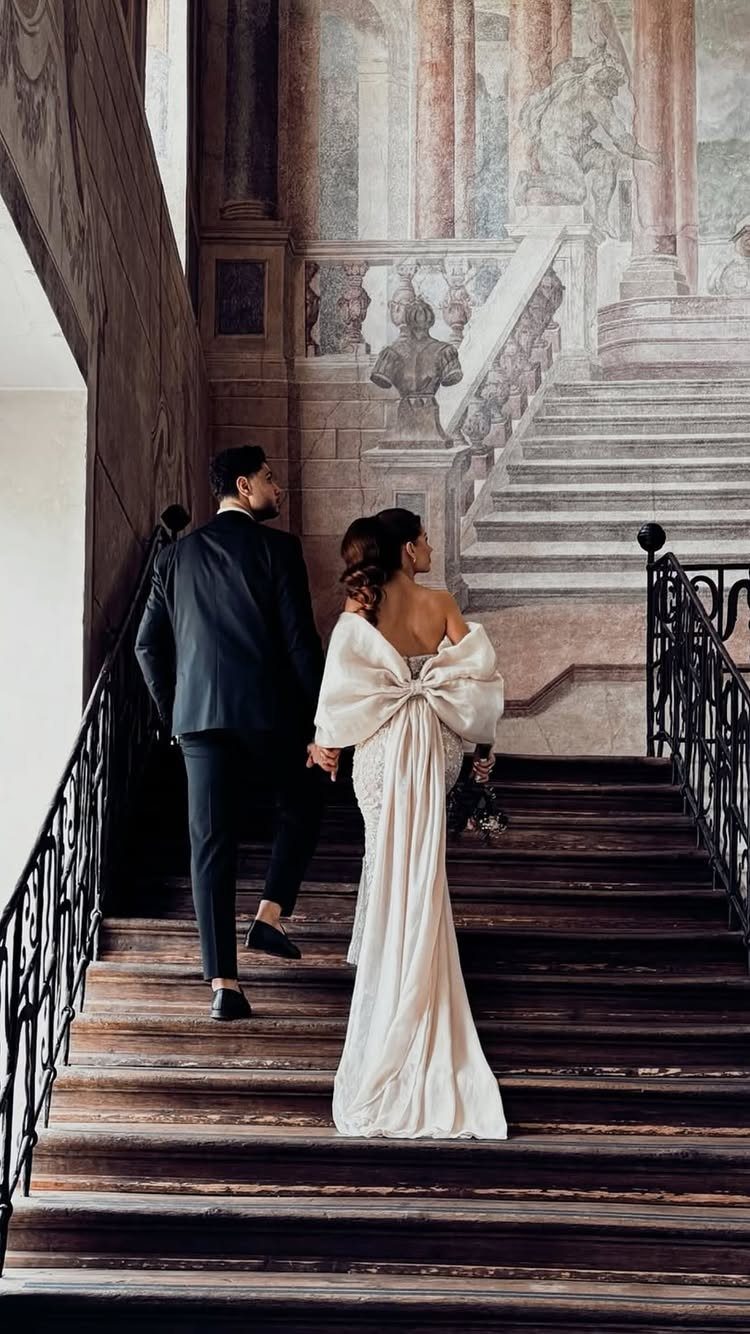
The last frame of the day carries the weight of everything that came before. A couple ascending stairs, backs to the camera, lets the viewer stay at the party while the couple leaves it.
The bride’s bow at her waist, visible from behind, gives the shot its detail; without it, two dark shapes merge into one.
A mural or painted wall ahead of them adds depth that plain plaster would lack. The photographer hangs back, letting the distance grow, or calls for a look back that splits the difference between departure and portrait.
A car send-off works the same way, the vehicle’s curve replacing the staircase’s line. Either version ends the album with motion, not a pose.
22. Silhouettes Against Backdrops
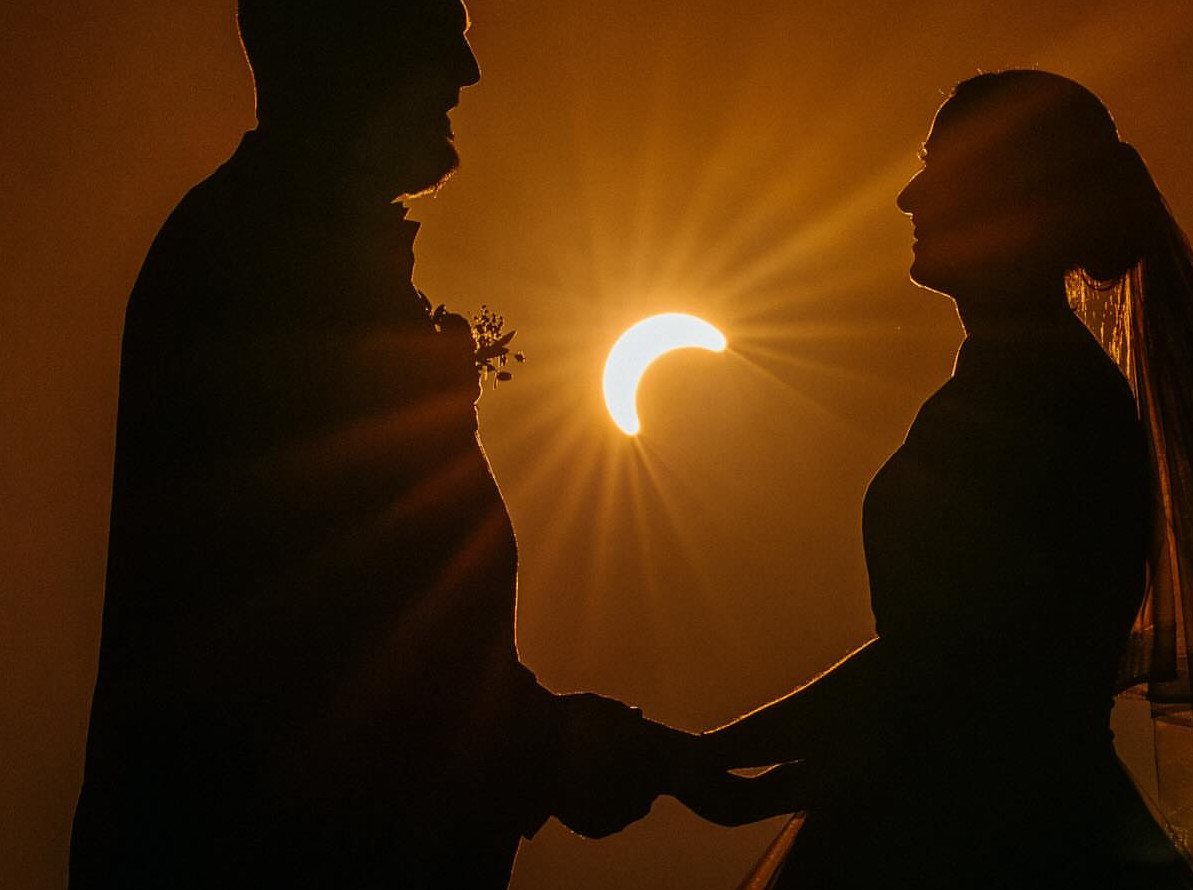
A couple reduced to shape against a bright sky trades faces for gesture. A sunset gives the same glow on any evening you wait for it.
The pose must be readable in outline.
A kiss pressed flat reads as a single head; profiles separated by an inch keep the couple distinct. Hands joined at the center anchor the composition.
Exposure is for the sky, not the couple, which means the photographer meters off the brightest region and lets the figures fall to black. A tripod holds the frame steady through the slow shutter a dark foreground demands.
23. The Lean and Kiss
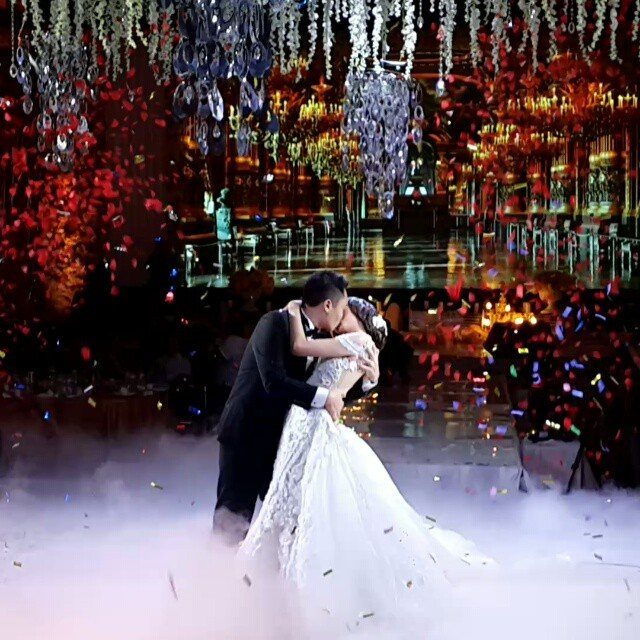
A couple tilting toward each other across empty space makes the gap part of the story. The lean creates tension the kiss then resolves.
Low fog on the floor, confetti falling, chandeliers overhead; these are choices a venue offers or a couple rents. The architecture matters more than the effects.
The kiss lands at the apex of the lean. Too soon, and the bodies straighten; too late, and the pose collapses under its own wait.
24. The Modern Portrait
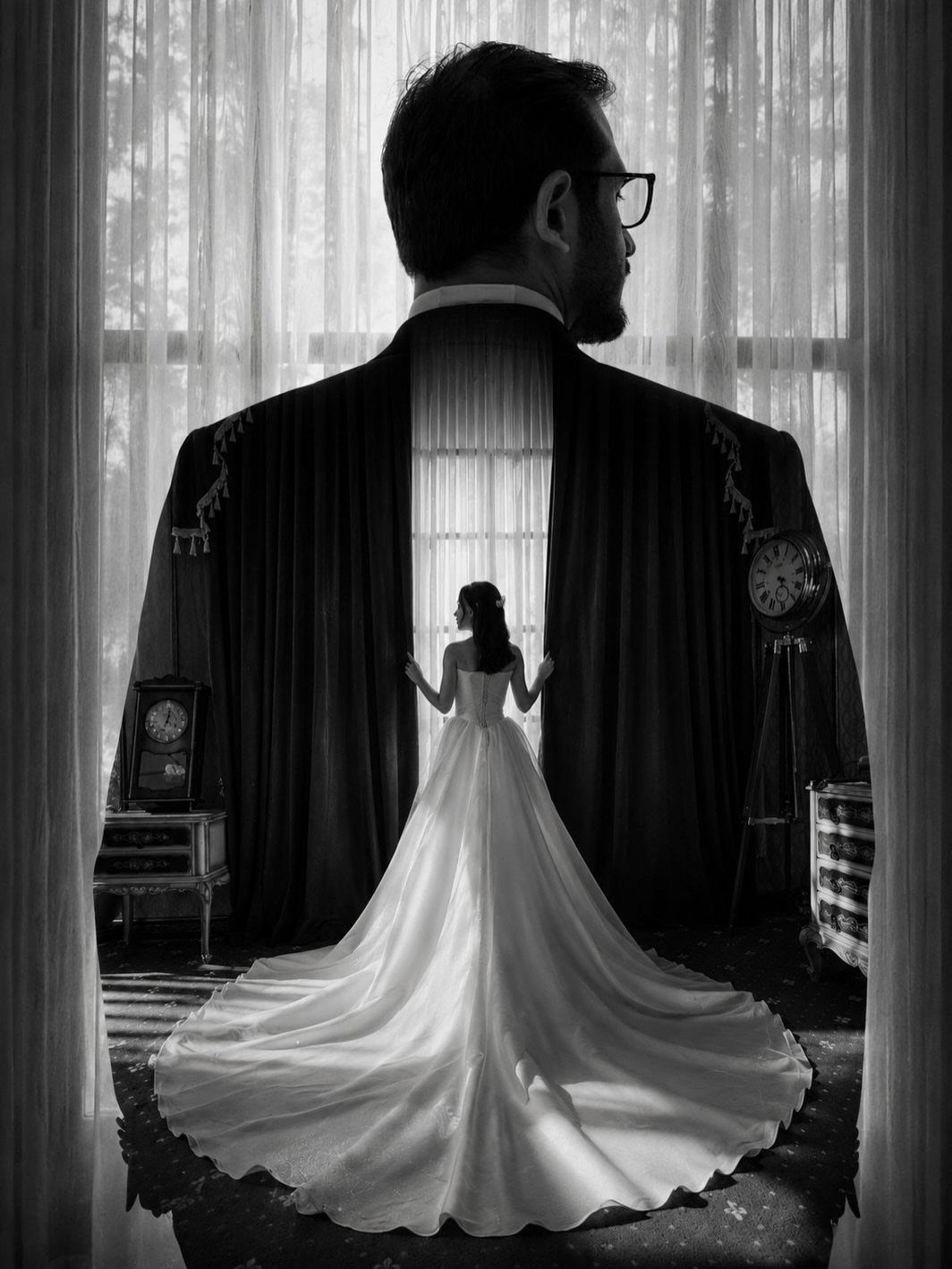
A double exposure layers two moments into one frame: the bride at a window, the groom’s profile as the container she fills. The technique is digital now, not darkroom, but the effect keeps its strangeness.
Black and white lets the overlap read as design rather than mistake. The bride’s gown against curtains, the groom’s glasses catching light; these details must be planned in sequence, not discovered after.
The photographer builds the image in camera or in post, and the couple needs to know which, since only one allows revision.
More traditional portraits have their place. This one belongs where the album needs interruption, a page that stops the thumb.
25. Candid Snap
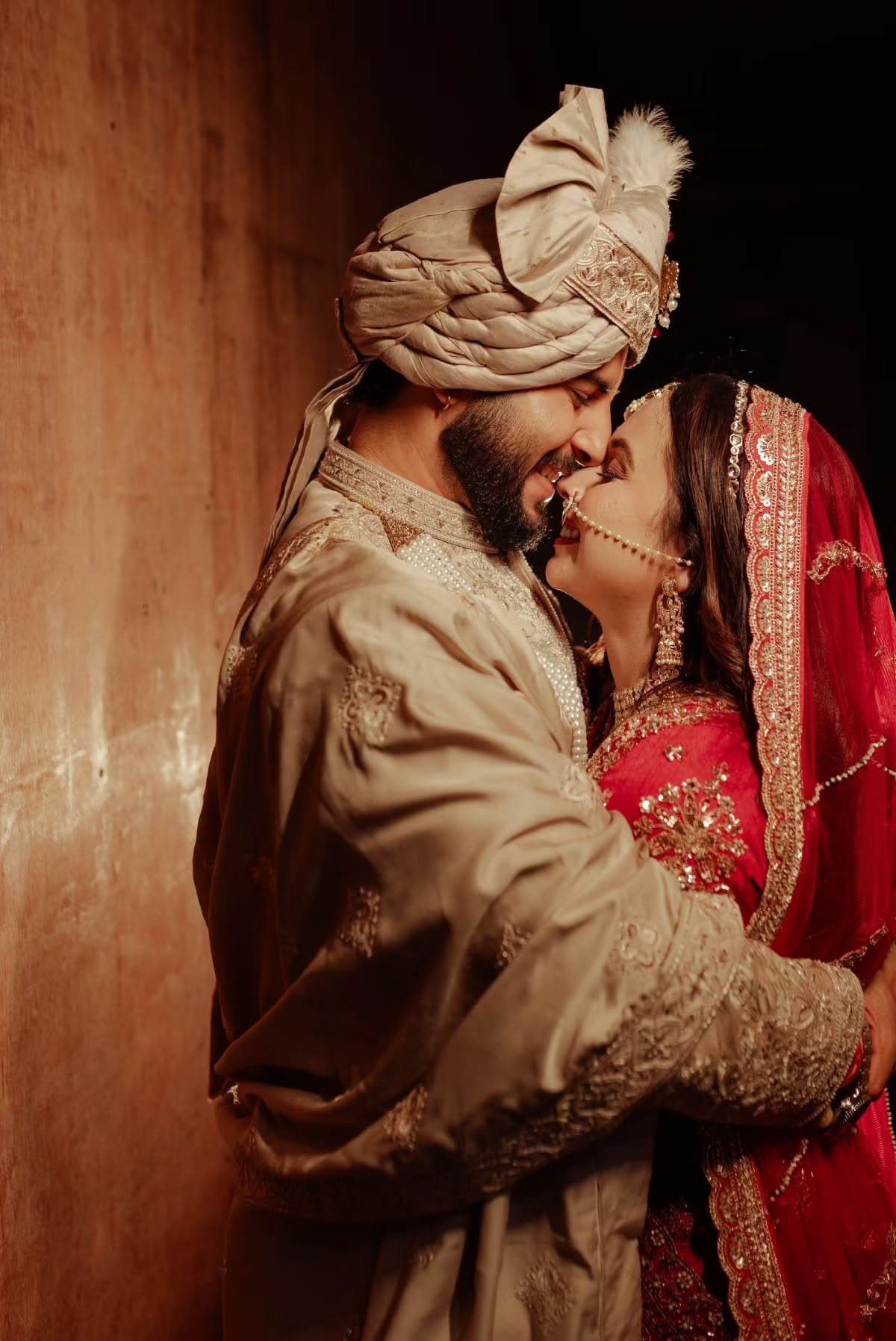
The best candid shots happen when the couple is busy with each other and the photographer has gone quiet.
A laugh mid-sentence, a hand raised to brush hair away, the second before a kiss lands; these read as memory, not production.
The photographer needs permission to be invisible. A long lens from across the room, a second shooter at the edge of the dance floor, these are the tools, but the couple must agree not to perform for them.
I told mine to shoot the guests during dinner and catch us between bites.
Individual candids belong in the same ask: the bride after the dress is on, the groom with his cufflinks half-fastened. These pair with the couple shots in the album.
The ones you do not remember being taken become the ones you keep.
Importance of Wedding Photography
A wedding album ages differently than memory. A mix of black-and-white ceremony shots and color reception photos keeps an album from feeling monotonous.
The vows in particular need that timeless treatment: standing at the altar, holding hands, meeting eyes while trying not to cry, the moment plays over in your mind for decades. Having it on film matters.
A ceremony passes quickly, and a photographer working it well will shoot through the whole thing without pause.
Ask them to treat a few of those as monochrome. The contrast between the formal, timeless vows and the saturated color of everything after gives the day a shape memory alone cannot provide.
You spend months and months planning your wedding day making sure everything is perfect. And although your wedding is only one day, the photos are what you’ll cherish forever.
Communicating with Your Photographer
The meeting with your photographer is where you name what you want, not where you hope they guess.
Tell them you want candid close-ups throughout: before the ceremony, after, during the reception. A good photographer already watches for these, but saying it aloud confirms they will look for the unguarded moments you cannot stage.
Ask for individual shots too. Ask your photographer for a shot list of must-have bride and groom photos—these are not vanity; they are the details you forget you worried about.
Mixing Traditional and Candid Shots
Every couple gets the traditional poses: bride’s family, groom’s family, both families together. These are expected, and they are fine.
The candid shots carry the day, though. The ones caught while you are hugging, kissing, smiling, being goofy, not performing for the lens.
A lounge session works for this. The relaxed posture brings a different sophistication than standing in formation.
Build the album with both. The formal shots mark who was there; the candid ones mark how it felt.
Choosing the Right Locations
The background either helps or fights you.
Scout any location before the couple enters: clutter, color casts, and foot traffic through the background all pull attention where it does not belong. The location needs to match the style you chose, not just look pretty on its own.
Use architectural lines, paths, or rows of seats to lead the eye toward the subject you want dominant, usually the face that is carrying the expression.
A background matching her dress color keeps attention there; busy patterns anywhere compete with what matters.
Nature gives expansiveness if you use it with intention. A field of tulips adds flickers of color around a traditional pose; wide open space behind a dramatic stance gives the image room to breathe.
The couple should enjoy the shooting, not endure it, so pick places where they can relax into being themselves.
Frequently Asked Questions
Who should the bride and groom take pictures with?
The couple should include family, wedding party, and close friends. Start with the bride’s family, the groom’s family, and both families together, then build outward to wedding party and close friends.
Candid shots of hugging, kissing, or being goofy with these groups usually capture the day better than posed lineups alone.
How long for bride and groom photos?
Schedule the first look for the hour before the ceremony, when makeup is still fresh and you have time to reset if anything runs late. For the full set of couple portraits, 30 minutes to an hour is typical.
What are the bride and groom photos called?
They are often referred to as wedding portraits or couple portraits.
"Couples portraits" and "bride and groom photos" mean the same thing; photographers use both for shots like the first look, the first kiss, and the first dance. Some photographers also call unposed shots candid close-ups.
What makes a great groom photo?
The best groom shots catch him off guard, a tear at the cheek before he turns away or a laugh he did not mean to let out.
The photographer needs a long lens to stay out of his peripheral vision and a spot meter reading for ceremony lighting that shifts fast.
Skip the staged tear if he is not a man who cries; a forced moment reads as performance and ages badly in the album.